
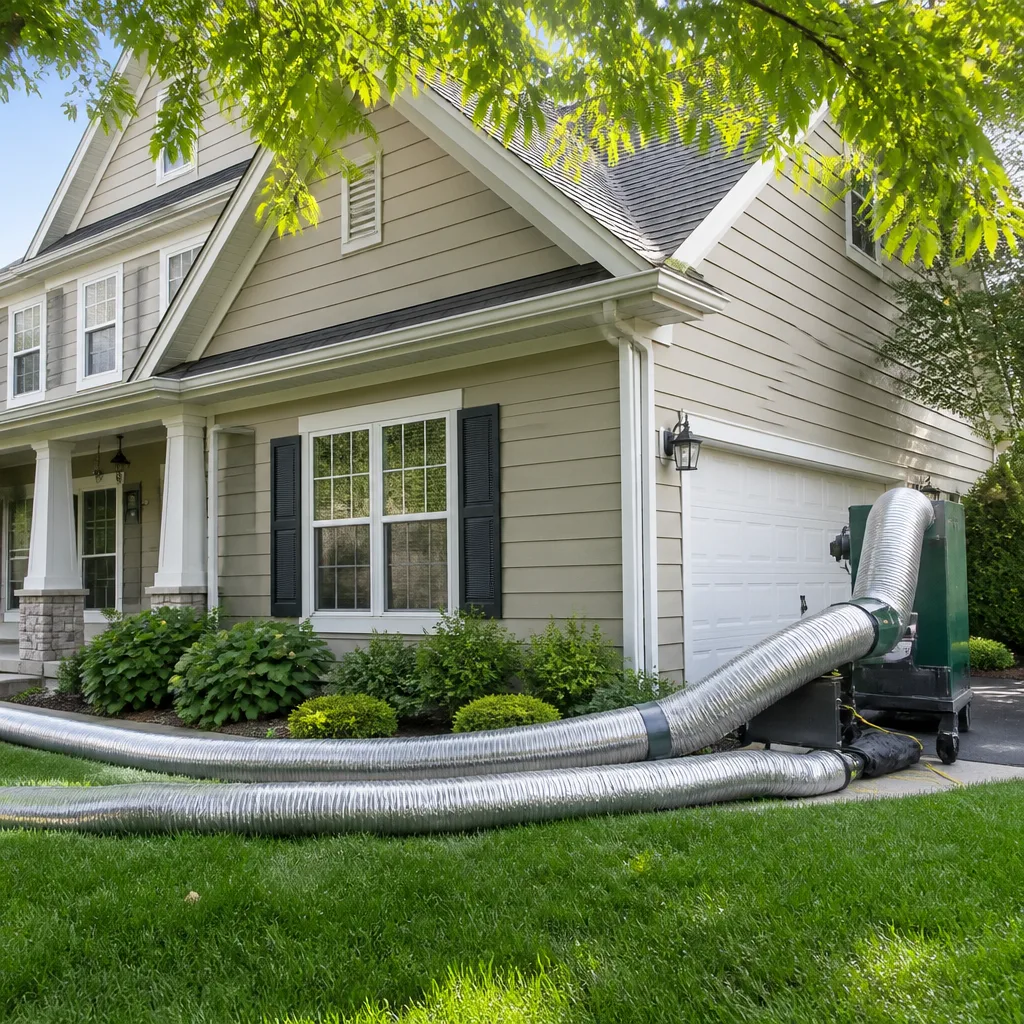
 Whole-home duct cleaning
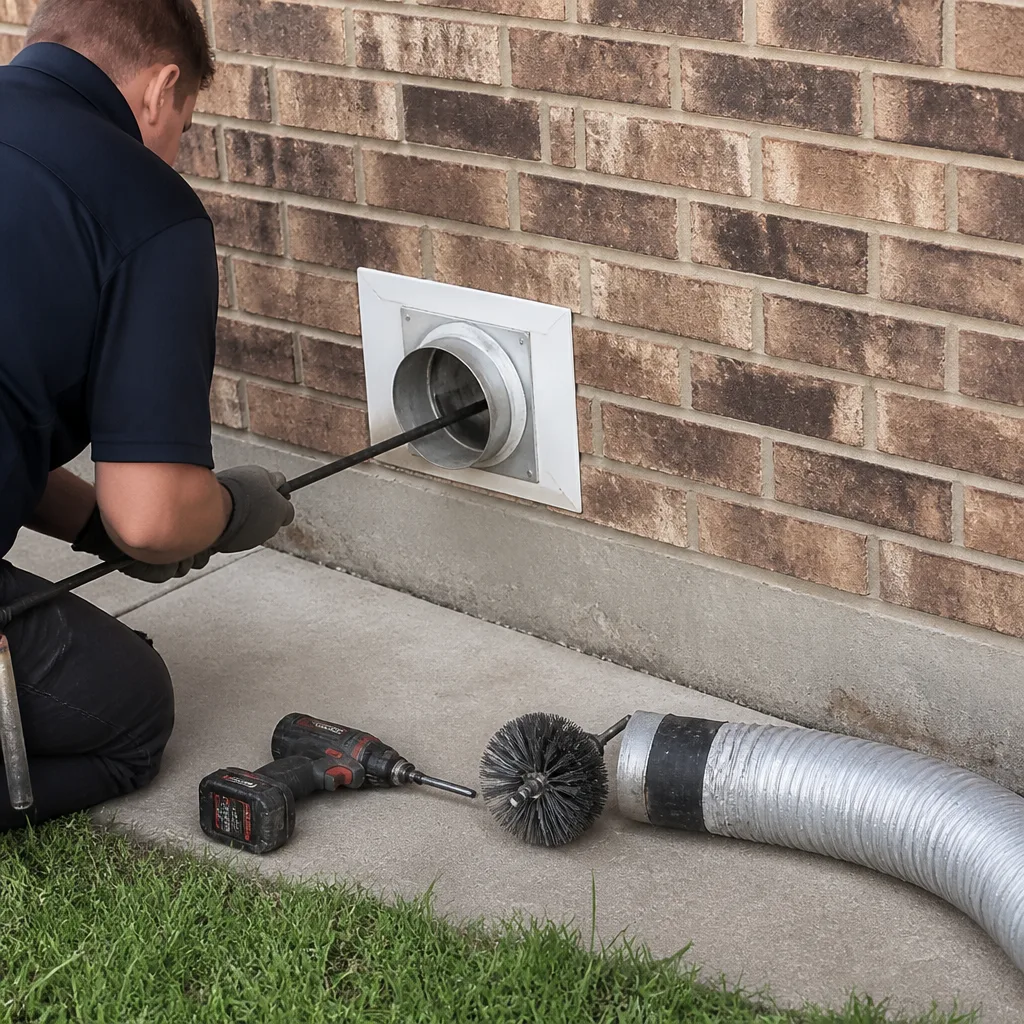
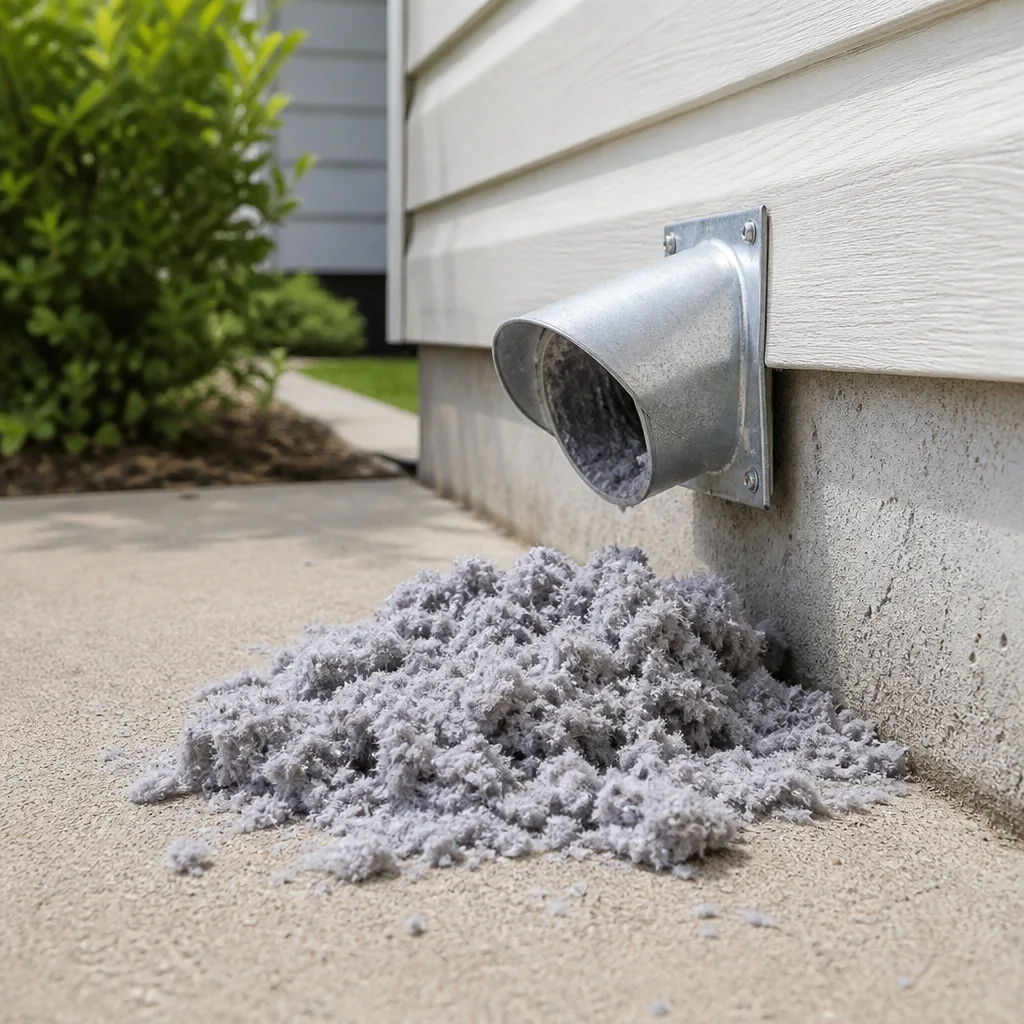 Dryer vent cleaning
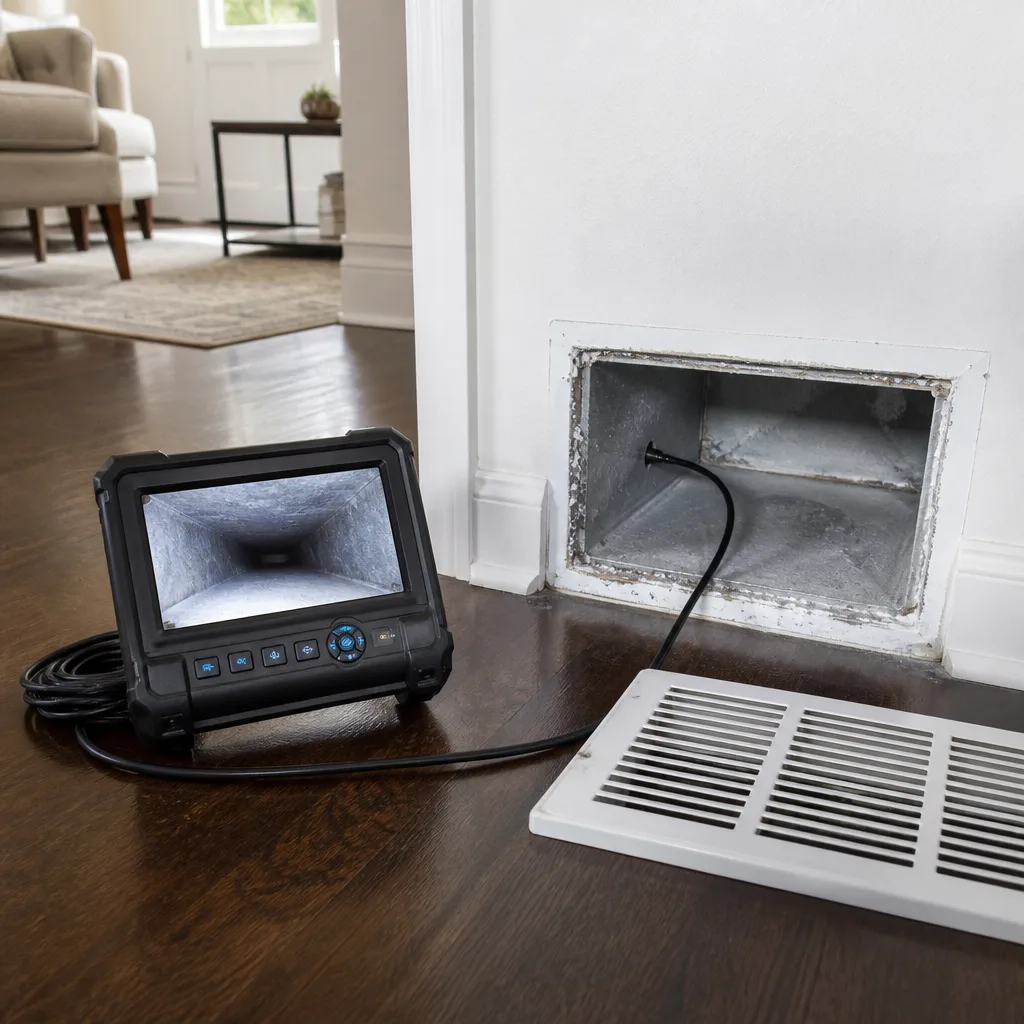 Camera inspection
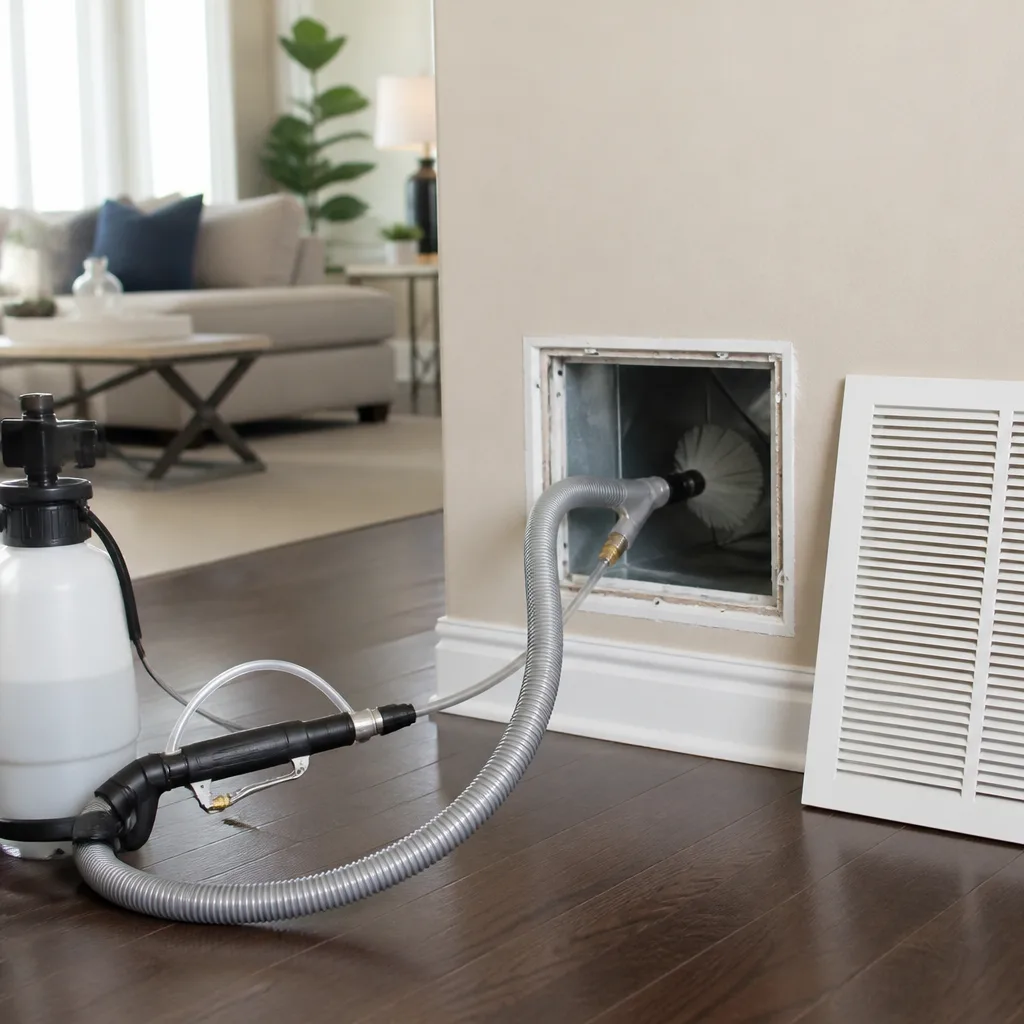 Sanitizing & deodorizing
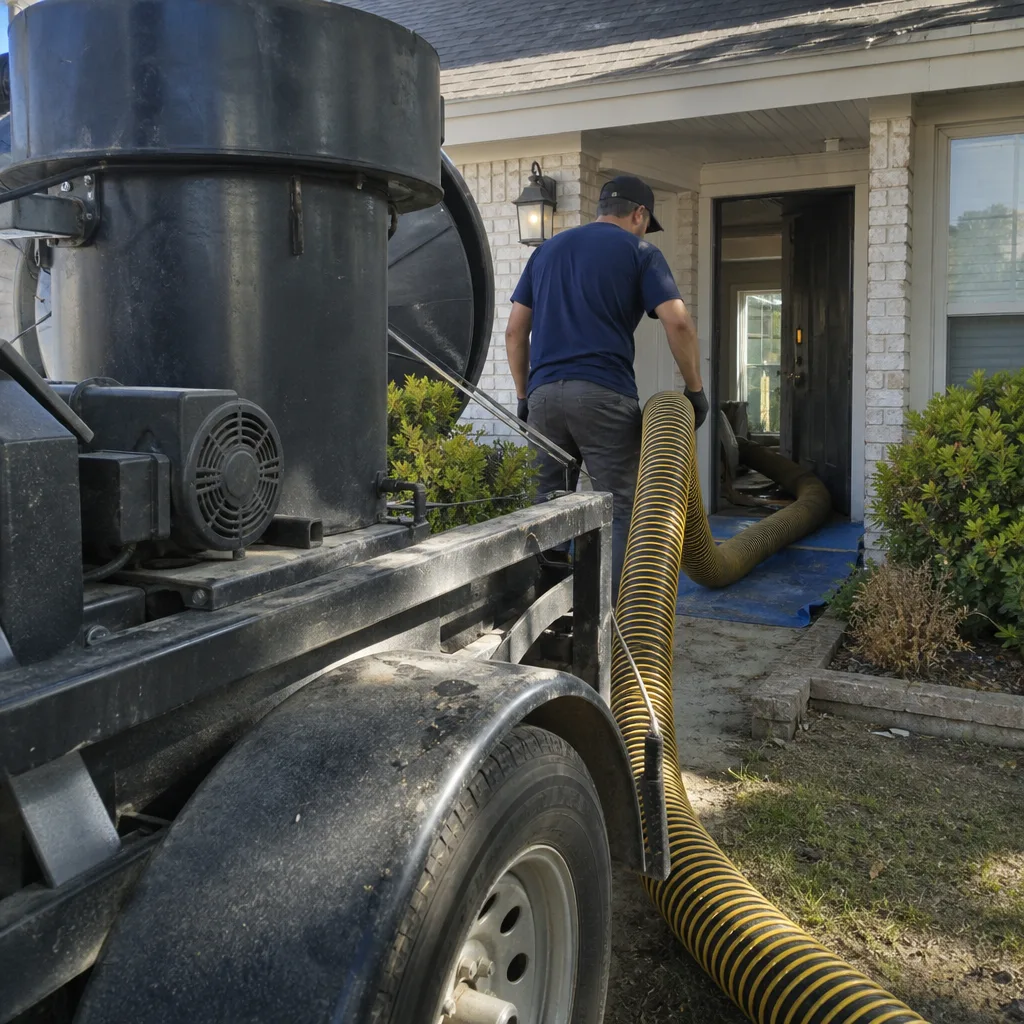
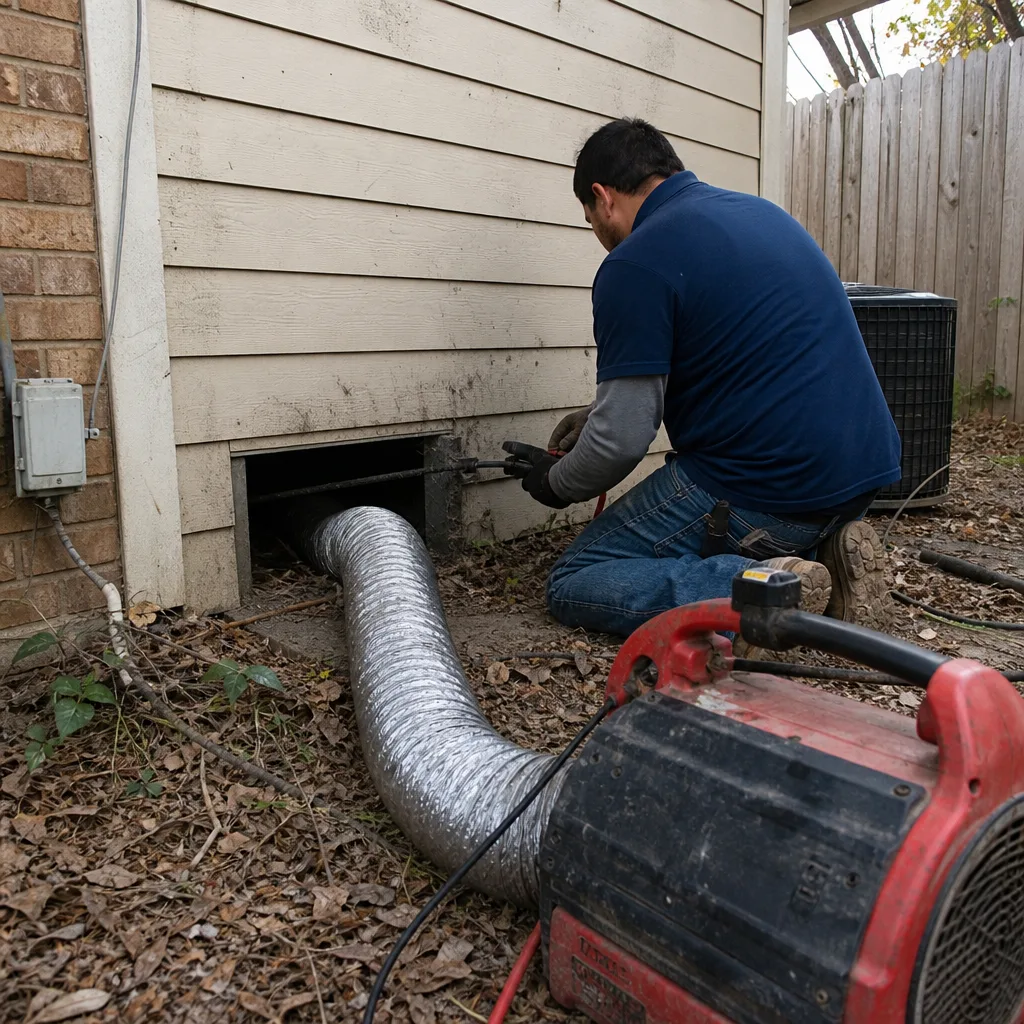
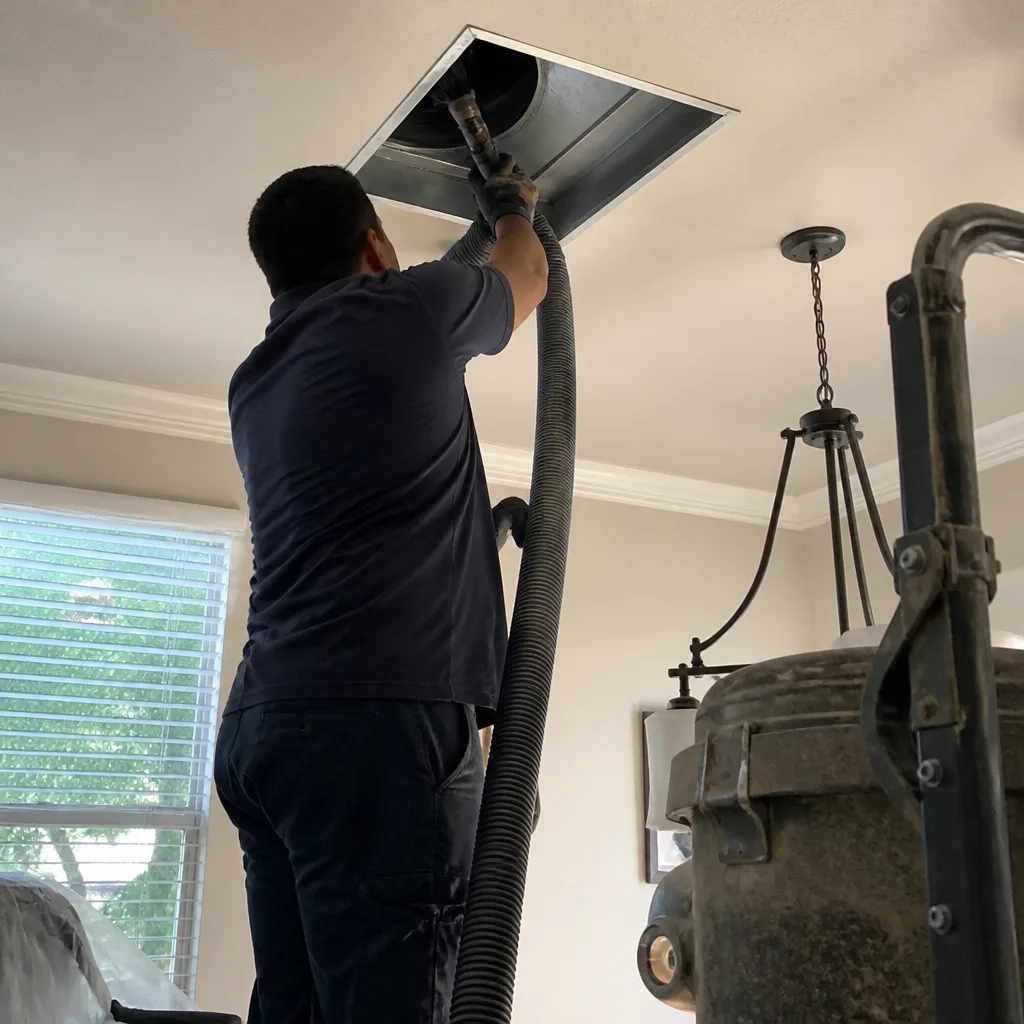
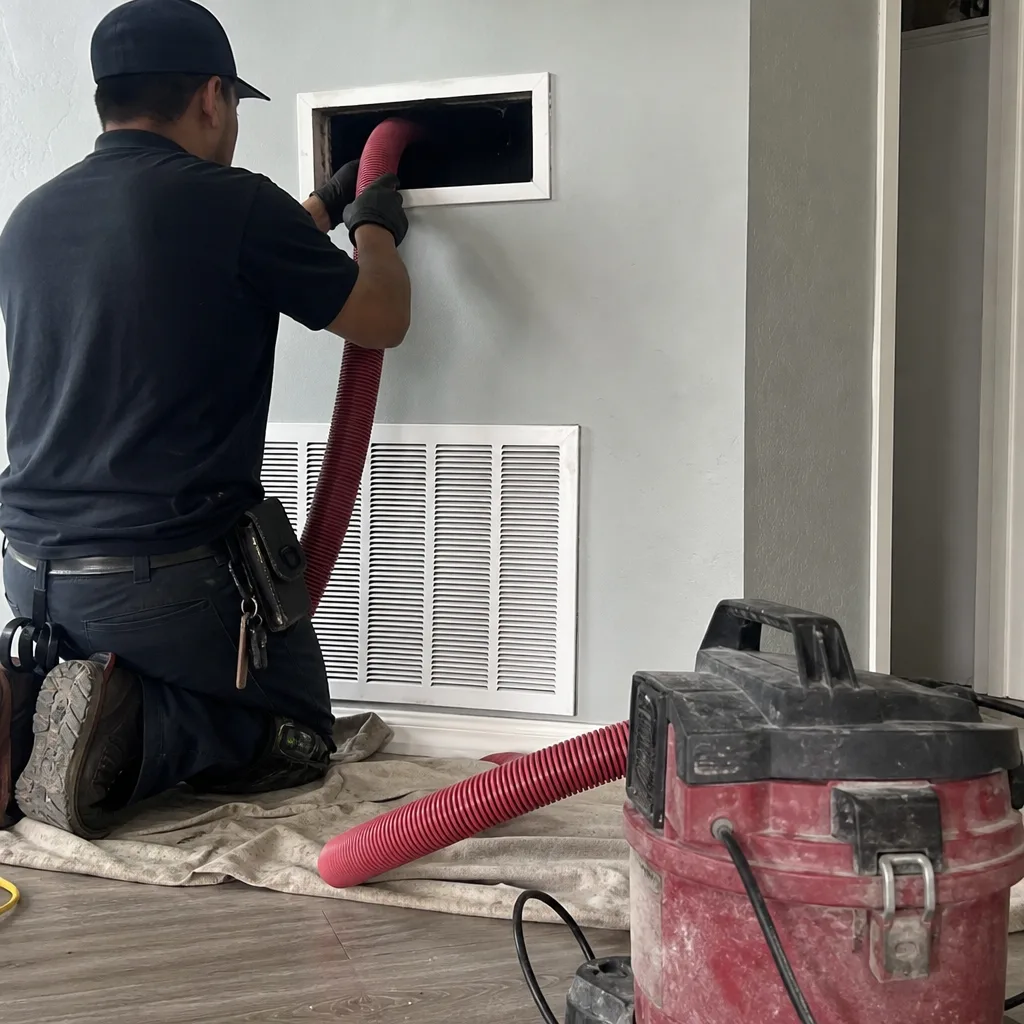
Whole-system duct and dryer vent check with before-and-after photos - you see exactly what came out of your vents
That "$99 whole-house special" is a bait ad - the real number appears once they are in your hallway, or the "clean" is a shop-vac at the register. We photograph the inside of your ducts before and after instead.
Honeywell Register & Grille Cleaning: The Fort Worth Owner’s Guide
Honeywell register and grille cleaning in Fort Worth typically runs between $45 and $95 per vent when done as part of a full duct cleaning, depending on how much buildup has accumulated and whether the registers need removal for deep restoration. We stock Honeywell-compatible registers and grilles on our trucks, and most replacements can be handled the same day we diagnose the issue. The way most Fort Worth homeowners discover a failed register is simple: a room that never seems to reach the right temperature, paired with a vent that looks tired, bent, or caked in dust no matter how many times it gets wiped down.
A word on terminology before we go further. Fort Worth HVAC folks use “register” and “grille” almost interchangeably, but there is a real difference. A register has a damper built in, that little lever or dial that opens and closes airflow. A grille is just the cover with no damper. Honeywell makes both, and knowing which one you have matters when it comes time to clean or replace it. Most supply vents in Fort Worth homes are registers. Most return air openings are grilles. We will help you sort that out before any work begins.
And one honest note up front: Mortons Air Duct Fort Worth is an independent service provider. We are not affiliated with Honeywell. That said, we work with their products every week because Honeywell registers and grilles are common in the older ranch homes near the TCU campus and the newer builds in the Wedgwood area. We know how they age, what clogs them first, and what it takes to get them truly clean without damaging the finish or the damper mechanism.
Which Honeywell Models This Applies To
Honeywell register and grille systems fall into a few families you will recognize from the stamp on the back or edge of the vent face. The most common we encounter in Fort Worth are steel-stamped registers with adjustable curved-blade dampers, typically in 4×10, 4×12, 6×10, 6×12, and 8×10 face dimensions with a 4-inch or 6-inch rear boot opening. These are the ones you see in most bedrooms and hallways. There is also a line of aluminum sidewall and ceiling registers with multi-shutter dampers, which show up more in homes built after 2010. And there are the fixed bar return grilles, usually 14×6, 16×8, or 20×10, that cover the return air openings. If you can read a model stamp like Honeywell CT line or the older Home registered series, that helps us match replacements exactly.
The compatibility gotcha with Honeywell registers in Fort Worth is this: the duct opening behind the register is rarely a perfect match for the stamped face dimension. A 4×10 register face might sit over a 3.25×10 wall stack, or a 3.25×12, or even a 4×12 floor boot that was trimmed during original construction. We measure the actual opening before recommending a replacement, because guessing gets you a register that fits the face but leaks around the boot. That gap is where dust and pet hair sneak past, no matter how clean the register itself looks. The second gotcha is finish. Honeywell registers come in a range of whites, from bright appliance white to softer almond, and buying the wrong shade makes the whole wall look off. We match the finish, not just the size.
On the OEM versus aftermarket question for Honeywell specifically: Honeywell’s own registers are well made, but they are not always easy to source quickly in Fort Worth. Quality aftermarket equivalents with the same gauge steel and the same damper throw are widely available and often cost 30 to 40 percent less. For most homes, an equivalent from a brand like TruAire or Accord works as well as the Honeywell original. For uncommon sizes or when the finish has to match the rest of the house exactly, we will recommend sticking with Honeywell OEM. We will lay this out for you before you spend a dollar.
Styles & brands we work with
Signs Your Honeywell Register & Grille Cleaning Is Failing
- Dust streaks above the register on the wall or ceiling. This tells us the airflow is turbulent right at the vent face, usually because the damper is partially closed or the register is packed with debris behind the louvers. The vent is restricting air, and the dust that should go through the filter is instead being thrown against the drywall.
- A room that stays five to eight degrees off from the rest of the house. When a Honeywell register damper gets stuck closed or mostly closed, that room simply does not get the air it should. In Fort Worth summers, this shows up fast. The problem is rarely the HVAC unit itself. It is usually the register or the duct run behind it.
- The damper lever or dial no longer moves, or moves too freely. A lever that will not budge means the mechanism behind the register face is seized with dust, grime, or oxidation. A lever that spins loosely means the damper blade has detached inside. Both mean the register is no longer doing its job, even if the face looks fine.
- Visible buildup you cannot reach with a wipe-down. Honeywell register faces are stamped with curved louvers that trap dust in the ridges and behind the damper. A damp cloth cleans the front. What it cannot reach is the caked layer on the back side and in the damper channel. That buildup reduces airflow and gives the register a dingy look even right after cleaning.
- Rust spotting or peeling finish on the vent face. Fort Worth humidity gets into the surface of painted steel registers over time, especially in bathrooms, kitchens, and laundry rooms. Once the finish starts to lift, the metal underneath oxidizes. At that point, cleaning will not restore the look, and replacement is usually the honest recommendation.
See the difference
 Before
 After
After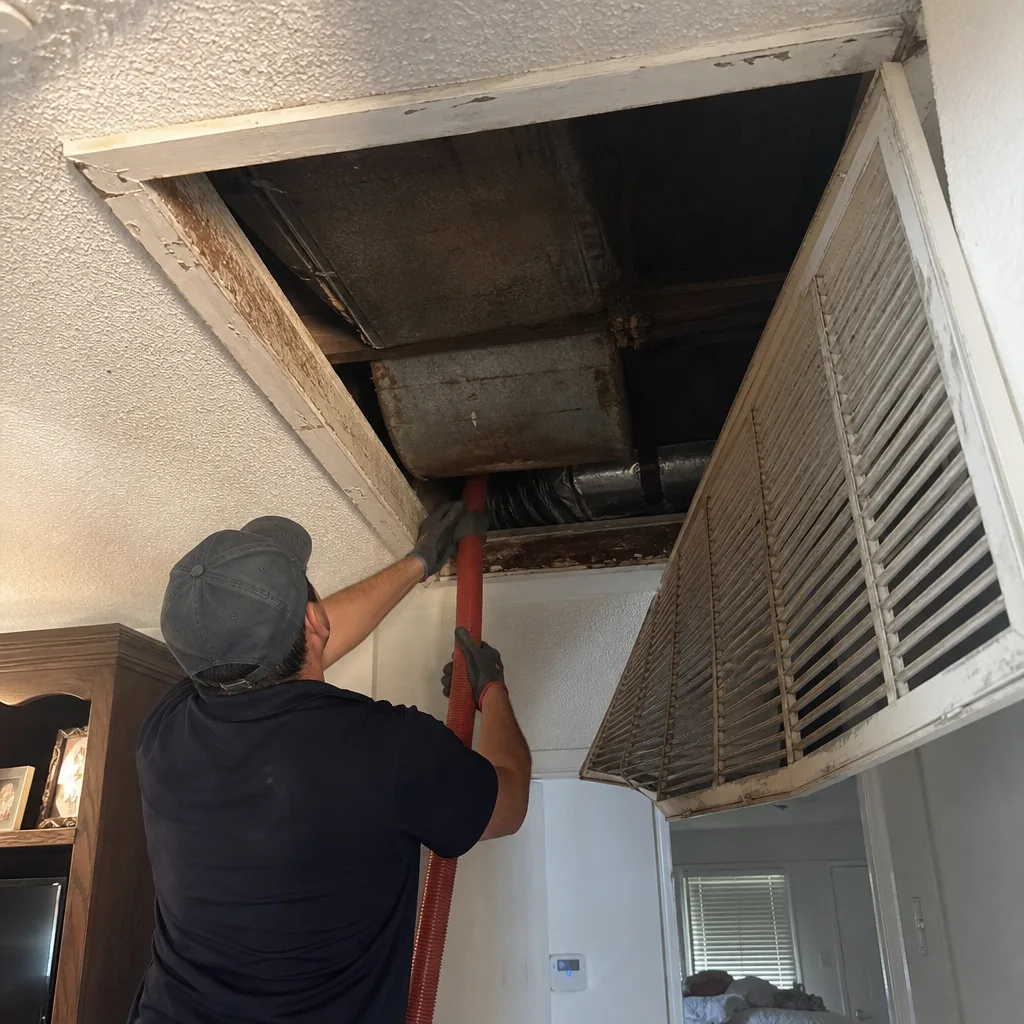 Before
 After
After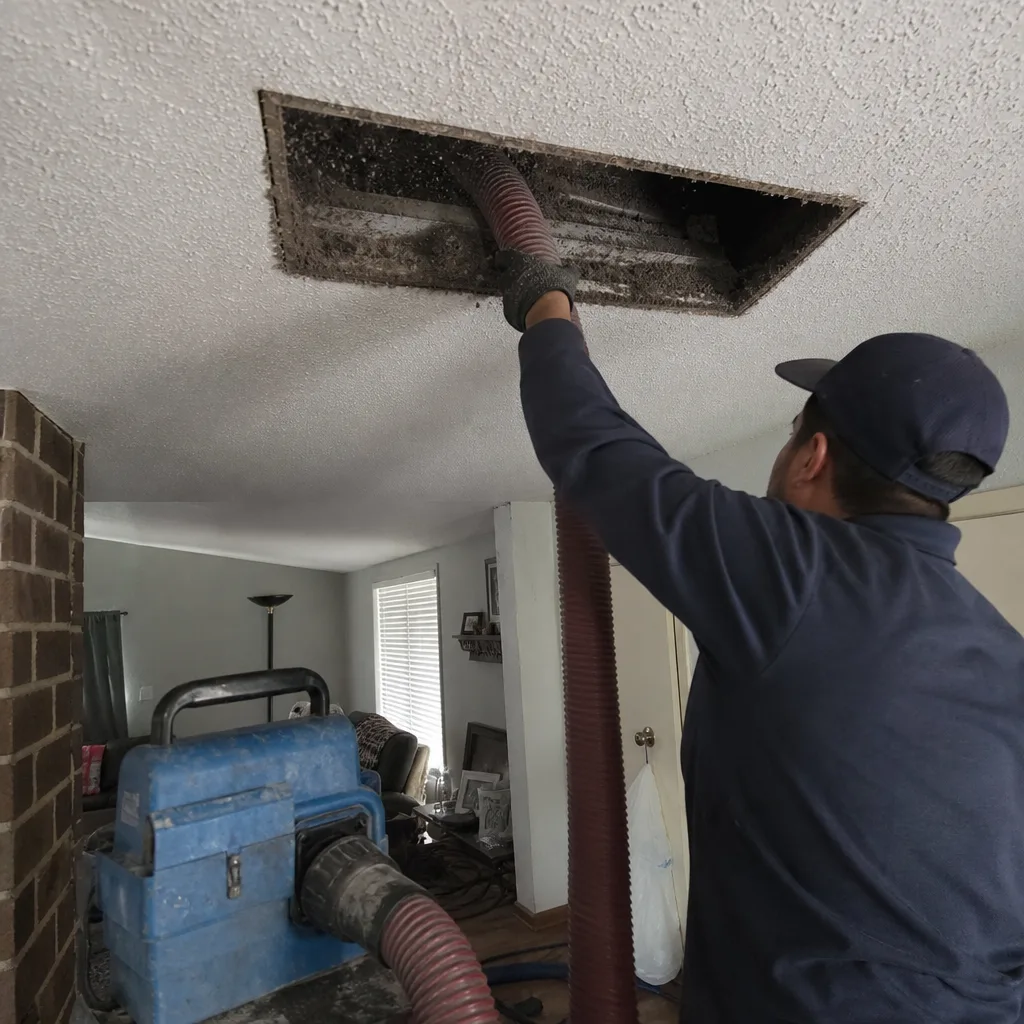 Before
 After
AfterReplacement Cost & What’s Included
Here is what register and grille work actually costs in Fort Worth, and what you get for that money.
| Service | Typical Fort Worth Price Range |
|---|---|
| Register cleaning as part of full duct cleaning | $45 – $75 per vent |
| Grille only cleaning (return air covers) | $35 – $55 per grille |
| Honeywell register replacement (standard residential) | $25 – $60 per register, installed |
| Return grille replacement (fixed bar, common sizes) | $30 – $80 per grille, installed |
| Odd-size or finished-matched Honeywell replacement | $70 – $120 per register, installed |
These ranges include the part, the labor, the removal of the old register, and cleanup. What drives the higher end is size, finish matching, and how much buildup has to be cleaned from the duct opening before the new register seats properly. We give you a written price before any work starts, every single time. That price includes shoe covers on the floors, drop cloths where we set up, and a photo of the finished work before we leave. Nothing gets added to the invoice that was not on the written quote.
Paul Adeyemi, our owner, came up through the sheet metal and air conditioning program at Los Angeles Trade-Technical College, and he has spent over a decade working on duct systems across Fort Worth. That background matters when a register needs to be matched to an older boot opening. It is not a parts-swapping job. It is a measurement and fit job, and that is the difference between a register that works for years and one that leaks from day one. Every register and grille we install carries our 365-Day Done Right Promise. If it is not right, we make it right. Full stop.
DIY or Call Us?
Register and grille work is one of the safer things a homeowner can do on their own, compared to high-tension components like garage door springs or electrical panel work. Removing a register face is usually just two screws, and we genuinely do not mind telling you that. What owners in Fort Worth run into is not danger. It is the gap between a register that is clean enough and one that is actually clean. The back side of the register, the damper channel, and the first few inches of the duct boot are where the real buildup lives, and reaching those properly takes a vacuum with a HEPA filter and a brush system. Using a shop vac without a filter throws the dust back into the room.
The other place DIY goes sideways is the replacement fit. We have fixed enough wobbly, leaking registers in the Wedgwood area to know that a face dimension is not the same as a boot dimension. If you buy a 4×10 register because that is what the old one measured at the face, and the boot behind it is actually a 3.25×10 wall stack, you will get a register that looks right and seals wrong. If the damper stick after a week, or the finish does not match the adjacent vents, you will notice it every time you walk past. If you would rather have it measured, matched, and done on the first try, call us at (682) 432-0424. We will ask a few questions about the register, give you a written price, and schedule a time that works around your family, including nap hours.
FAQs
In a typical Fort Worth home, a Honeywell register or grille lasts 12 to 18 years before the finish or the damper mechanism gives out. Homes with high humidity areas like bathrooms and kitchens, or homes with pets that shed heavily, tend to sit on the shorter end. Steam showers, cooking grease, and pet dander all accelerate the wear on painted steel vents.
Sometimes a seized damper can be freed by removing the register, cleaning the mechanism, and adding a small amount of dry lubricant. But if the damper has detached inside the register, or the metal is rusting through, repair is throwing money at a part that will fail again. We will tell you honestly which one you are looking at, and quote the repair or the replacement before we do either.
Cleaning all the registers and grilles in a typical three-bedroom Fort Worth home takes about an hour to an hour and a half as part of a duct cleaning visit. Replacing a single register takes ten to fifteen minutes including measurement and finish matching. A whole-house register and grille replacement is usually done in two to three hours, depending on how many vents and how much duct boot cleaning is needed.
We carry the most common Honeywell-compatible register and grille sizes on our trucks, including the 4×10, 4×12, 6×10, and 6×12 stamped steel registers and the 14×6 and 16×8 return grilles. For odd sizes or specific Honeywell finishes, we source them from our local Fort Worth supply partners, often within one business day. We also stock compatible parts for Lennox, Trane, and Carrier systems, so if your register work is part of a larger duct issue, we can usually handle it in the same visit.
Call (682) 432-0424 for a free estimate on Honeywell register and grille cleaning or replacement in Fort Worth. A live person answers the phone 24/7, and you will get a written price before any work starts. I tell you what I’ll do, and then I do exactly that, nothing more on the invoice, nothing less in the work.
Written by Paul Adeyemi, Owner, Morton’s Air Duct Fort Worth at Mortons Air Duct Fort Worth, serving Fort Worth and nearby areas.