
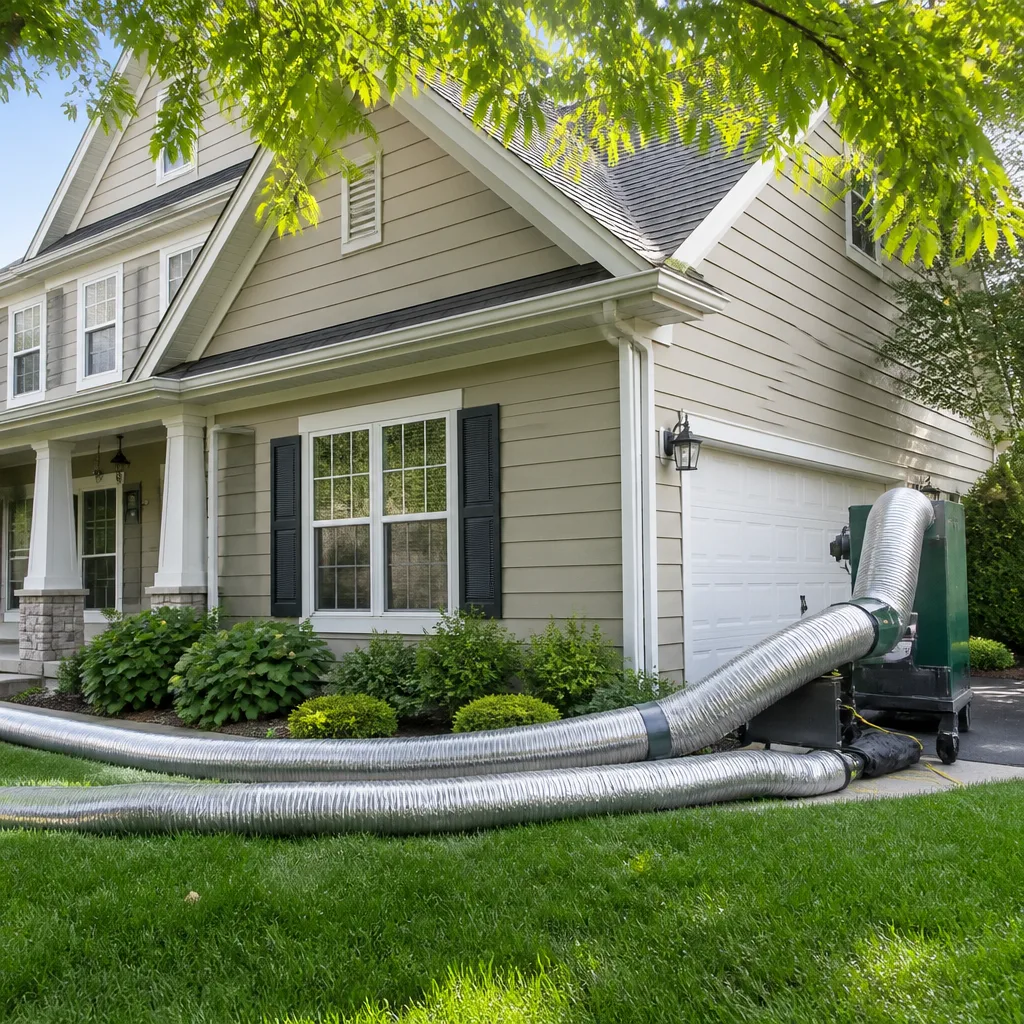
 Whole-home duct cleaning
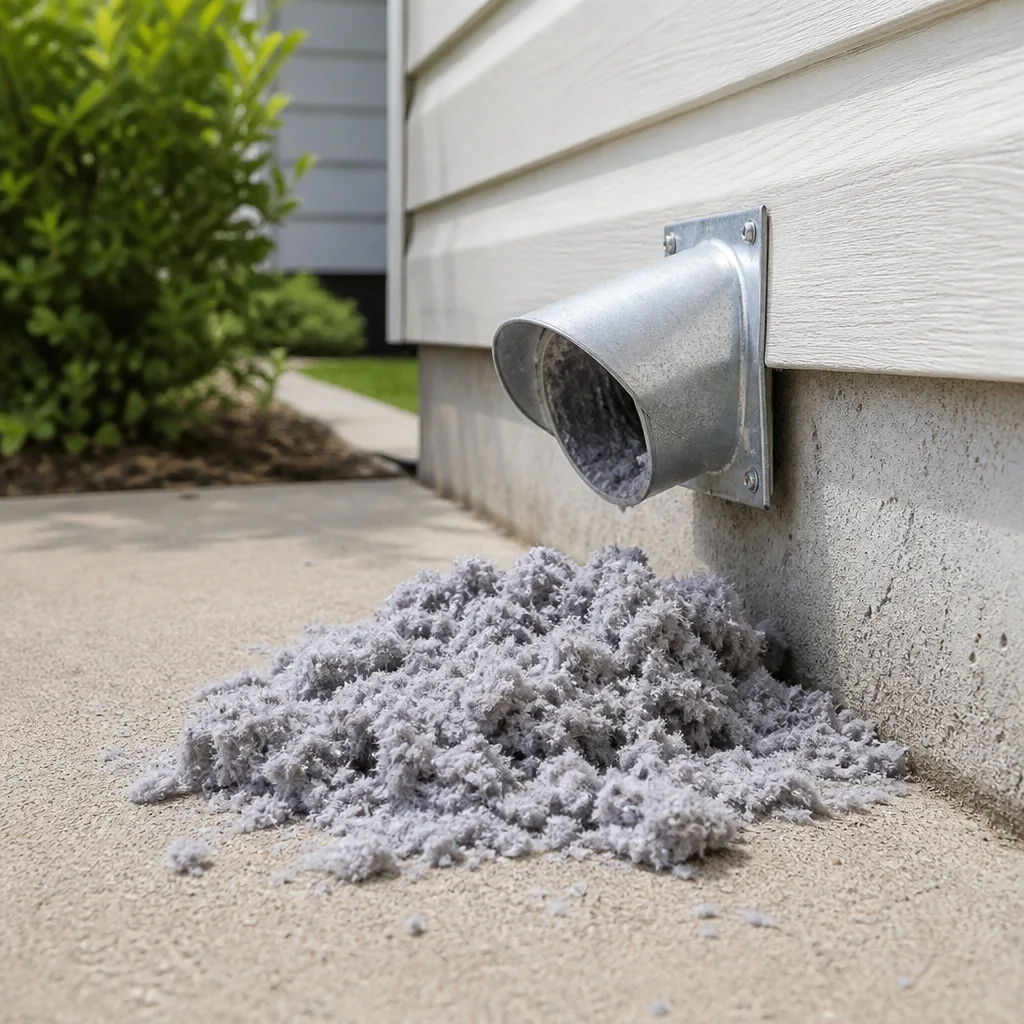 Dryer vent cleaning
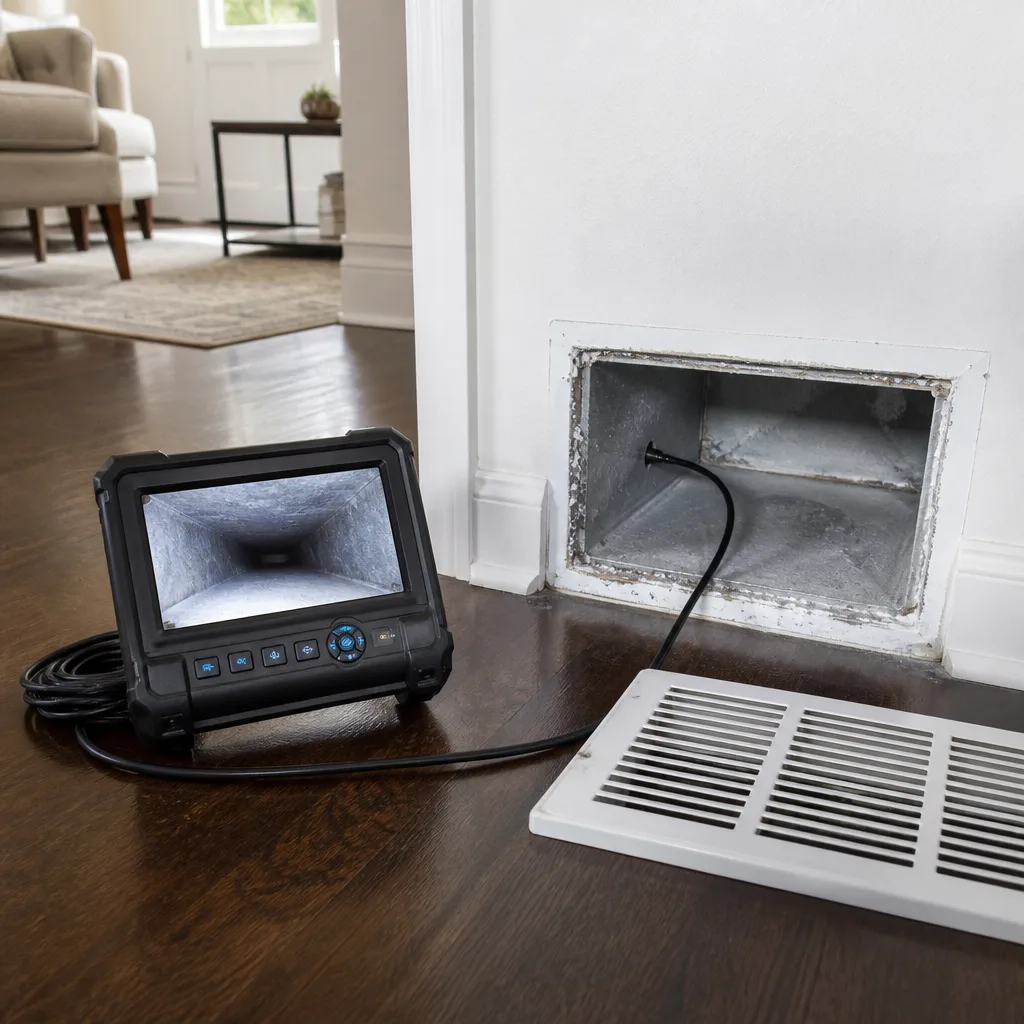 Camera inspection
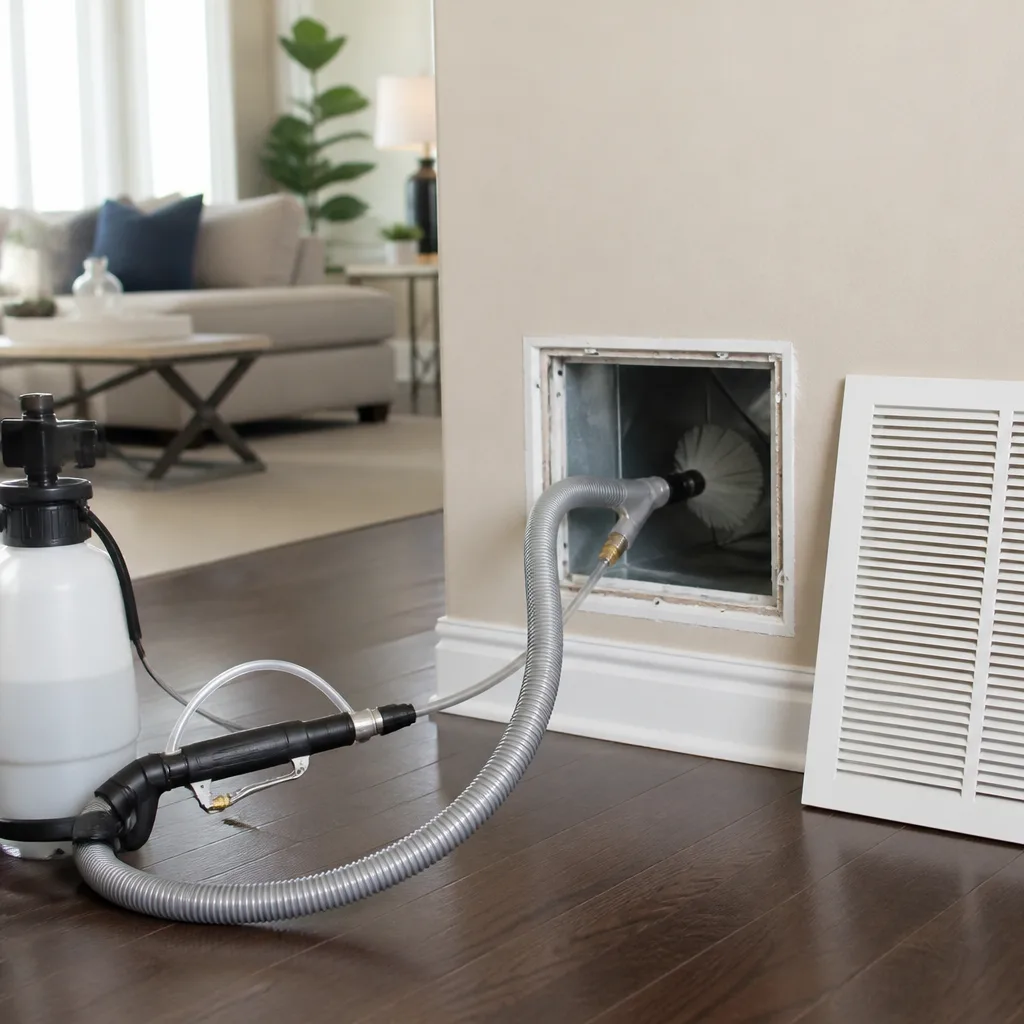 Sanitizing & deodorizing
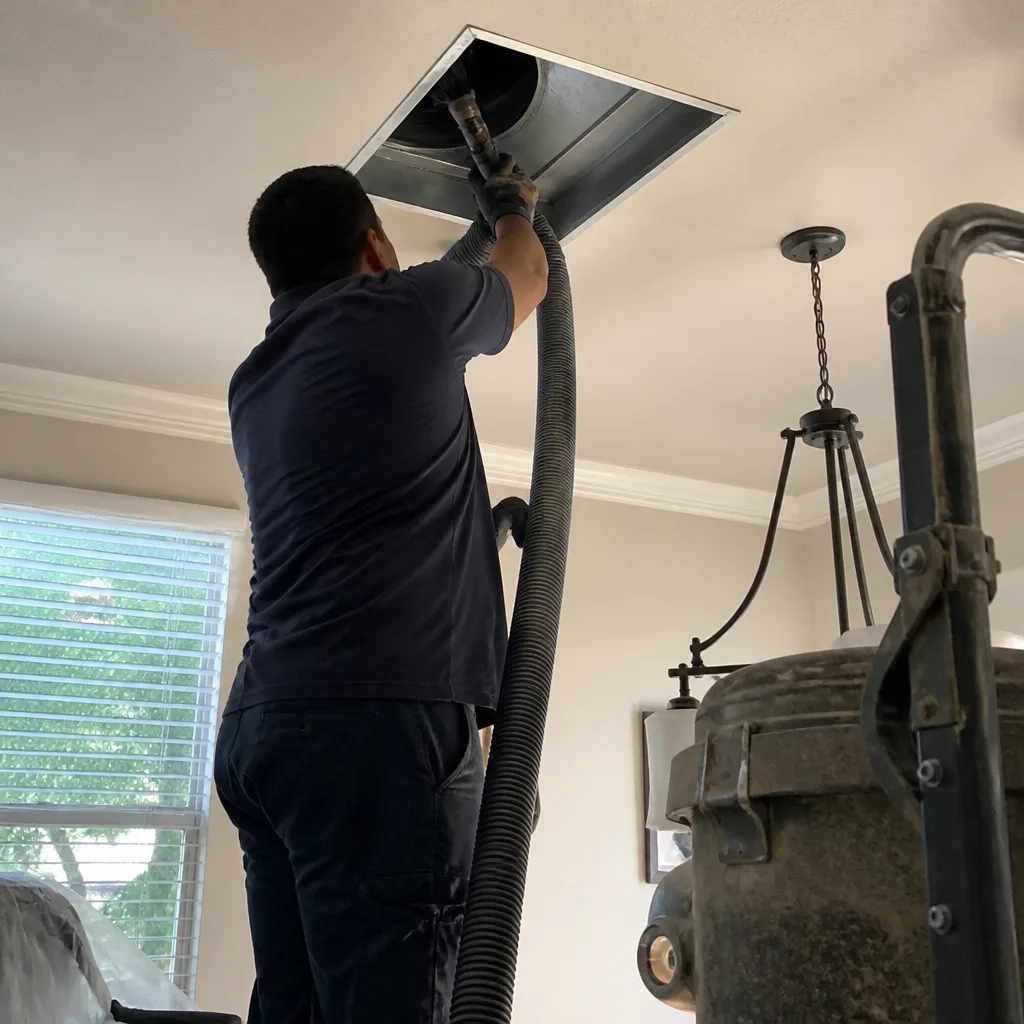
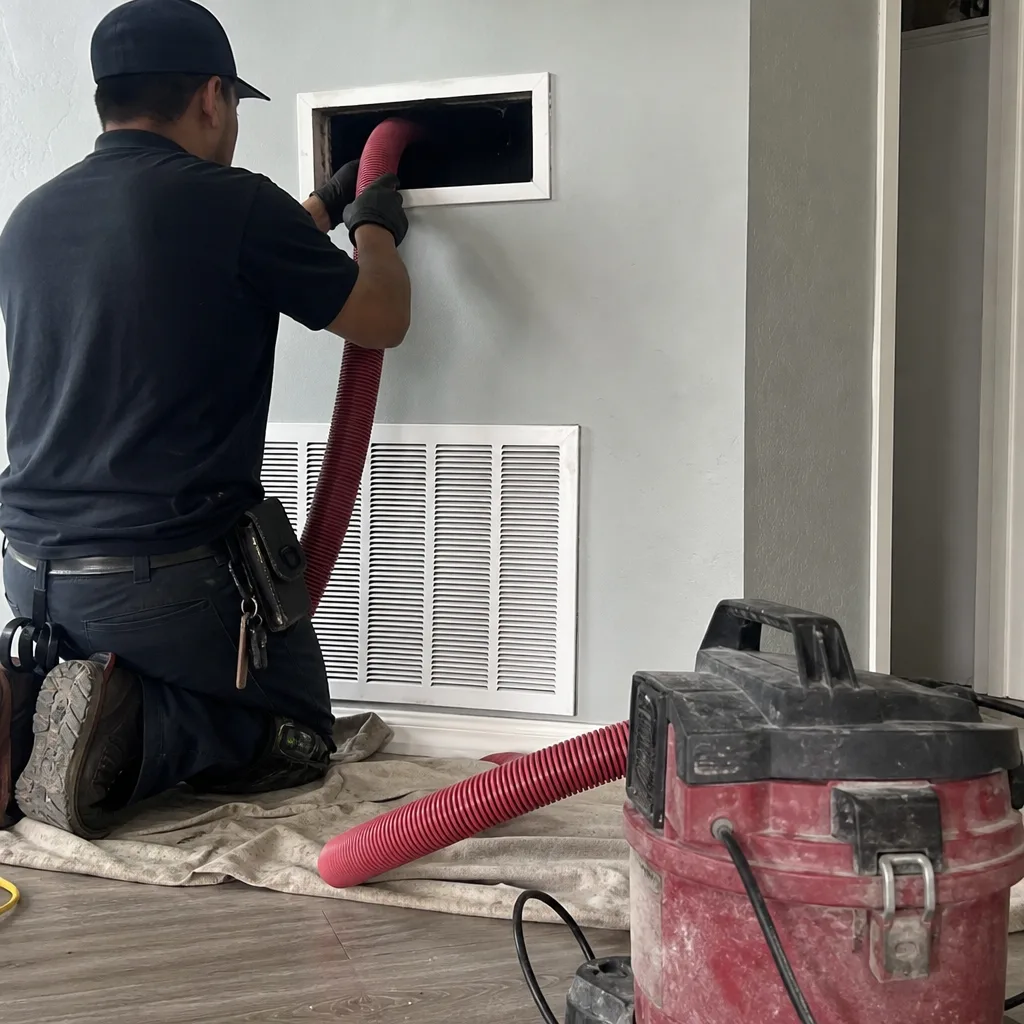
Whole-system duct and dryer vent check with before-and-after photos - you see exactly what came out of your vents
That "$99 whole-house special" is a bait ad - the real number appears once they are in your hallway, or the "clean" is a shop-vac at the register. We photograph the inside of your ducts before and after instead.
Honeywell Coil Cleaning: The Fort Worth Owner’s Guide
We stock and install Honeywell-compatible coil cleaning for most residential systems in Fort Worth, with typical whole-system cleaning priced between $450 and $800 depending on coil accessibility and system size. Most jobs are scheduled within a few business days, and we bring everything needed on the truck. The way most owners find us is simple: the air coming out of the vents feels lukewarm in July, the electric bill climbed for no obvious reason, or the system cycles longer than it used to. A coated evaporator coil is usually behind all three, and Honeywell systems are no exception.
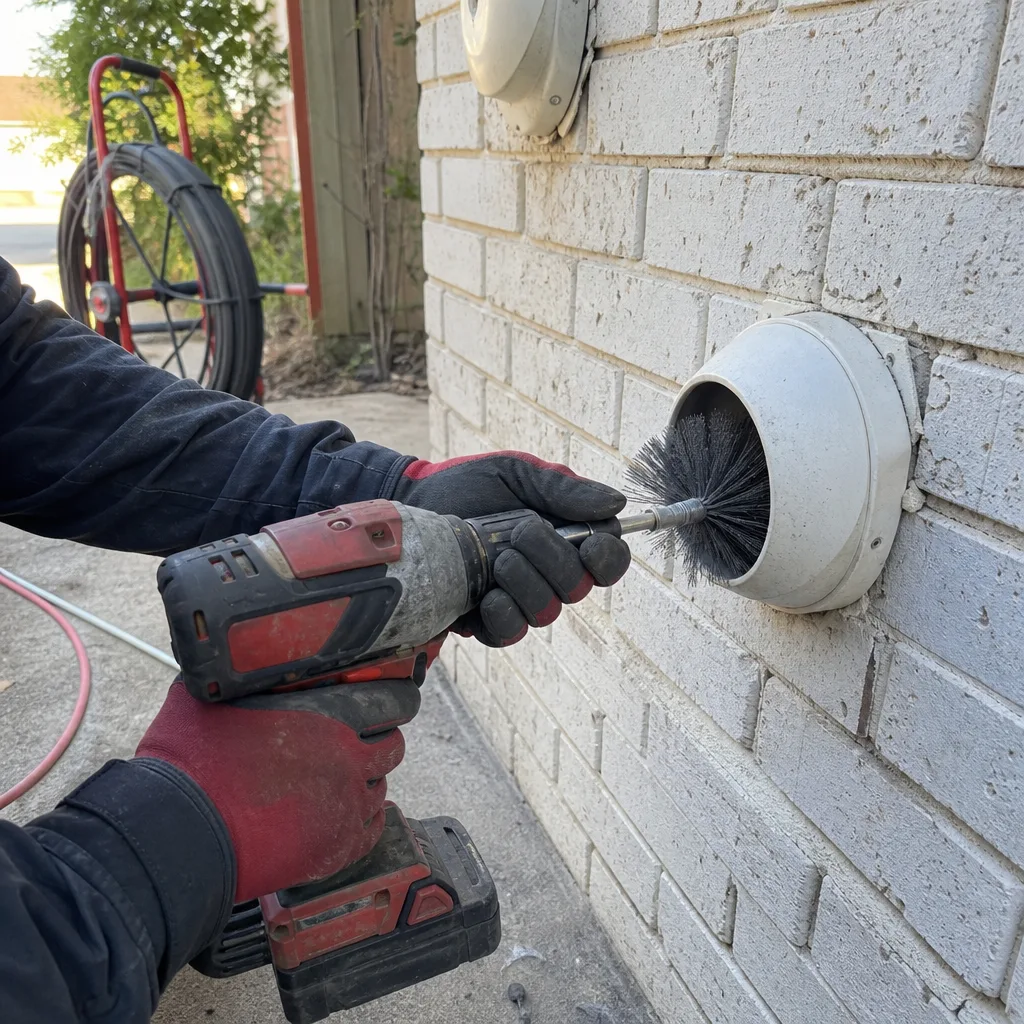
Fort Worth summers punish coils hard. Cottonwood, construction dust, pet dander, and the fine clay dust that blows in from west of town all settle on the wet evaporator surface and bake into a paste. Honeywell’s coil designs, particularly on their packaged units, have tight fin spacing that traps debris more readily than some other brands. The good news is that a proper cleaning restores most of the lost efficiency, and we do this work without pulling the coil whenever the cabinet design allows.
Key Takeaways:
- Typical Honeywell coil cleaning in Fort Worth runs $450 to $800, whole system, written price before we start.
- Coated coils drive up energy use and shorten compressor life; cleaning is far cheaper than replacement.
- We carry Honeywell-specific cleaning heads and can usually complete the work in one visit.
- Every job includes the 365-Day Done Right Promise and a photo of the clean-up before we leave.
Which Honeywell Models This Applies To
Honeywell doesn’t manufacture full residential HVAC systems the way Lennox, Trane, or Carrier do. What they make are the controls, thermostats, zoning panels, and in some lines the coils and air handlers that integrate into third-party systems. When we talk about Honeywell coil cleaning in Fort Worth, we’re typically working on Honeywell-branded evaporator coils installed in systems that carry another manufacturer’s condenser outside. That hybrid setup is common, and it matters because the coil needs to be matched to the condenser’s refrigerant charge and airflow specs.
Most Honeywell evaporator coils we see fall into their cased A-coil or uncased N-coil lines. The cased versions, like those in the HA-series, have a removable front panel that makes cleaning significantly easier. Uncased coils sit inside a sheet metal plenum built around them, and getting proper access can add time. If you can find the model number, it’s usually on a sticker on the coil housing or on the original install paperwork. Numbers starting with “HA” or “HN” are most common. One compatibility gotcha worth knowing: Honeywell uncased coils in older Fort Worth ranch homes were often wrapped in foil-faced insulation that degrades with heat cycling. When it starts crumbling, debris falls directly onto the coil, and that’s a situation where cleaning alone won’t hold, the insulation needs addressing too. We flag that when we see it rather than cleaning over a recurring problem.
OEM replacement coils exist for Honeywell equipment, but many homeowners don’t need a new coil, they need the existing one cleaned properly. A quality aftermarket cleaning, done with the right chemicals and rinse procedures, extends the life of an OEM coil that still holds charge. We don’t sell replacement coils, but Paul Adeyemi has seen enough of these systems to tell you honestly whether cleaning is worth doing or whether a coil is too far gone and replacement makes more sense. We’ll tell you before any work starts.
Styles & brands we work with
Signs Your Honeywell Coil Cleaning Is Failing
- Warm air when the thermostat says cool. A coated evaporator coil can’t transfer heat effectively, so the air leaving the vents is 5 to 10 degrees warmer than it should be. The system runs constantly and the house never quite reaches the set temperature.
- Higher electric bills in the shoulder seasons. When the coil is dirty, the compressor works harder and runs longer to hit the same temperature. Fort Worth customers routinely see a 10 to 20 percent jump in cooling costs before the system gets cleaned.
- Ice on the copper line set or at the indoor unit. Restricted airflow across a dirty Honeywell coil drops the refrigerant pressure low enough to freeze the coil surface. If you see frost on the larger copper line outside, shut the system down and call us, running it frozen can damage the compressor.
- Musty or dirty-sock smell when the blower kicks on. The wet coil surface is a perfect place for microbial growth, especially in our humidity. That smell is the coil and the condensate pan underneath it telling you they need attention.
- A visible dust blanket on the coil when you peek through the blower compartment. If you can see gray or brown fuzz coating the fins, airflow is already restricted. This is the cheapest time to clean it, before the buildup bakes on and becomes harder to remove.
See the difference
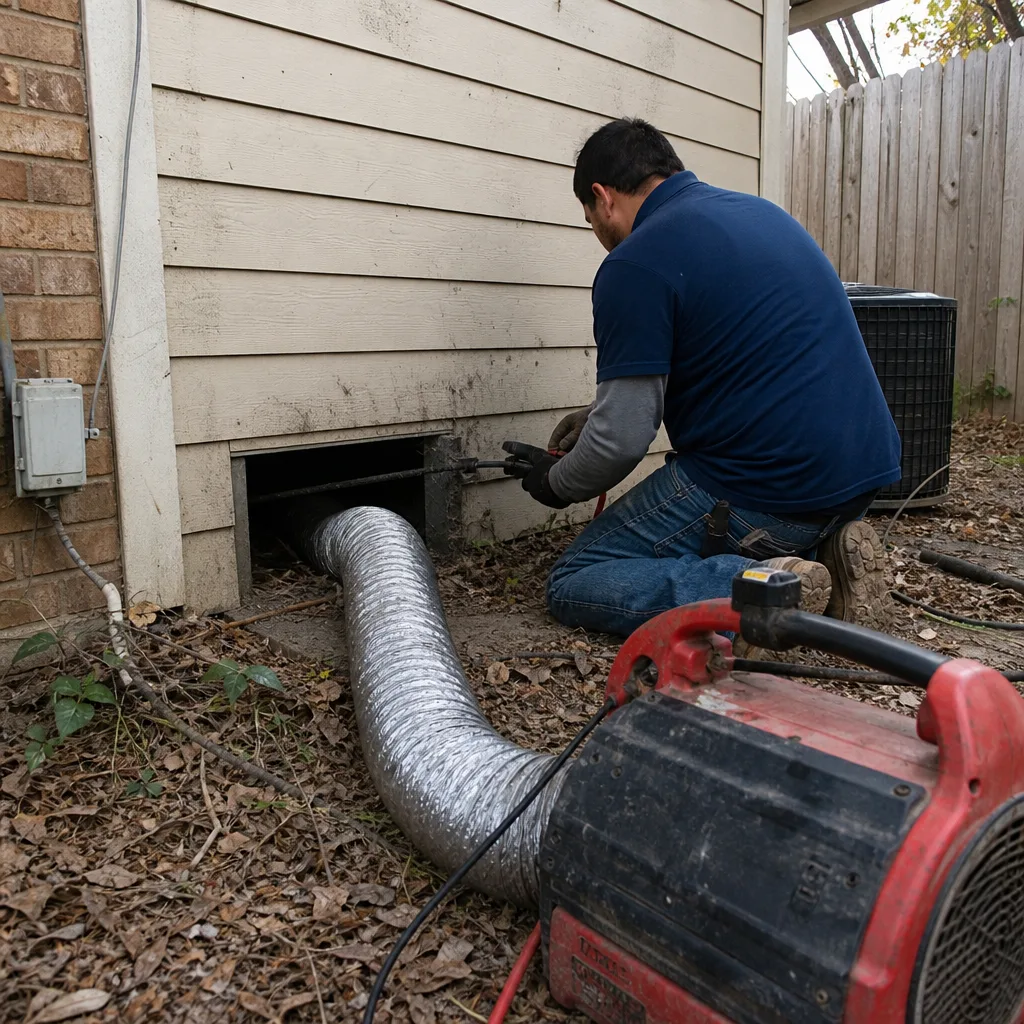 Before
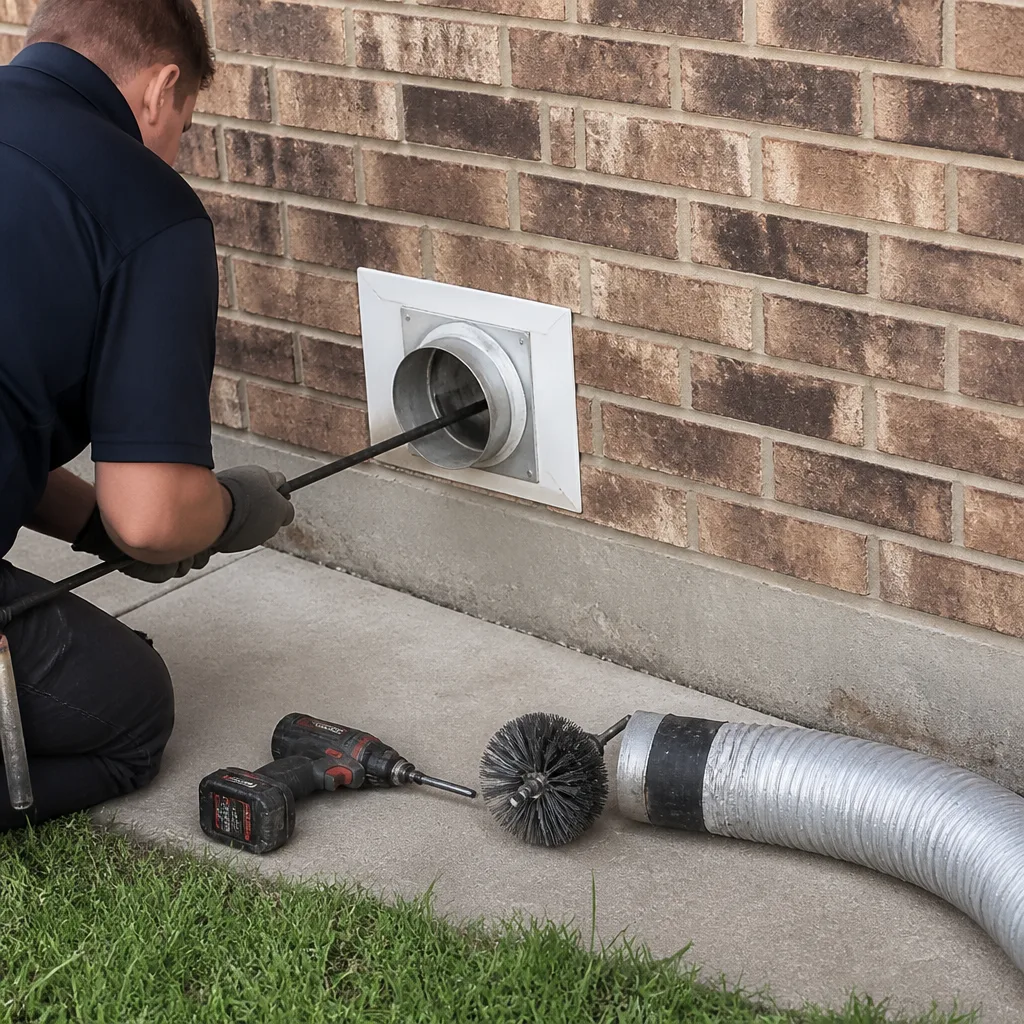 After
After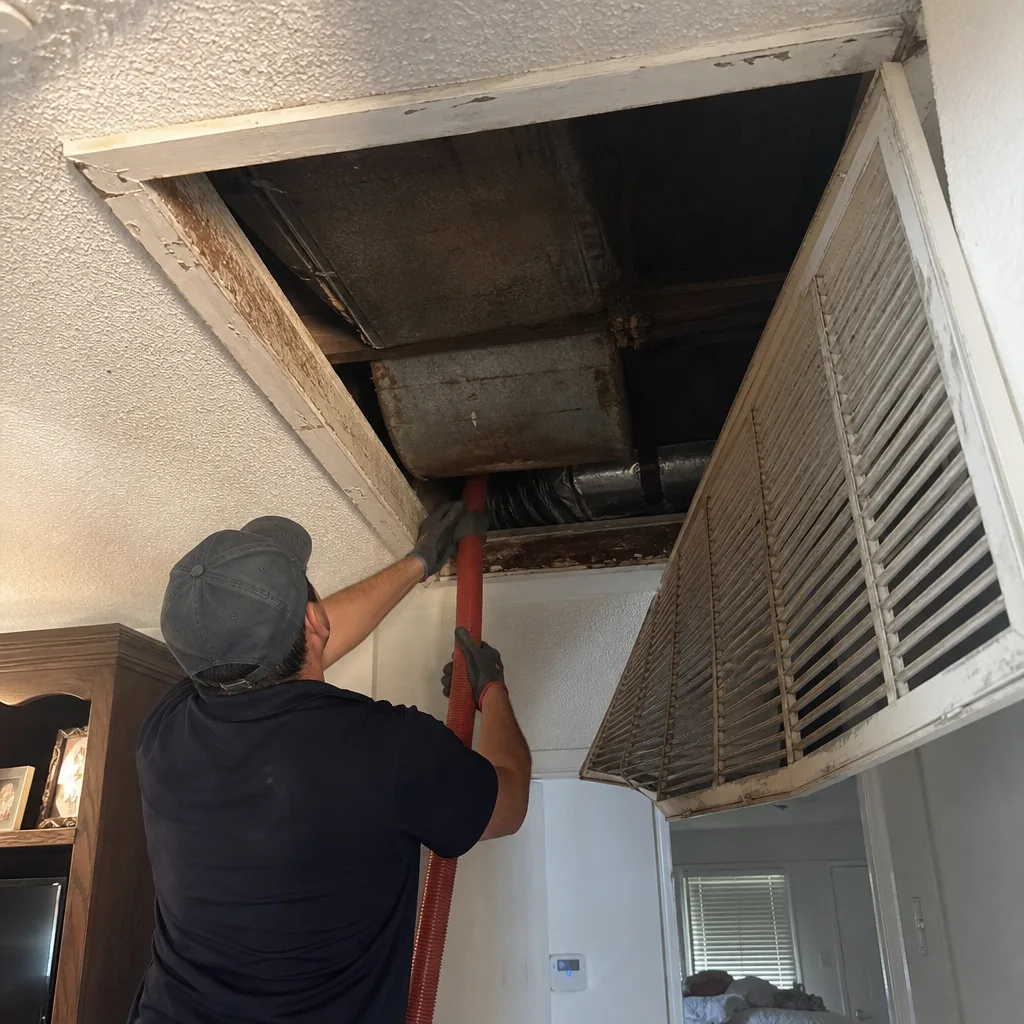 Before
 After
After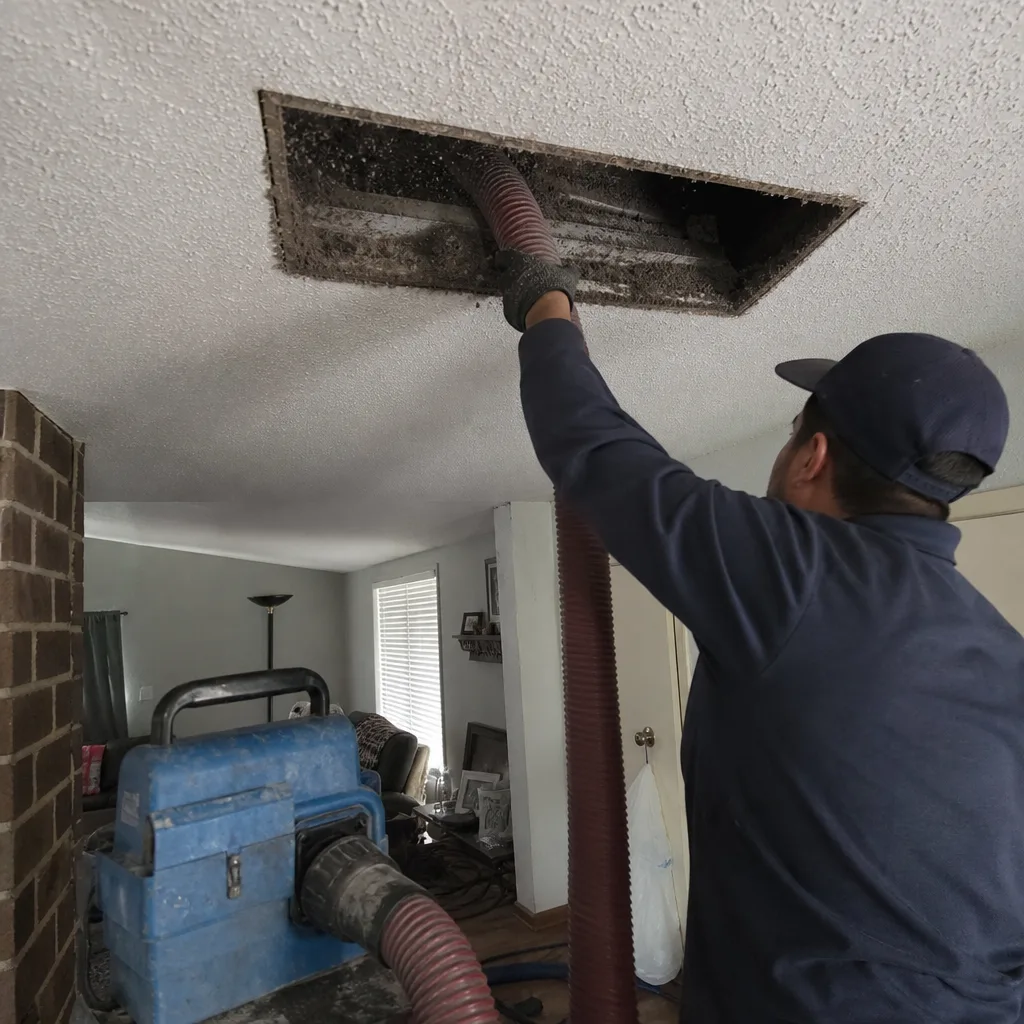 Before
 After
AfterCleaning Cost & What’s Included
For Fort Worth homes, Honeywell coil cleaning typically runs between $450 and $800. The range depends on three things: whether the coil is cased or uncased, how accessible the indoor unit is, and how heavily fouled the coil has become. A cased coil with easy front access in a hallway closet runs toward the lower end. An uncased coil buried in a tight attic with a horizontal air handler runs higher, because access takes longer and we take more care protecting your ceilings and flooring.
Every price is quoted in writing before we start, and the quote includes the full scope: coil and condensate pan cleaning, condensate line flush, drain pan treatment to slow future growth, and a check of the blower area if debris is present. There’s no per-coil upcharge discovered mid-job, no surprise line items on the invoice. That’s the Cedarwell Care Promise in practice. If the coil is beyond saving, we’ll stop and show you what we found before recommending anything further.
DIY or Call Us?
What you can safely do yourself is replace air filters on schedule, keep the condensate line clear of visible blockage at the overflow point, and keep the area around the indoor unit free of stored boxes and pet hair. Those steps slow coil fouling. What we don’t recommend is pulling the coil cabinet apart. Honeywell cased coils are straightforward for someone with the right tools, but the refrigerant charge is active, the fins bend easily, and a wrong coil cleaner can eat the aluminum. We use professional equipment matched to Honeywell fin materials and we carry a rinse-and-reclaim setup so no chemical runoff ends up in your drain pan or down the condensate line. If you’ve opened the unit and the coil looks fouled, call (682) 432-0424 and we’ll talk you through what we’re seeing from photos before we schedule anything.
FAQs
In Fort Worth, with our dust levels and cooling season length, we recommend a coil cleaning every 3 to 5 years for most homes. Homes with multiple indoor pets, or properties near new construction where dust is constant, may need it more often. If the coil hasn’t been touched in 7 or 8 years, you’re likely past due.
A coil that’s merely dirty can almost always be cleaned and put back into service, which is a fraction of replacement cost. A coil that has a refrigerant leak, visible corrosion on the fins, or freeze damage from running too long with restricted airflow usually needs replacement. We’ll tell you which situation you have before quoting either path.
Most Honeywell coil cleaning jobs in Fort Worth take 2 to 4 hours from arrival to clean-up. Cased coils with good access are faster. Tight attic installs with uncased coils add time, not because the cleaning is harder, but because we move carefully and protect the house along the way.
We stock the cleaning chemistry and coil heads sized for Honeywell fin spacing, and we bring them on every call. We also carry common Honeywell thermostat and control components since those often fail alongside coil issues. If you need something outside our stock, we’ll order it and schedule the follow-up before we leave. Call (682) 432-0424 for a free estimate.
Written by Paul Adeyemi, Owner, Morton’s Air Duct Fort Worth at Mortons Air Duct Fort Worth, serving Fort Worth and nearby areas.