
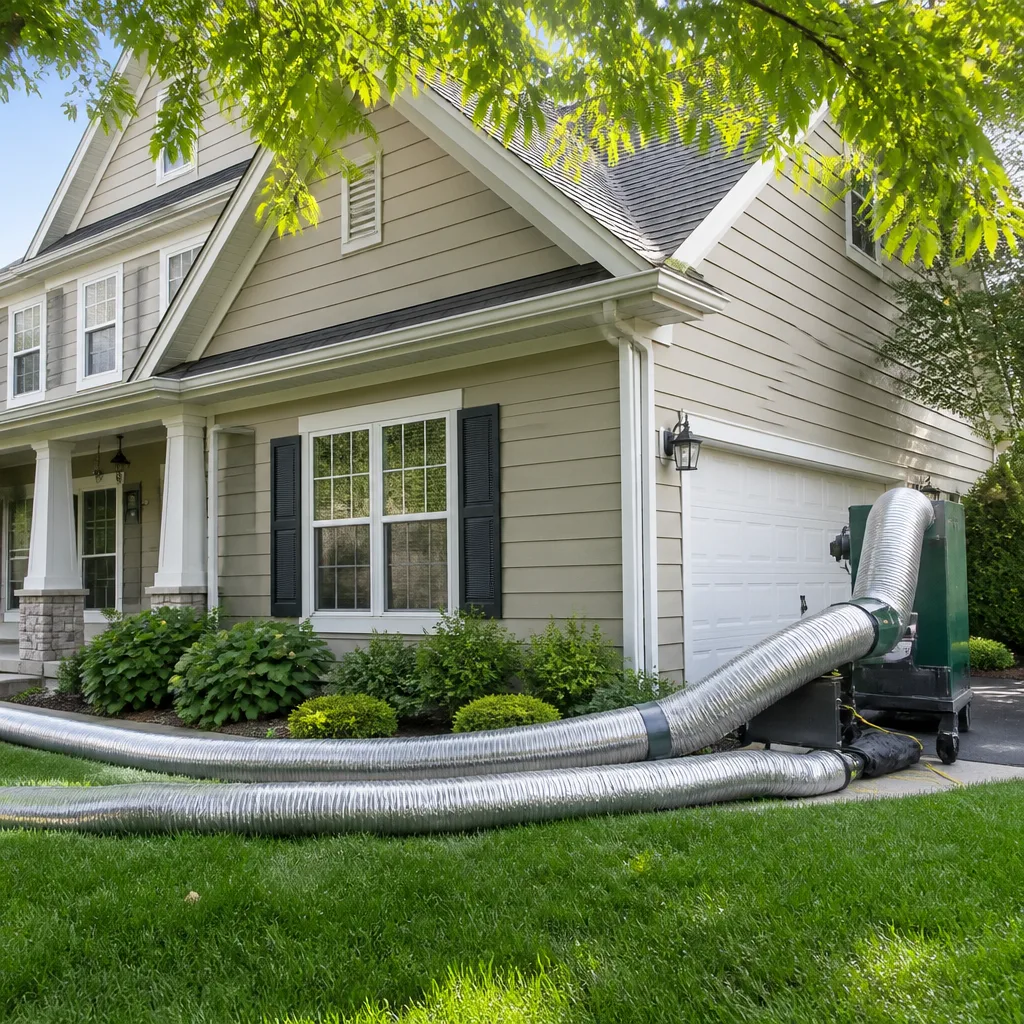
 Whole-home duct cleaning
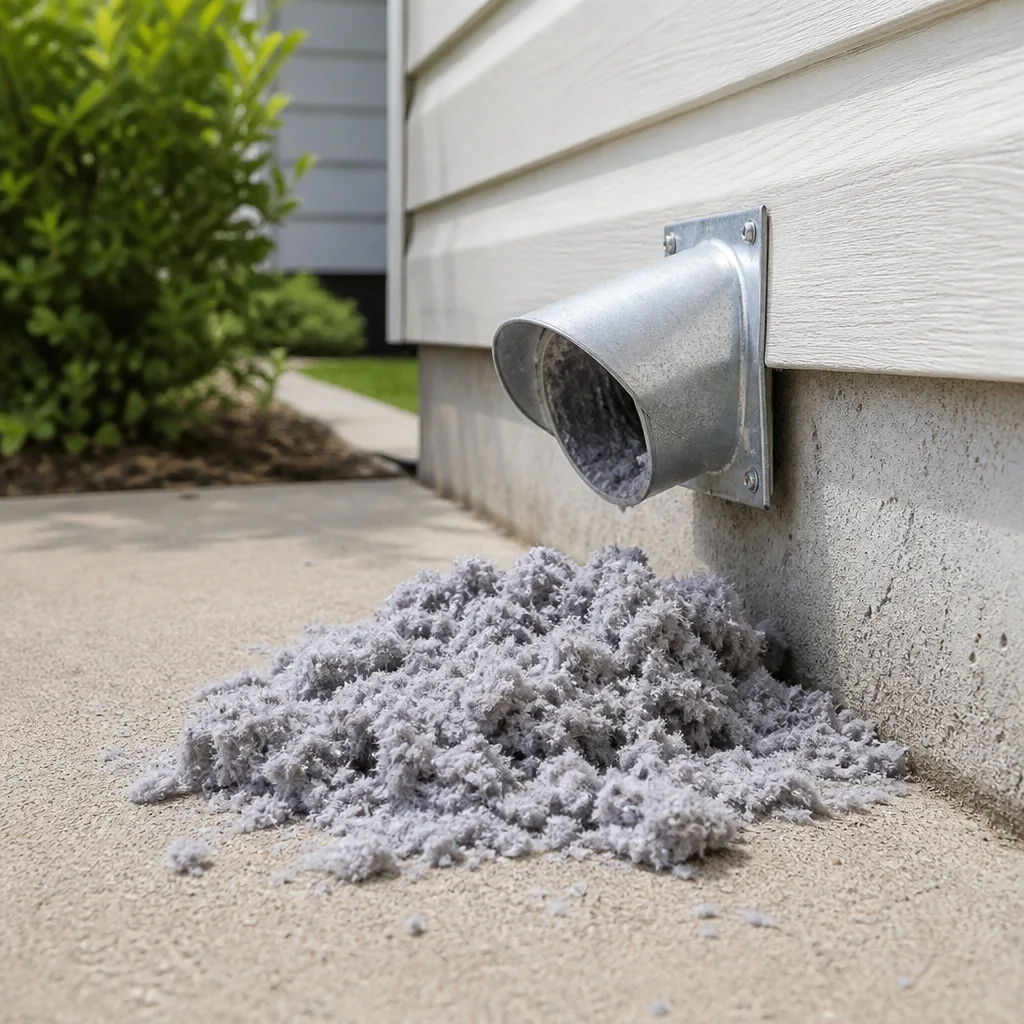 Dryer vent cleaning
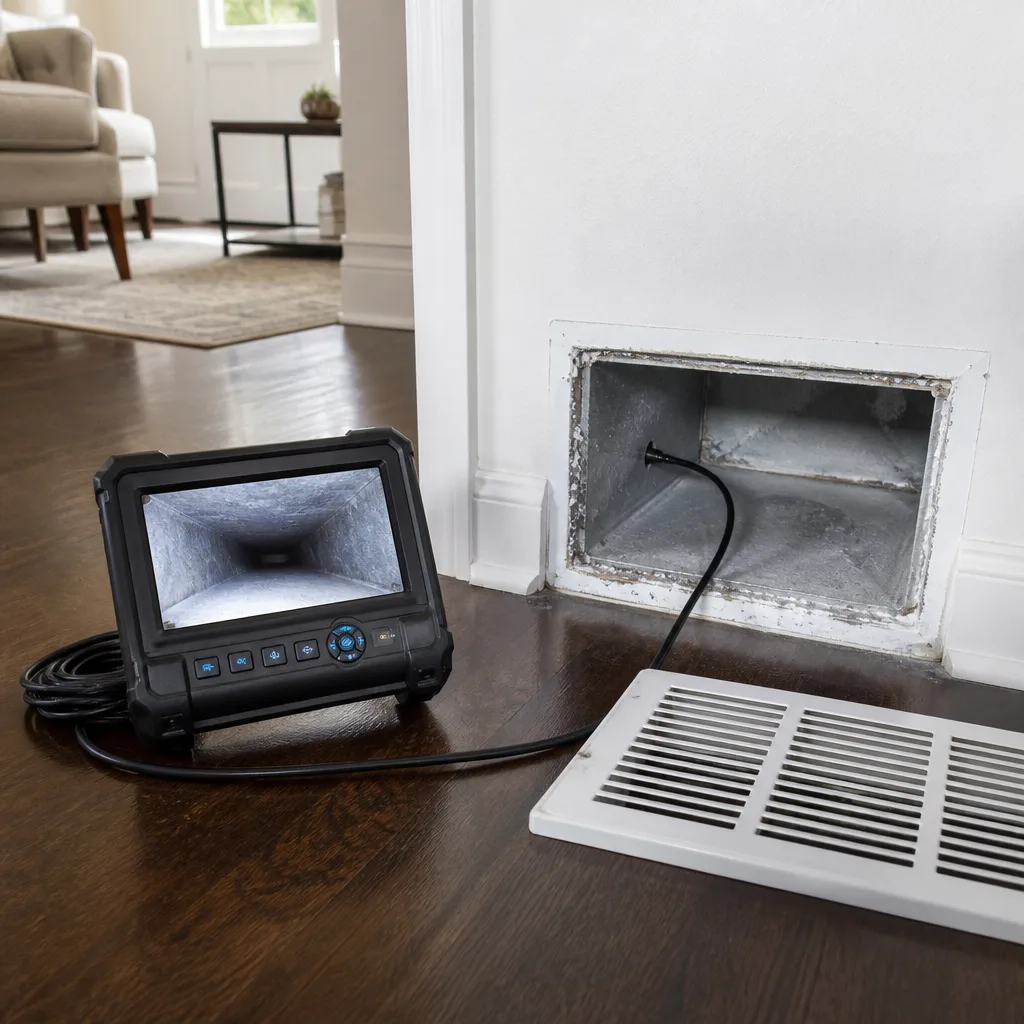 Camera inspection
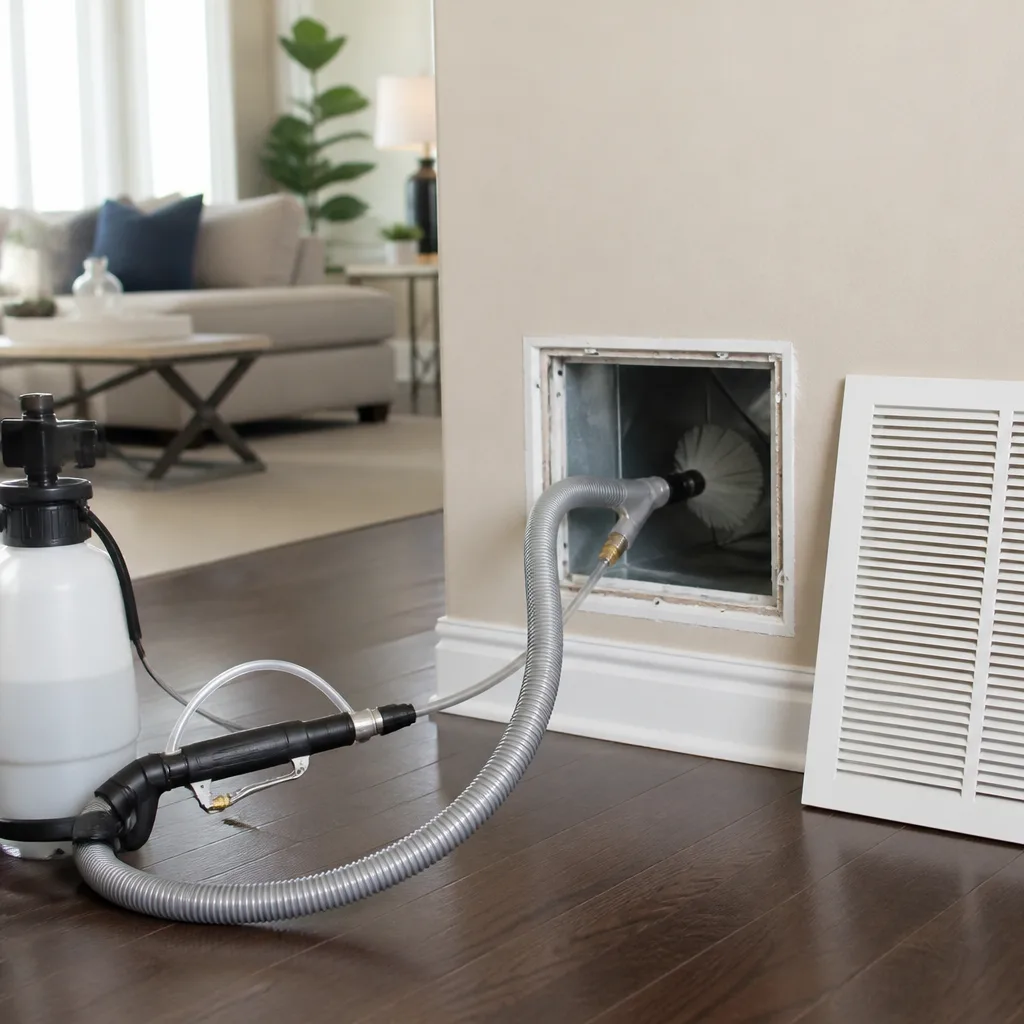 Sanitizing & deodorizing
Whole-system duct and dryer vent check with before-and-after photos - you see exactly what came out of your vents
That "$99 whole-house special" is a bait ad - the real number appears once they are in your hallway, or the "clean" is a shop-vac at the register. We photograph the inside of your ducts before and after instead.
Abatement Technologies Duct Sealing & Repair: The Fort Worth Owner’s Guide
We stock and install Abatement Technologies-compatible duct sealing and repair parts across Fort Worth, with most complete sealing jobs running between $350 and $900 installed depending on duct run length and access. Most homeowners call us after noticing airflow dropping in one or two rooms, or when a visual inspection turns up tape peeling away at a joint. It’s the kind of failure that develops slowly until one July afternoon the bedroom on the west side just won’t cool below 78.
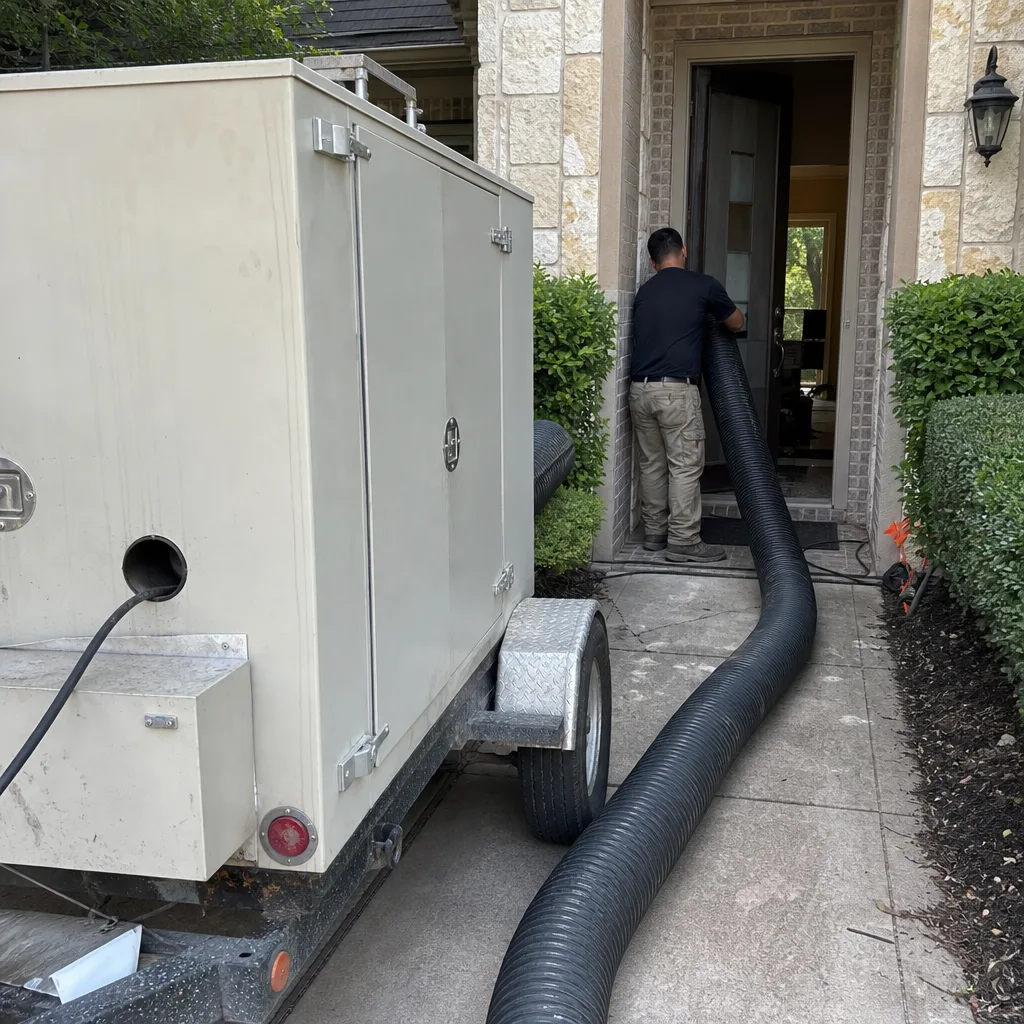
Here’s the reality we’ve learned in Fort Worth homes: attic temperatures in July and August sit well above 130 degrees, and that heat cycle is what eventually breaks down factory duct seals. We’ve opened attics in Ryan Place and Wedgwood where the original sealing tape has turned brittle as a cracker. The fix is straightforward when you use the right material for the duct class and the right method for the joint. Paul Adeyemi and our team do this specific repair often enough that we keep Abatement-compatible sealing kits on the truck.
Key takeaways:
- We carry Abatement Technologies-compatible sealing materials and replacement collars on the service truck
- Installed repair ranges from $350 to $900 in Fort Worth depending on duct run length and access difficulty
- Written price before any work starts, always
- 365-Day Done Right Promise on every repair
Which Abatement Technologies Models This Applies To
Abatement Technologies manufactures duct sealing products used across their portable air scrubbers, negative air machines, and inline duct systems. In residential Fort Worth settings, we most often see their sealing collars and mastic-compatible tape on flex-duct connections tied to whole-home filtration or post-remediation duct runs. The compatibility question comes down to duct diameter and collar depth, not a model number printed on the machine itself. Measure the inside diameter of the existing collar or the outside diameter of the duct. Standard residential sizes run 6-inch, 8-inch, 10-inch, and 12-inch round.
One thing we’ve learned from older homes near the TCU campus: some original Abatement installations used a proprietary collar with a slightly deeper lip than generic aftermarket collars. A standard off-the-shelf replacement will feel loose. We stock both OEM-spec collars and quality aftermarket equivalents that match the original depth, and we’ll tell you plainly which one fits your setup before anything goes on the invoice.
For the sealing material itself, we use fiberglass-reinforced aluminum tape rated for HVAC service, paired with water-based duct mastic where the joint needs more than tape. Abatement’s own spec sheets call for reinforced tape on metal-to-flex transitions. We stock what their specification calls for, alongside compatible equivalents from Rotobrush and other brands we trust.
Styles & brands we work with
Signs Your Abatement Technologies Duct Sealing & Repair Is Failing
Duct sealing failures present in ways most homeowners chalk up to an aging HVAC system. Here’s what actually points to the seal, not the unit:
- One room that never matches the thermostat. The HVAC blower is working fine, but conditioned air is leaking into the attic before it reaches that register. We’ll often find the seal at the flexible duct connection completely detached and flapping in the airstream.
- Dust accumulating faster than it used to. A broken seal on the return side pulls attic air, insulation fibers, and whatever else is up there into the duct stream. In Forth Worth, that means fine clay dust from the attic floorboards entering the system.
- Visible peeling or brittle tape at any accessible joint. If you can see a joint in the garage, utility closet, or an exposed basement area, look closely at the edges. Curling tape edges are the earliest visual cue, often years before a full separation.
- Hissing or whistling at floor registers when the system runs. Air is escaping under pressure at a failed seal upstream. It’s faint, and most people notice it only at night when the house is quiet and the dog has stopped moving around.
- Higher utility bills without a corresponding change in usage. Leaking ducts mean the system runs longer to hit target temperature. Fort Worth summers make this the most expensive symptom of all.
None of these are emergencies. But each one is quietly costing you money, and the math on a duct seal repair in Fort Worth works out fast when the alternative is conditioning your attic through July and August.
Replacement Cost & What’s Included
A typical Abatement Technologies duct sealing repair in Fort Worth runs $350 to $900 installed. The lower end covers one or two accessible joints where we can reach the connection, clean the surface, apply mastic and reinforced tape, and confirm the seal with a smoke pencil or our digital airflow meter. The higher end covers multiple failing joints, replacement of damaged collars, or long flex-duct runs where the seal has failed at the distribution box in a low-clearance attic.
| Repair scope | Typical Fort Worth installed price |
|---|---|
| Single joint reseal (accessible) | $350 – $450 |
| Two to three joints, including one collar replacement | $450 – $650 |
| Multiple failing joints in low-clearance attic | $650 – $900 |
| Full distribution box reseal with mastic work | $700 – $900 |
Every job starts with a written price before we touch anything. That price includes the sealing materials, any replacement collars, cleanup, and before-and-after photos of the work. It also carries our 365-Day Done Right Promise: if the seal fails within the year, we come back and make it right, full stop. No per-joint upcharges, no surprise line items, nothing more on the invoice than what Paul Adeyemi quoted when you called.
See the difference
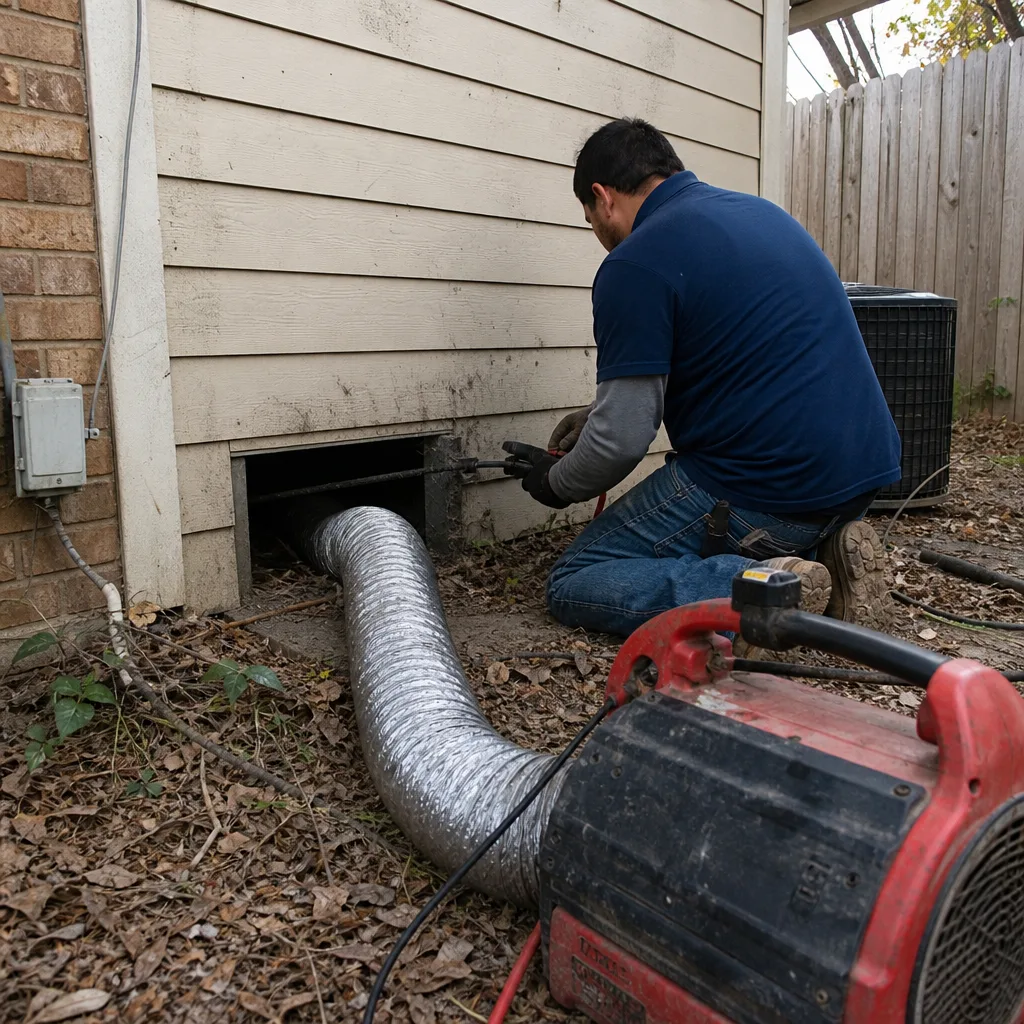 Before
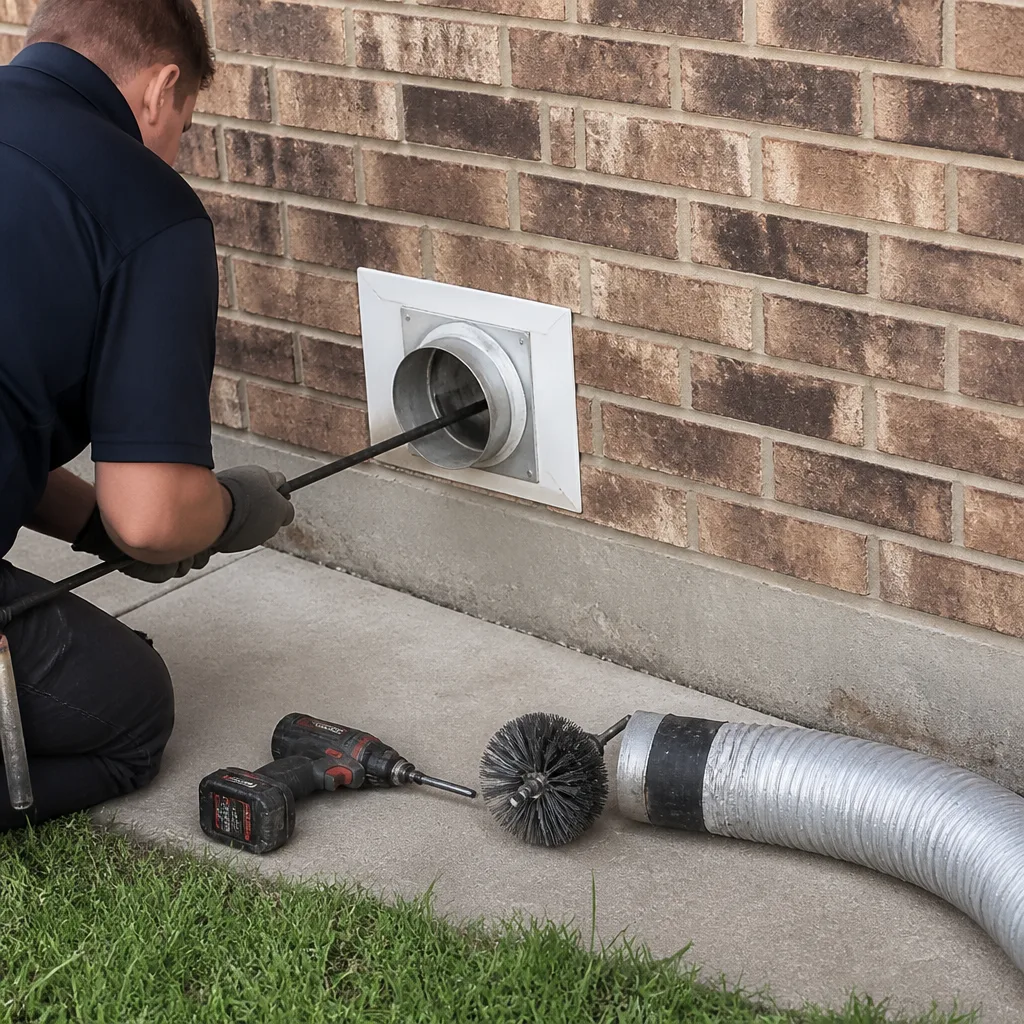 After
After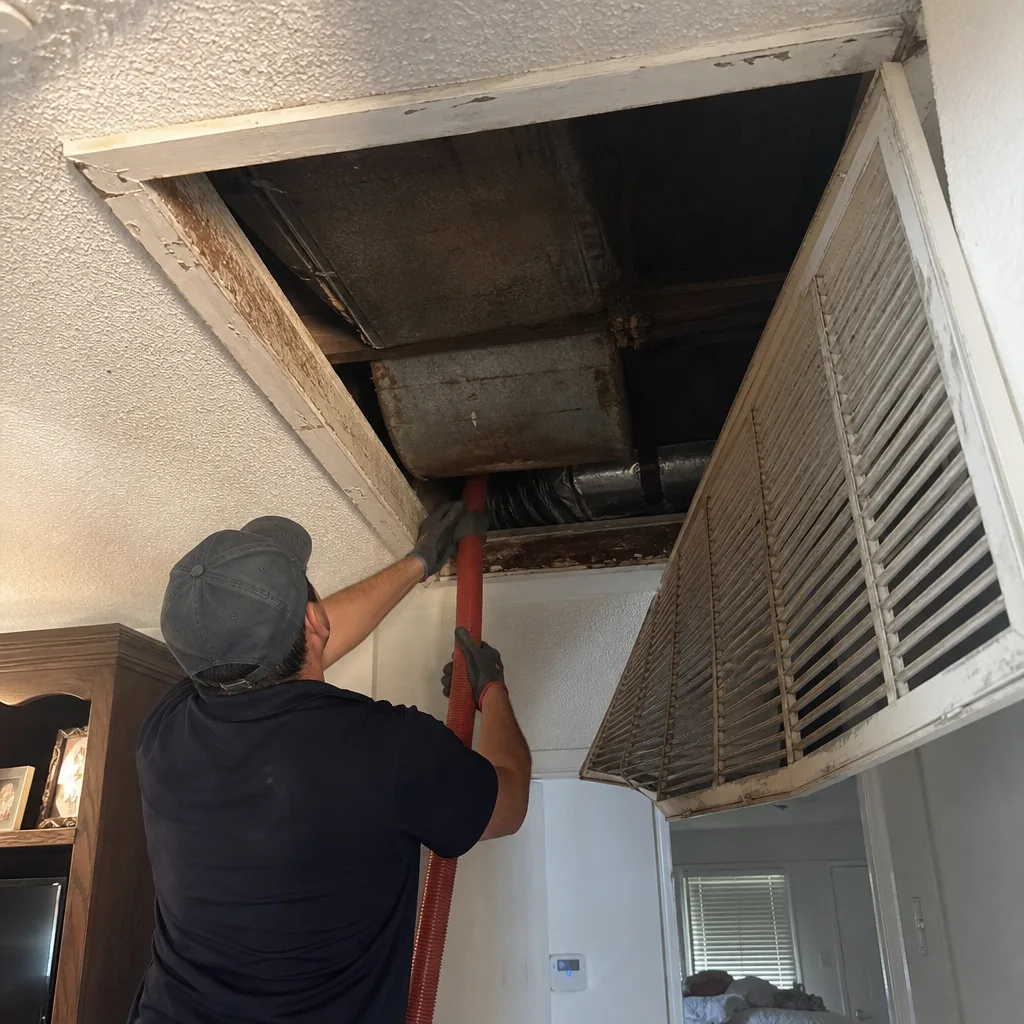 Before
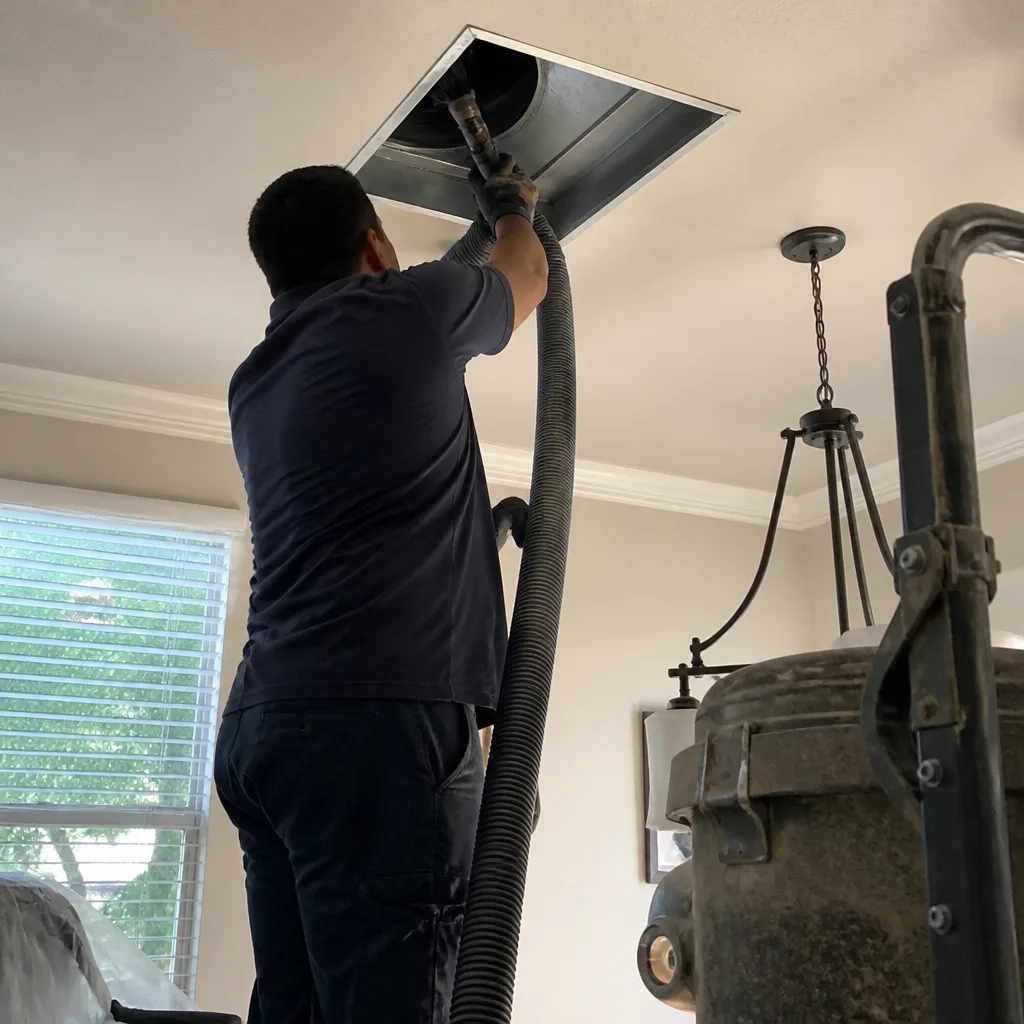 After
After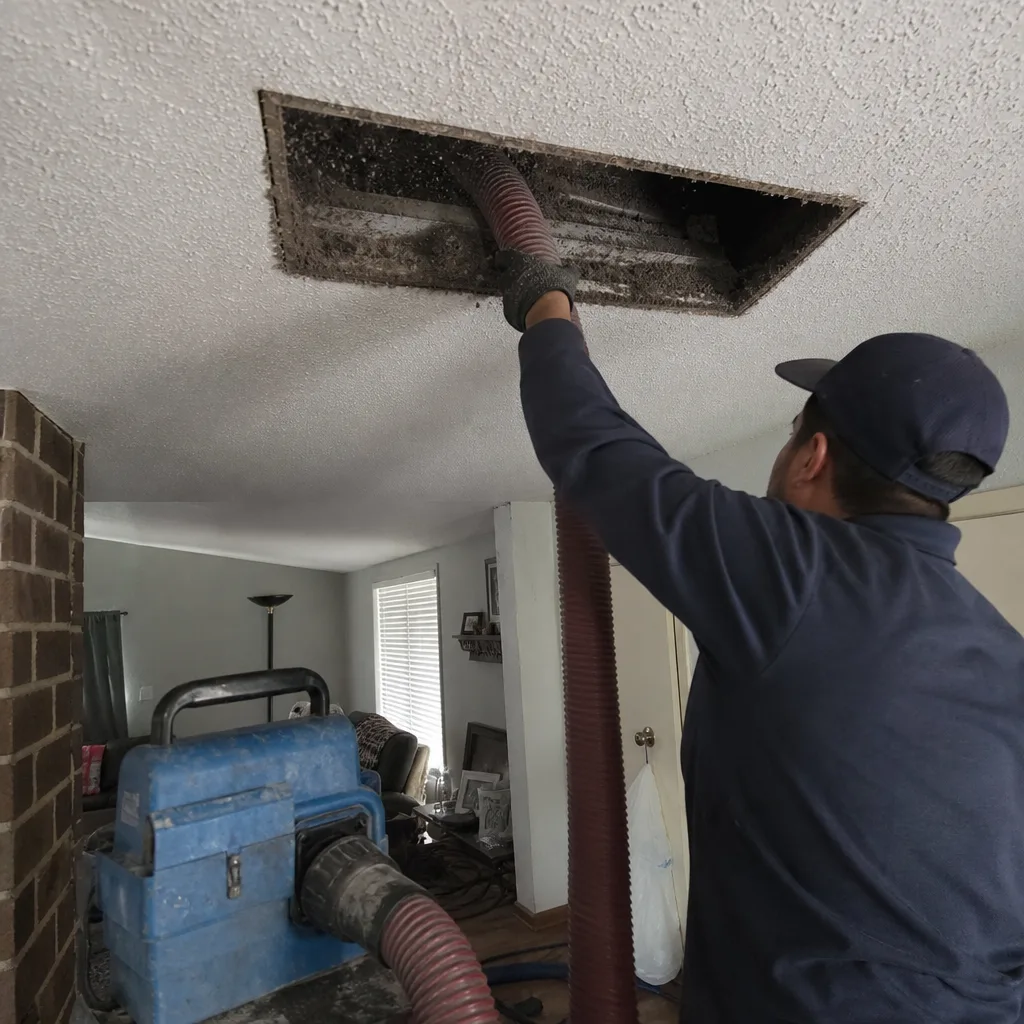 Before
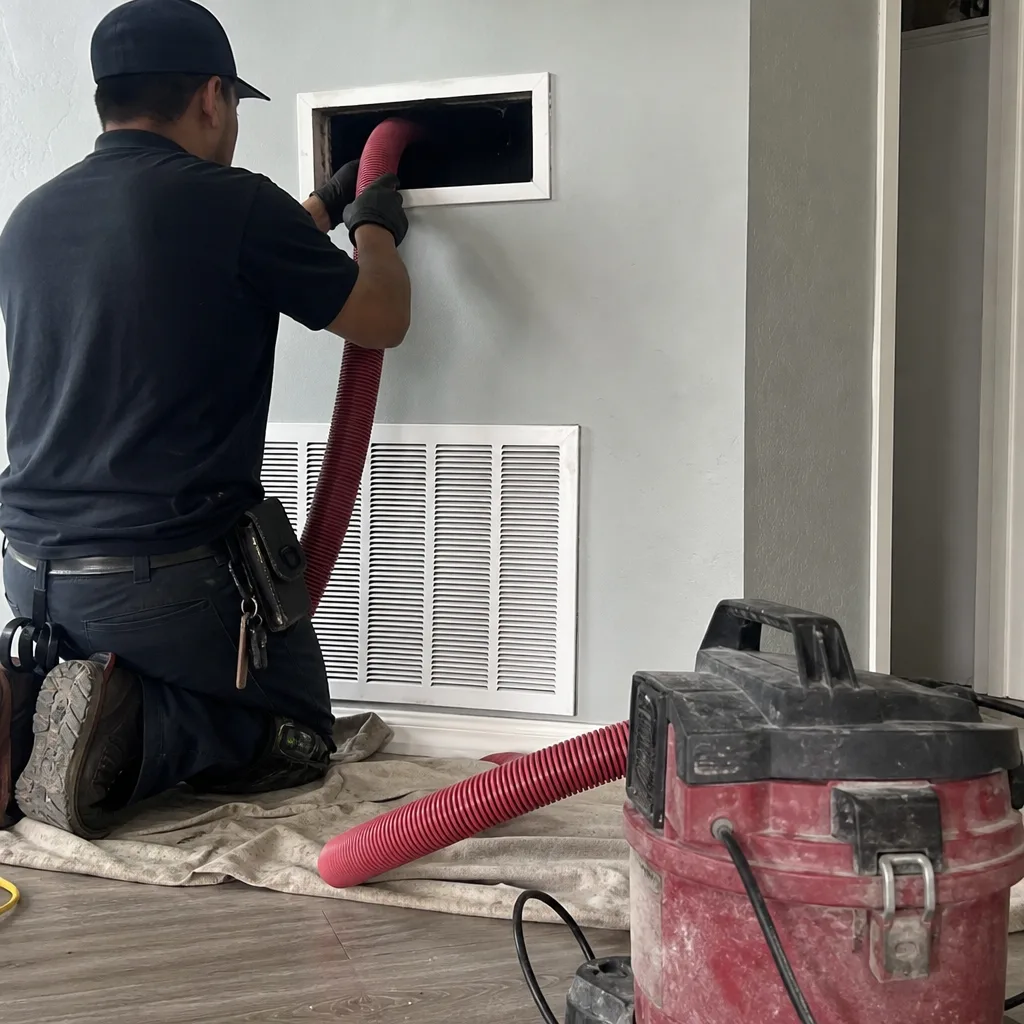 After
AfterDIY or Call Us?
You can absolutely inspect your own duct joints. Look for peeling tape, visible gaps, and black dust streaking around connection points. What you can’t safely do is seal a joint properly from inside a 140-degree Fort Worth attic without the right protective gear, the right mastic formulation for your duct material, and an airflow meter to confirm the seal held. We’ve seen well-intentioned homeowners use standard foil tape from the hardware store, only to have it delaminate within six months because standard tape lacks the temperature rating of HVAC-grade fiberglass-reinforced tape.
Duct sealing itself isn’t inherently dangerous the way electrical work or gas line repair is. The risk is doing it halfway, then spending a Fort Worth summer thinking it was handled while the same west bedroom bakes every afternoon. Call us at (682) 432-0424 and we’ll give you our honest read on whether it’s a simple reseal or whether something else in the duct run needs attention.
FAQs
HVAC-grade fiberglass-reinforced tape applied over cleaned, prepped surfaces with a mastic base lasts 10 to 15 years in a Fort Worth attic, while original factory seals on flex-duct connections typically begin deteriorating around year 8 to 12 because attic heat cycles accelerate adhesive breakdown. If you’re seeing peeling at year 7 or 8, that’s early but not unusual for an attic that hits 140 degrees in August. Call (682) 432-0424 and we can tell you whether it’s a full reseal or a spot repair, with the price quoted before we start.
Yes, when the failure is isolated to one edge or a short section of a joint, we can often clean the area, re-adhere with mastic and new tape, and confirm the seal with an airflow check without touching the rest of the duct run. The honest answer depends on how far the adhesive degradation has spread, and we’ll show you photos of what we found before we quote a repair versus a full reseal.
Most single-joint or two-joint reseals take 60 to 90 minutes on site, including set-up, surface prep, the sealing work, airflow verification, and the cleanup photo we send you before we pack up. Multi-joint jobs in low-clearance attics can run 2 to 3 hours. We work around nap schedules when you tell us, and we keep the tools quiet when there’s a toddler sleeping down the hall.
Yes, we keep Abatement-compatible collars, HVAC-grade reinforced tape, and water-based mastic on the truck in the common residential sizes: 6-inch, 8-inch, 10-inch, and 12-inch. If your duct run uses an unusual size, we’ll source the right part from our Abatement Technologies supplier, and the written quote covers the second trip so there’s no surprise charge. We also stock sealing parts compatible with Lennox, Trane, and Carrier systems, so one call covers most ductwork in Fort Worth.
Call Morton’s for Abatement Technologies Duct Sealing & Repair in Fort Worth
If you’ve got a failed duct seal, a room that won’t cool, or just noticed peeling tape on an exposed joint, call us at (682) 432-0424. You’ll get a real person on the line, a straight answer about what we think is wrong, and a written price before anyone steps foot in your attic. We’ll bring the right Abatement-compatible materials, shoe covers for the floors, and a drop cloth for the work area. And when we’re done, you’ll have photos of the sealed joints and a clean space before we leave. I tell you what I’ll do, and then I do exactly that, nothing more on the invoice, nothing less in the work.
Written by Paul Adeyemi, Owner, Morton’s Air Duct Fort Worth at Mortons Air Duct Fort Worth, serving Fort Worth and nearby areas.