
Last updated October 15, 2026
 Whole-home duct cleaning
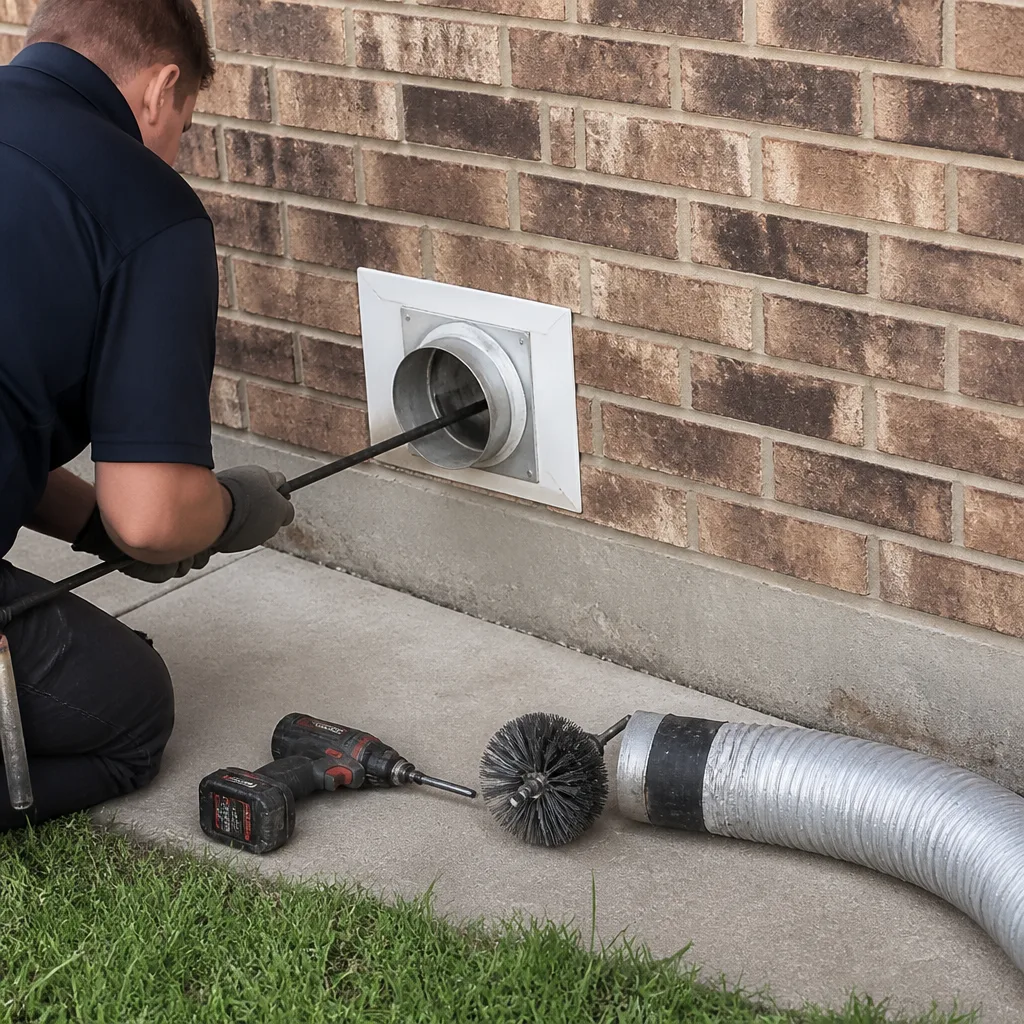
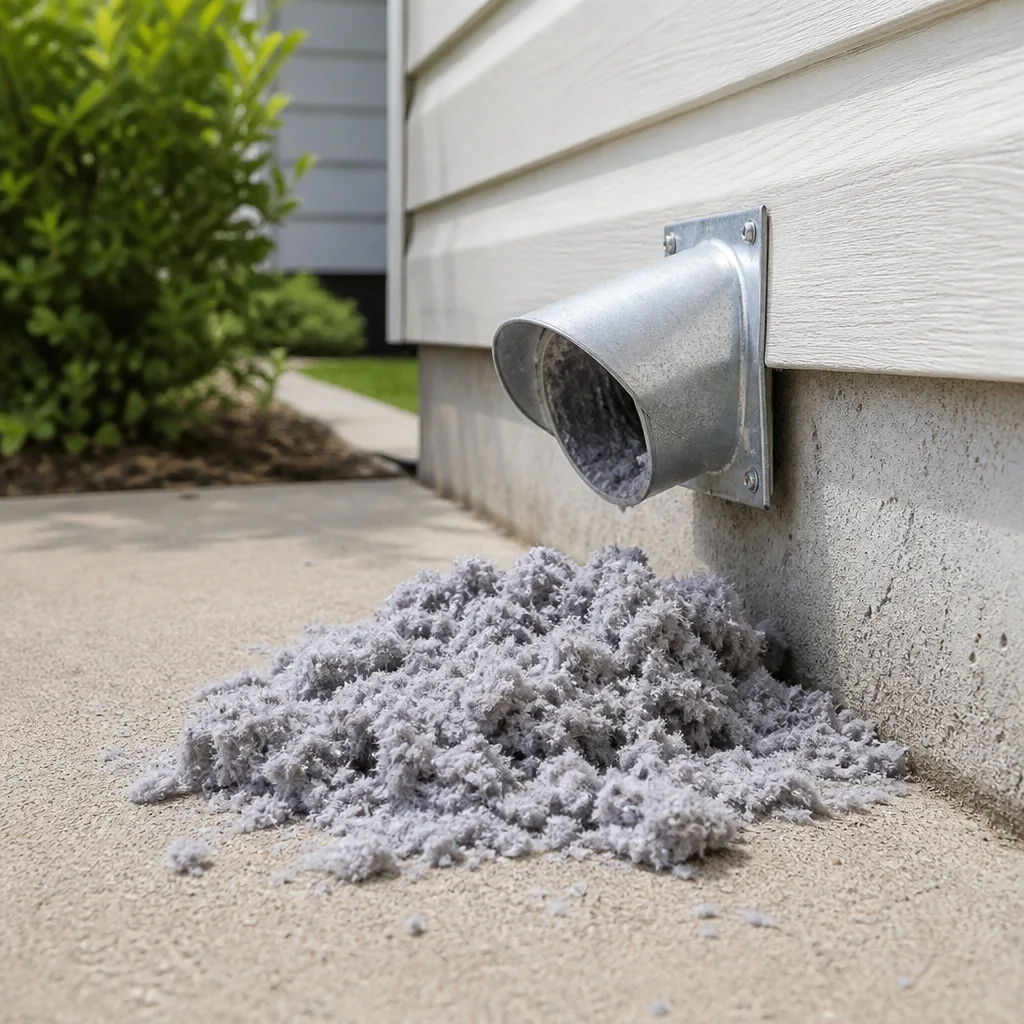 Dryer vent cleaning
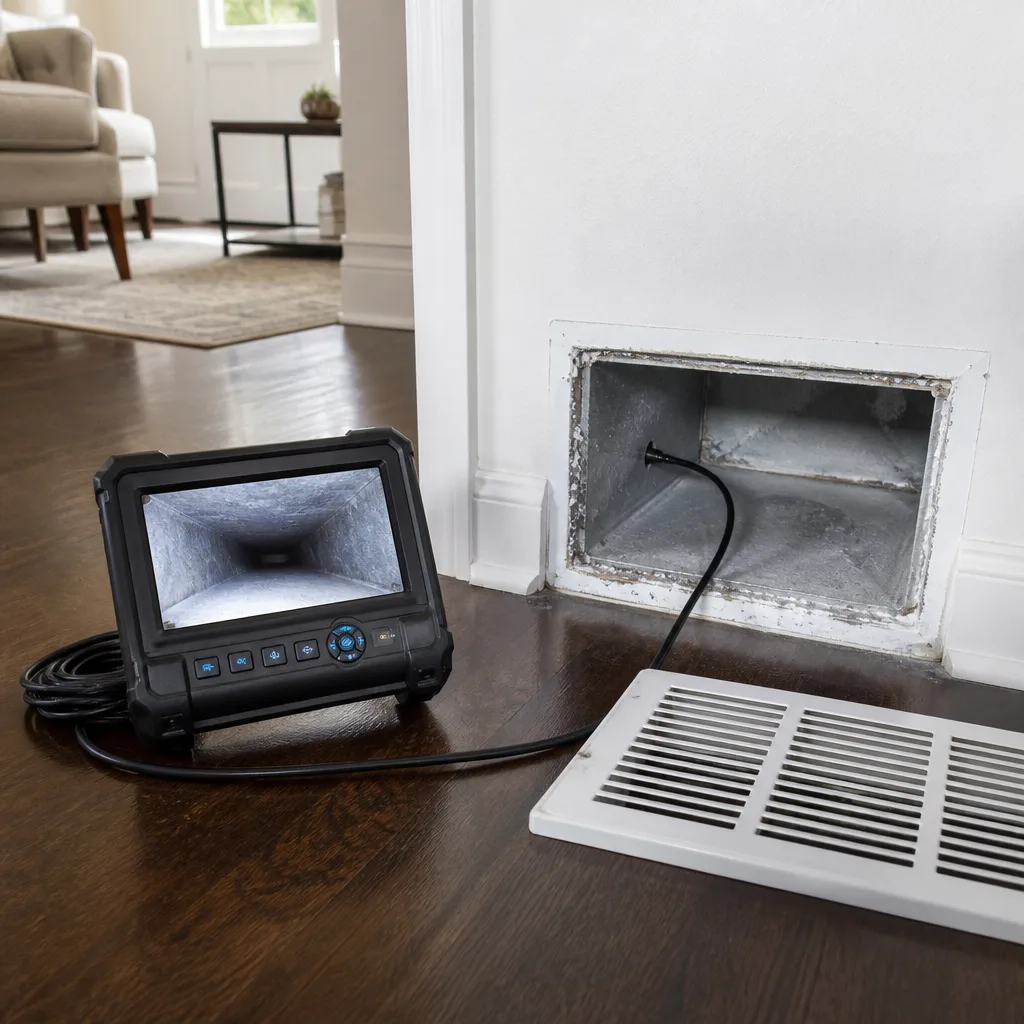 Camera inspection
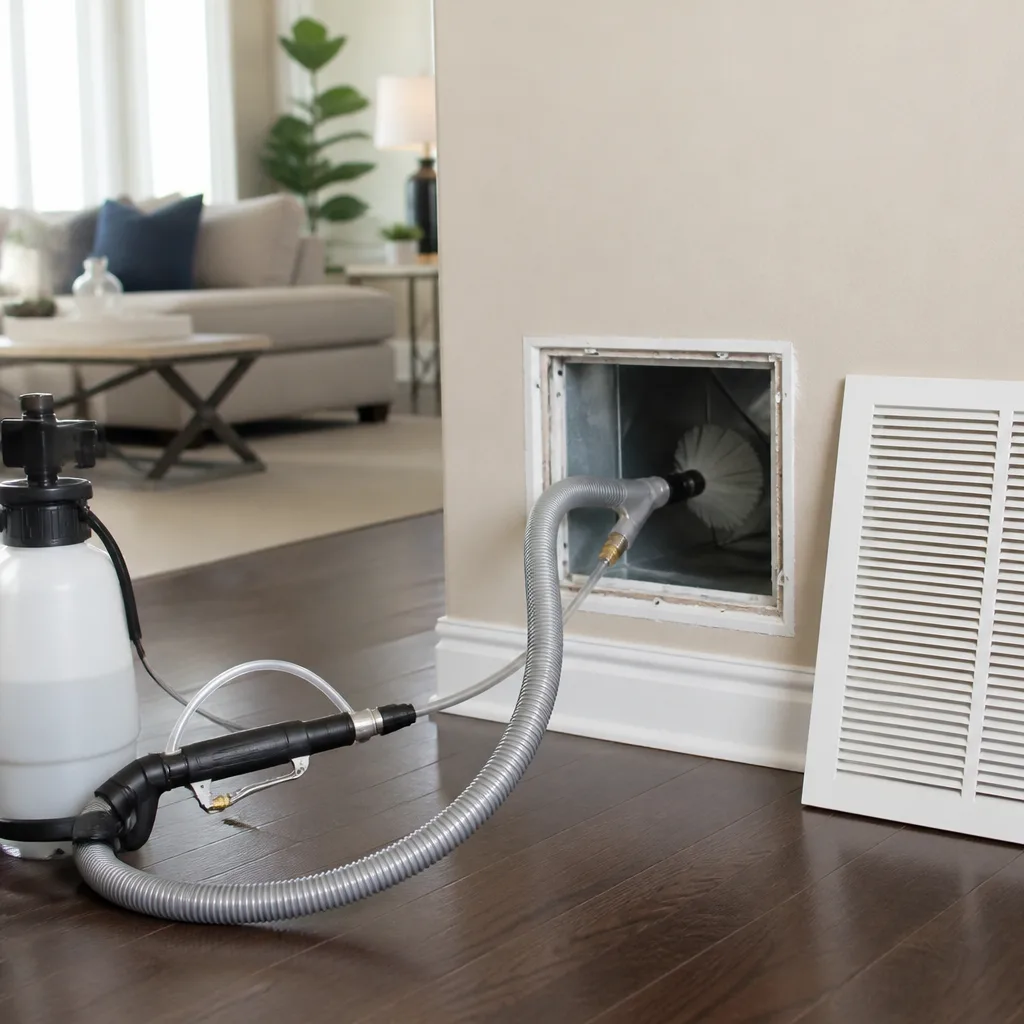 Sanitizing & deodorizing
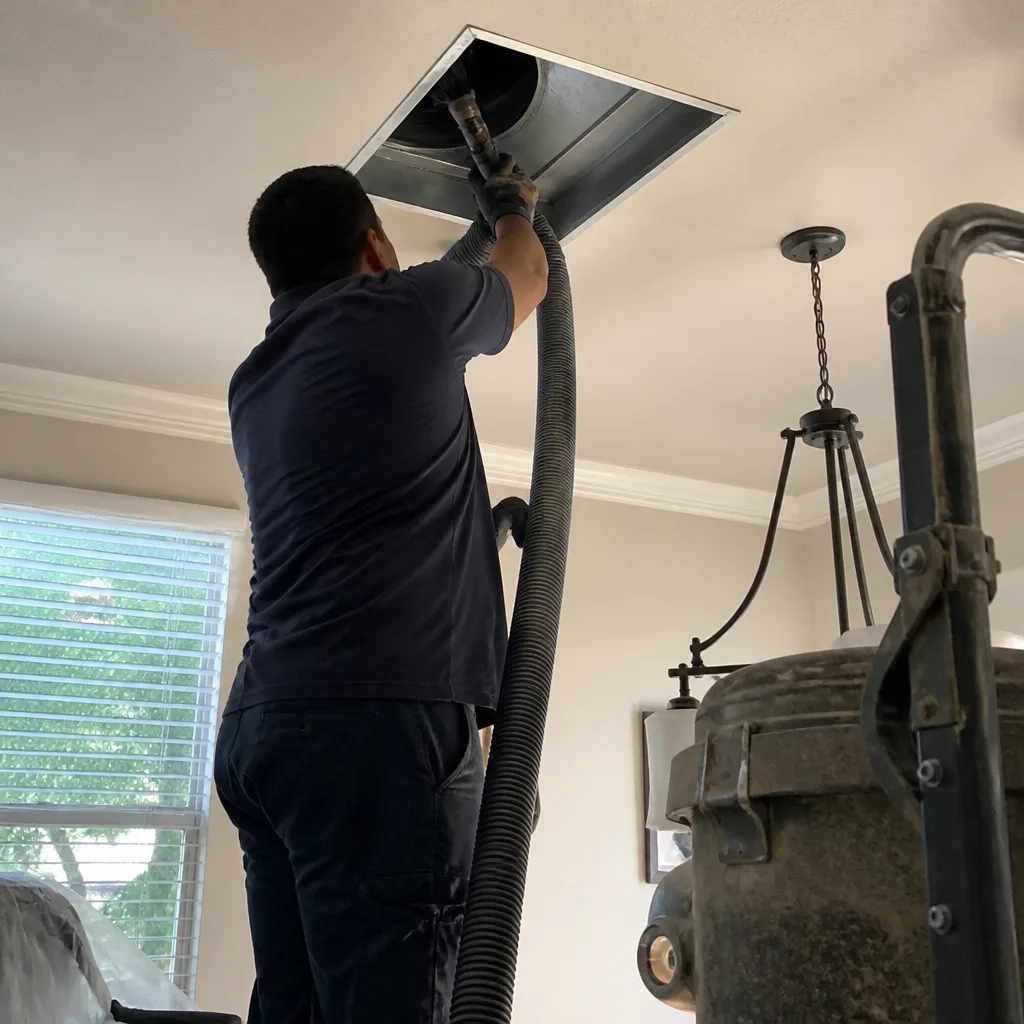
Whole-system duct and dryer vent check with before-and-after photos - you see exactly what came out of your vents
That "$99 whole-house special" is a bait ad - the real number appears once they are in your hallway, or the "clean" is a shop-vac at the register. We photograph the inside of your ducts before and after instead.
Seasonal Air Duct Cleaning Care for Fort Worth: Year-Round Homeowner’s Guide
Fort Worth doesn’t experience four equal seasons. It experiences cedar season, storm season, 100-degree season, and a brief window of reprieve before the cycle repeats. Each of those stretches does something distinct to the duct system inside your walls, and most seasonal maintenance advice reads like it was written for Ohio. It wasn’t. This guide explains what North Texas weather actually does to your air ducts month by month, what to inspect, when to clean, and how to build a record that makes every future service visit more informed. If you own a home in Fort Worth, this is the year-round plan your HVAC system wishes you had.
Styles & brands we work with
Quick Answer
Seasonal air duct cleaning in Fort Worth costs between $285 and $485 for a typical single-system home and is best scheduled twice: once in spring after cedar season and storm debris have settled, and once in fall before heating season begins. Attic temperatures above 140°F, winter cedar pollen, and spring storm debris each create distinct duct problems that homeowners can spot early with simple inspections. A written price before work starts, a 365-day follow-up guarantee, and before-and-after photos of your own ducts are the three signals you’re working with a reputable Fort Worth company.
Table of Contents
- Winter (December – February): Cedar Season and the Return-Vent Problem
- Spring (March – May): Storm Debris, Infiltration, and the Startup Risk
- Summer (June – September): 140°F Attics and Flex Duct Degradation
- Fall (October – November): The Optimal Cleaning Window Before Heating Season
- Building a Seasonal Log: Patterns Beat Single Moments
- Common Mistakes to Avoid
- When to Call a Professional
- Frequently Asked Questions
- The Bottom Line
Winter (December – February): Cedar Season and the Return-Vent Problem
Fort Worth’s winter temperatures hover in the 40s and 50s, but the air is anything but dormant. From December through February, mountain cedar pollen blows in from the Hill Country and the Cross Timbers, and it doesn’t stay outside. It rides in on jacket sleeves, dog fur, and the soles of every pair of shoes that walks through the front door. Once inside, the return vents pull it into the duct system, where it settles along the interior walls and on the filter media. In our experience, by the first week of February, a standard one-inch filter in a Fort Worth home can carry a visible golden-brown film that most homeowners mistake for ordinary dust. It’s cedar pollen, and it’s now circulating through every room.
The dominant duct threat in a Fort Worth winter is not temperature. It’s airborne particulate load during the mildest season of the year. That means the single most valuable inspection you can do in January is at the return vent. Pull the grille, look at the filter, and note the color. If it’s tan or brown rather than gray, cedar pollen is the likely culprit, and it has already begun accumulating deeper in the system. Because Fort Worth homes rely heavily on ceiling returns in hallways, pollen tends to concentrate in the return trunk line first, then distribute gradually to supply runs as the blower cycles.
Here’s what a winter inspection routine looks like step by step:
- Check the filter every 30 days from December through February. Cedar pollen clogs filters faster than the summer insect debris most people expect. A filter that looks dirty at 30 days is doing its job, but it needs replacement before the restriction starts taxing the blower.
- Look at the return grille itself. Pollen leaves a sticky residue, especially on painted metal grilles. If the grille surface feels tacky to the touch, particulate is accumulating inside the return boot and the trunk line.
- Note where your family spends the most time. In Fort Worth ranch-style homes, the central hallway return near the bedrooms is the highest-volume intake point in the house. If that grille is visibly coated, the duct cleaning conversation is already overdue.
- Run the system on fan-only for one hour. Then check the filter again. If it’s already showing a pollen line, you’re circulating indoor air that has not been fully cleaned, and a professional inspection with Rotobrush or Nikro equipment will show you exactly what’s sitting in the trunk line.
Winter is also the season when pet hair, dander, and the fine grit from Fort Worth’s clay-heavy soil combine with pollen to create a dense mat on the inside of return ducts. This isn’t an emergency. It’s a predictable annual pattern, and a homeowner who tracks it across two or three winters can see exactly when their system crosses from acceptable to needing service.
Cost context for Fort Worth: a full air duct cleaning of a single-family home in this market typically runs $285 to $485, depending on system size and the condition of the ducts. A return-side inspection during cedar season costs nothing if you do it yourself, and most Fort Worth duct companies will assess the system as part of an estimate. For a detailed look at what to expect, see our Air Duct Cleaning Cost Breakdown: The Fort Worth Homeowner’s Reference for 2026.
Seasonal note: If anyone in the house has February congestion that feels like a cold but lingers, the culprit may not be viral. Cedar fever is a real phenomenon in Fort Worth, and a clean duct system reduces indoor pollen recirculation. Cleaning won’t cure allergies, but it removes one layer of exposure inside the home.
For a deeper look at what a full system cleaning involves, start with the main service page for Air Duct Cleaning in Fort Worth.
Spring (March – May): Storm Debris, Infiltration, and the Startup Risk
Spring in Fort Worth brings two things simultaneously: the first sustained use of air conditioning after a winter of intermittent heating, and the severe weather season that runs from March through May. Hail, straight-line winds, and the occasional tornado produce a specific kind of duct contamination that most seasonal guides ignore entirely. When roof decking shifts, soffit vents flex, or flashing loosens, outside air enters attic spaces that are supposed to be sealed. That air carries silt, asphalt granule dust from shingles, and fine clay particles that settle directly onto the duct exterior and eventually find their way inside through small gaps at joints and boots.
Post-storm debris is the spring threat that gets missed because it doesn’t announce itself. A slow accumulation of shingle grit inside a supply run doesn’t blow a cloud of dust into the living room. It builds incrementally, and by the time it’s visible on a vent register, the interior of the duct has been carrying abrasive particulate through the blower and coil for weeks. In neighborhoods like Arlington Heights, TCU-Westcliff, and Wedgwood, where mature trees overhang rooflines, spring wind also carries leaf fragments, pollen from live oaks, and bark dust into attic cavities. All of it finds the same path: through the gap, into the duct, onto the coil.
A spring duct inspection in Fort Worth should address three specific questions, in this order:
- Did the system survive winter layoff intact? If your HVAC sat unused for weeks at a time during January and February, seals and tape joints dry out, especially in uninsulated attics. The first cooling cycle of spring is when disconnected joints reveal themselves, often as a room that won’t cool or a whistling sound inside a wall.
- Is there new outdoor infiltration? Walk the house perimeter after any severe storm and look at the soffit vents, the roofline, and the flashing. If you see fresh shingle granules in the gutters, some of them have likely found their way into the attic air volume. A duct inspection after a major storm is not paranoia; it’s the same reasoning as checking a roof for hail damage.
- What did cedar season leave behind? That pollen load from winter doesn’t disappear. It stays in the ducts until physically removed. Spring is the right time to clean because it addresses both the accumulated winter particulate and the fresh storm debris in a single visit.
When Morton’s Air Duct Cleaning opens a system up in April, what we typically see in Fort Worth homes is a layered cross-section: a base of gray household dust, a visible pollen band from the cedar season, and a fine grit of storm debris on top. The solution is the same professional cleaning we’d recommend in any season, but spring has a particular urgency because cooling season is about to put that air through the evaporator coil for months without pause.
A side benefit of spring cleaning: the system runs more efficiently when the coil isn’t fighting a layer of sediment. In a Fort Worth summer, that matters more than homeowners realize. Air duct cleaning won’t solve a failing compressor, but it removes one source of airflow restriction that forces the system to work harder.
Summer (June – September): 140°F Attics and Flex Duct Degradation
Fort Worth attics regularly exceed 140°F in July and August. That number matters because flexible duct liner, the insulated flexible tubing that connects your main trunk to the supply registers, is rated for continuous exposure at much lower temperatures. Prolonged heat cycles the polymer material, making it brittle from the inside out. In a milder climate, flex duct might last 20 years without visible degradation. In a Fort Worth attic, the same material can show internal cracks, pinholes, and separation at the connectors within a decade.
The failure mode that troubles us most in summer is a disconnected or torn joint discovered in August. That’s when the attic is at its hottest, the cooling load is at its peak, and losing conditioned air into a 140°F attic means the system runs longer to hold temperature while the family wonders why the July electric bill doubled. Flex duct that pulls apart at a collar during a heat wave sends cool air into the attic, not the bedroom. The house still cools, eventually, but the unit works far harder to do it.
How do you spot early flex duct degradation before it becomes a summer emergency?
- Look at the visible returns. If flex duct is exposed in any garage chase or utility closet, look at the outer jacket. Fraying, discoloration, or visible cracking in the Mylar or foil layer is the first sign the inner liner has been overheating.
- Listen for changes in airflow. A room that cools fine in June but struggles in August, while others stay comfortable, often points to a duct issue, not a unit issue. The compressor is fine; the air is just leaving the system in the wrong place.
- Check the temperature consistency. Walk the house and feel the supply registers. If one register blows noticeably warmer air than its neighbors, there’s a leak or a disconnection between the trunk and that register.
- Watch the blower. A system with a duct leak pulls attic air into the return side, which means the blower is moving hotter, dirtier air across the coil. The result is faster coil fouling and an even earlier service call.
Summer is the worst time to discover a disconnected joint because every hour lost makes the air conditioner work harder while attic temperatures sit at their most extreme. We recommend seasonal duct inspection in late spring, before the first sustained 95°F stretch, so any joint separation can be repaired while the attic is merely uncomfortable rather than dangerous. If you’re reading this in July and suspect a problem, don’t wait. A qualified technician with proper attic safety equipment can inspect and repair a run in a single visit.
This is also the season when a duct cleaning makes the most measurable difference in indoor air quality. Fort Worth families keep windows closed and the AC running for months at a stretch, which means every particle in the duct system is being recirculated continuously. A clean system in June is a comfortable system in August.
Fall (October – November): The Optimal Cleaning Window Before Heating Season
If you only schedule one duct cleaning a year in Fort Worth, make it October or November. There are three reasons. First, the weather is mild enough that you can open windows and air out the house during or after the cleaning without fighting a 100°F heat index. Second, the system has just completed a full summer of near-continuous runtime, which means weeks of accumulated dust, skin cells, pet dander, and insect debris have been pulled through the returns and deposited throughout the system. Third, cleaning in fall gives your furnace a clean start before the first cold snap, which in Fort Worth can arrive without much warning in late November.
Fall inspection differs from spring inspection in one important way: you’re now looking at the furnace end of the system. In spring, the concern is the evaporator coil and the supply runs that carry cool air. In fall, the attention shifts to the heat exchanger, the blower compartment, and the return ducting that feeds air into the furnace for warming.
Step-by-step fall inspection for Fort Worth homeowners:
- Turn the thermostat to heat and let the system run for 10 minutes. Listen for any smell. A faint dusty smell on first startup is normal and burns off quickly. A smell that persists or smells like burning rubber or plastic is worth a professional look before full heating season.
- Inspect the furnace cabinet. Dust that accumulated on the blower housing and control board during summer is now being heated. In a worst case, that dust layer becomes a burning smell and a fire hazard. In a typical case, it just shortens blower motor life. Both argue for cleaning before the furnace runs daily.
- Check the return duct leading into the furnace. This is typically the dirtiest section of any Fort Worth system after a full summer. Pet hair and dust concentrate here. If you can see an accumulation line building on the inside of the return boot, the return side needs attention before heating season.
- Schedule the fall cleaning before Thanksgiving. By late November, Fort Worth duct companies are booked preparing homes for holiday guests and the first real cold front. October is wide open and more convenient.
Fall is also when we recommend a dryer vent inspection as a companion service. The two systems are separate but share a common failure pattern in Fort Worth: cellulose lint accumulating through summer, then drying out and becoming highly flammable in the low-humidity air of late autumn. A Dryer Vent Cleaning in Fort Worth in October protects against a winter fire risk that most families don’t think about until it’s on the news. If you’d like a complete reference guide, the main Mortons Air Duct Fort Worth home page links to both air duct and dryer vent resources.
The fall cleaning window is also the time to ask about your filtration setup. Brands like Honeywell and Aprilaire make media cabinets and pleated filters that perform measurably better than fiberglass throwaways in Fort Worth’s dusty climate, and a fall service visit is a natural moment to upgrade. We don’t push upsells; we answer questions, and the filter question is the one we hear most often in October.
Building a Seasonal Log: Patterns Beat Single Moments
One of the most useful things a Fort Worth homeowner can do is keep a seasonal log of duct system observations. The value isn’t in any single entry. It’s in the pattern that emerges across two or three years. When a technician knows that your return side has been building pollen faster in February of every year since 2022, that changes the recommendation. When a homeowner can say “last August I noticed the master bedroom was 4 degrees warmer than the hallway, and it went away in October,” that’s diagnostic gold.
A seasonal log doesn’t need to be elaborate. A page in a notebook, a note file on your phone, a simple spreadsheet. The key is consistency: same four seasons, same five observations, every year. Here’s the structure we suggest:
- Winter: Filter condition at 30 days, pollen visible on the return grille, any family member with February congestion.
- Spring: Any storm events with roof or soffit damage, startup behavior when AC first runs, dust level on supply registers.
- Summer: Peak August indoor temperature by room, any rooms that lag, any new sounds from the system, blower runtime pattern.
- Fall: Startup smell from the furnace, condition of the return boot at the furnace, any visible duct issues in the garage chase or attic.
Bring that log to your next cleaning or inspection. A good technician will read it before touching anything, because it provides context that no camera inspection can capture. In our experience at Morton’s Air Duct Cleaning, the homes with the best long-term air quality are not necessarily the ones cleaned most often. They’re the ones observed most carefully. The family that tracks a winter pollen pattern and a summer cooling imbalance across two years ends up with a cleaner system, a longer equipment life, and a far more accurate picture of when they actually need professional service.
Paul Adeyemi, who has owned Morton’s since its founding in 2005, puts it this way: “A duct system tells a story. The job is to listen over time, not just look once.”
Common Mistakes to Avoid
- Assuming “shoulder season” means no maintenance. October and April in Fort Worth are the highest-value inspection months precisely because the system is transitioning. Skipping them means discovering problems at the worst possible time, like a flex duct separation in 140°F attic heat.
- Treating cedar fever as just an outdoor problem. Cedar pollen enters the home on clothes, hair, and pets, then circulates through the ducts for weeks. If the indoor pollen load isn’t addressed, symptoms persist even with windows closed and a clean filter.
- Ignoring the dryer vent because it’s a separate system. Fort Worth’s dry autumn air turns accumulated lint into a fire risk. A chimney sweep doesn’t clean dryer vents, and an HVAC tune-up doesn’t either. It’s a dedicated service that gets overlooked until there’s a problem.
- Using cheap fiberglass filters year-round. In a climate with Fort Worth’s dust load and cedar pollen count, a one-inch fiberglass filter leaves the duct system and coil to trap what the filter misses. Media filters from Honeywell or Aprilaire do a better job and reduce the frequency of professional cleanings.
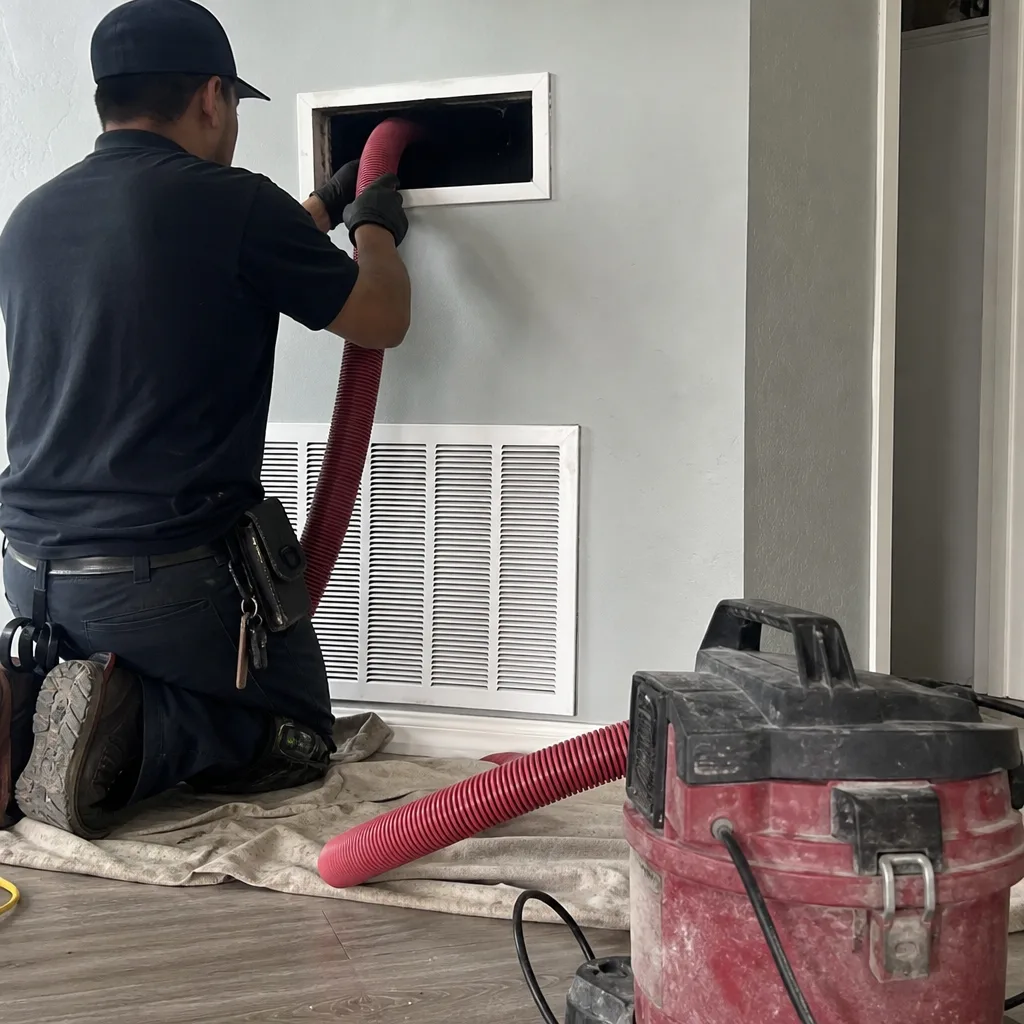
- Scheduling a cleaning without asking about the process. A company that quotes $99 and shows up with a shop vac is not doing the same job as a professional using Rotobrush or Nikro agitation equipment with a HEPA vacuum. Ask what equipment is used, ask about the written price policy, and ask for before-and-after photos of your own ducts.
- Waiting until you can see dust on the registers. By the time dust is visible at the supply register, the duct interior has been accumulating debris for months or years. Fort Worth’s clay-heavy soil and constant construction produce a baseline dust load that makes visible registers a lagging indicator, not an early warning.
When to Call a Professional
Some duct issues are visible and treatable with a filter change and a walkthrough. Others require professional equipment and a trained eye. Call a professional when you observe any of these in your Fort Worth home: persistent dust on furniture within days of cleaning, rooms that consistently lag the rest of the house by more than 3 degrees in summer, a musty or burning smell from the vents that doesn’t fade after a few cycles, visible mold or heavy accumulation inside the return boot, or a renovation project that has coated the house in drywall dust. Also call if you’ve never had the system professionally inspected in a home you’ve owned for more than three years, or if you’re buying a Fort Worth home and want the ducts assessed before move-in. Mortons Air Duct Fort Worth offers free estimates in Fort Worth. Call (682) 432-0424 to have a technician answer your specific questions or schedule a visit.
Frequently Asked Questions
Air duct cleaning in Fort Worth typically costs between $285 and $485 for a single-system single-family home, depending on the number of vents, the condition of the ducts, and whether dryer vent cleaning is added. Morton’s provides a written price before any work starts, so you’ll know the exact cost before the crew ever enters the house. Call (682) 432-0424 for a free estimate on your specific home.
Some companies bait with a low per-vent or flat teaser price, then add charges once the technician is in the attic, often citing mold, sanitizing, or “additional returns” discovered during the inspection. That’s why Morton’s quotes one flat price per system, in writing, before work begins, and honors it. If a quote feels too good to be true in Fort Worth, it usually is.
At Morton’s, every completed job includes a photo of the clean-up before the crew leaves, and our 365-Day Done Right Promise means if it’s not done right, we make it right. Ask any company you’re considering for before-and-after photos of your own ducts, not stock images. A reputable Fort Worth duct cleaner will show you exactly what came out of your system.
In Fort Worth’s dusty, high-pollen climate, most homes benefit from professional cleaning every 3 to 5 years, with homes that have multiple pets, recent renovation, or family members with allergies leaning toward the shorter end of that range. The best rhythm is to track seasonal observations and let the condition of the system, not the calendar, guide the timing. Call (682) 432-0424 and we’ll help you assess where your system falls.
You can change filters, clean return grilles, and vacuum visible dust at the register openings. But the duct interiors, trunk lines, and evaporator coil require professional equipment to clean properly. A shop vac and a brush from a hardware store cannot reach the full length of a duct run, and disturbing accumulation without proper containment can release more particles into your living space than it removes.
Duct cleaning removes the indoor reservoir of cedar pollen that accumulates during winter and recirculates through the home, which reduces one source of allergen exposure. It won’t cure cedar fever or eliminate outdoor pollen, but it does mean your home isn’t adding to the problem during the months when the AC runs most. Families with seasonal allergies often schedule cleanings in spring for exactly this reason.
Spring and fall are both ideal. Spring addresses the winter cedar load and storm debris before cooling season, while fall prepares the system for the furnace and closes out a full summer of heavy runtime. Both seasons offer mild enough temperatures that the cleaning crew isn’t fighting extreme attic heat, and both allow you to open windows and air out the house during the service.
The Bottom Line
Fort Worth’s weather creates a duct maintenance calendar that generic national advice never addresses. Winter brings cedar pollen that accumulates in returns. Spring delivers storm debris and the first true test of joints that endured the winter. Summer subjects flex duct to 140°F attic temperatures that accelerate degradation. Fall offers the best window for a full system clean before the furnace takes over. A seasonal log that tracks filter condition, room temperature, and visible duct issues across years gives any technician the context to catch problems early. And when it’s time for professional service, a written price, a 365-day guarantee, and before-and-after photos are the three non-negotiables in this market. Morton’s Air Duct Cleaning provides all three, and a live person answers the phone 24/7 at (682) 432-0424.
Written by Paul Adeyemi, Owner at Mortons Air Duct Fort Worth, serving Fort Worth since 2005.
See the difference
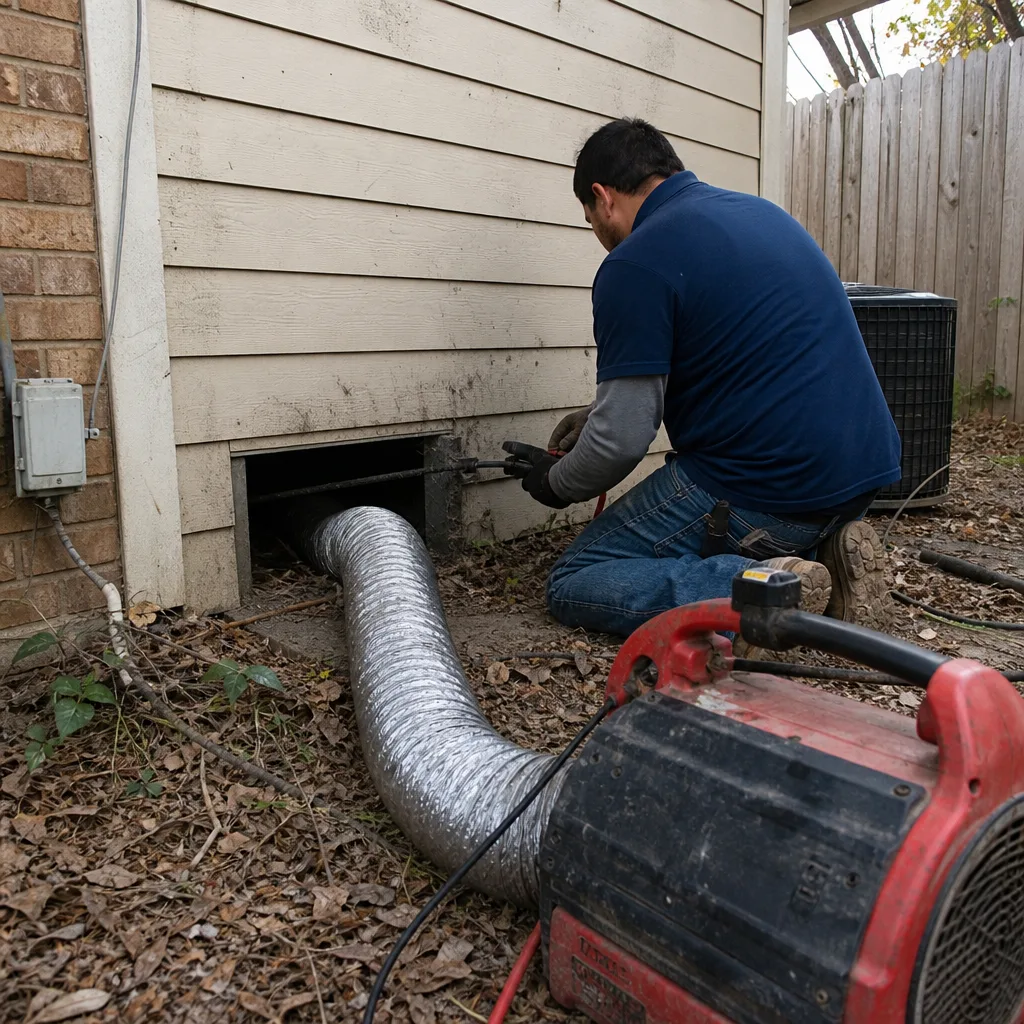 Before
 After
After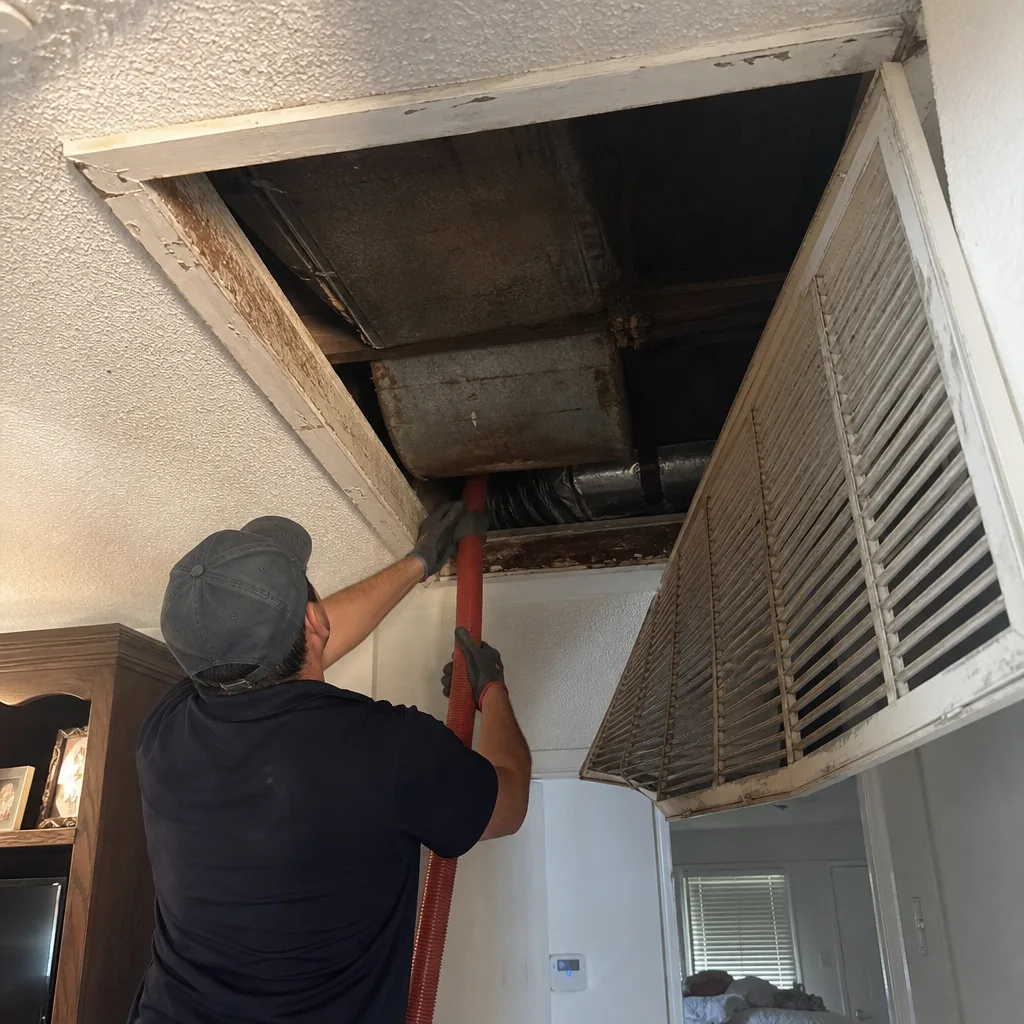 Before
 After
After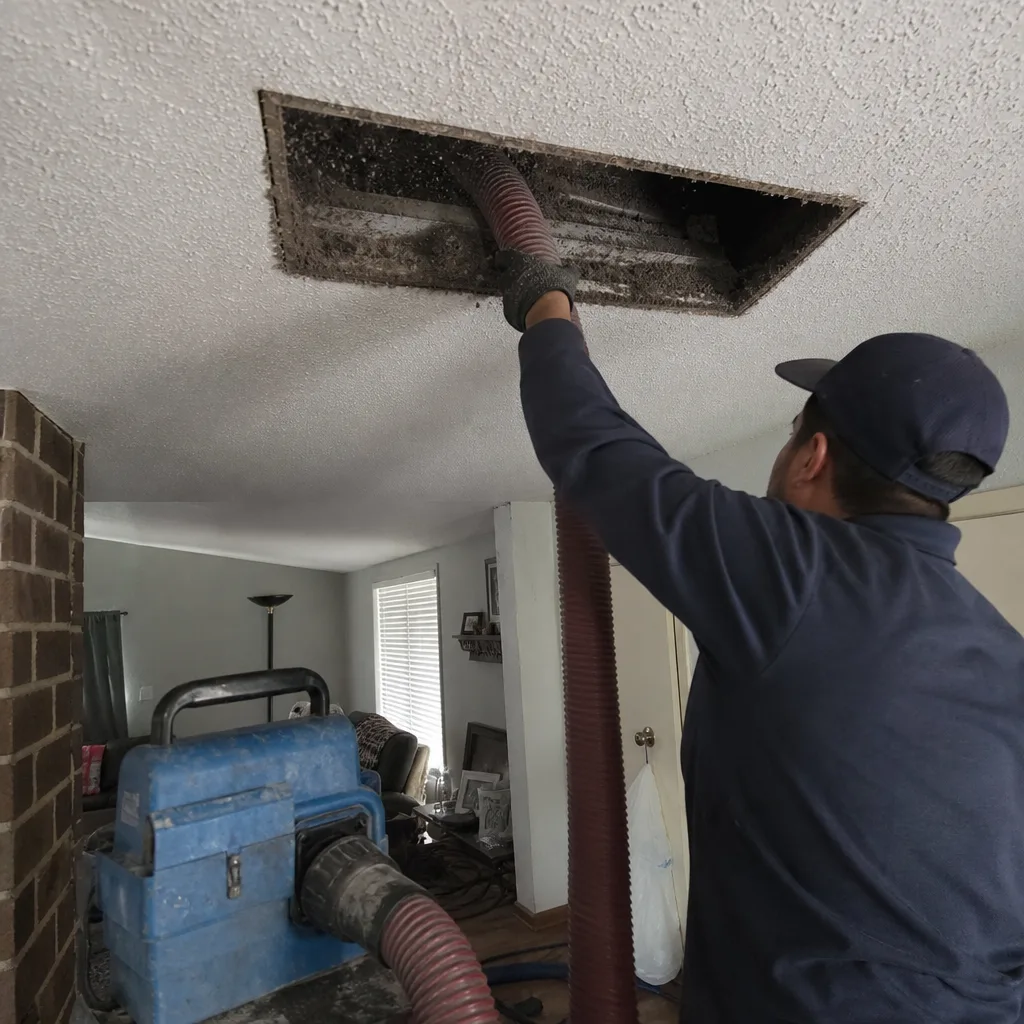 Before
 After
After