
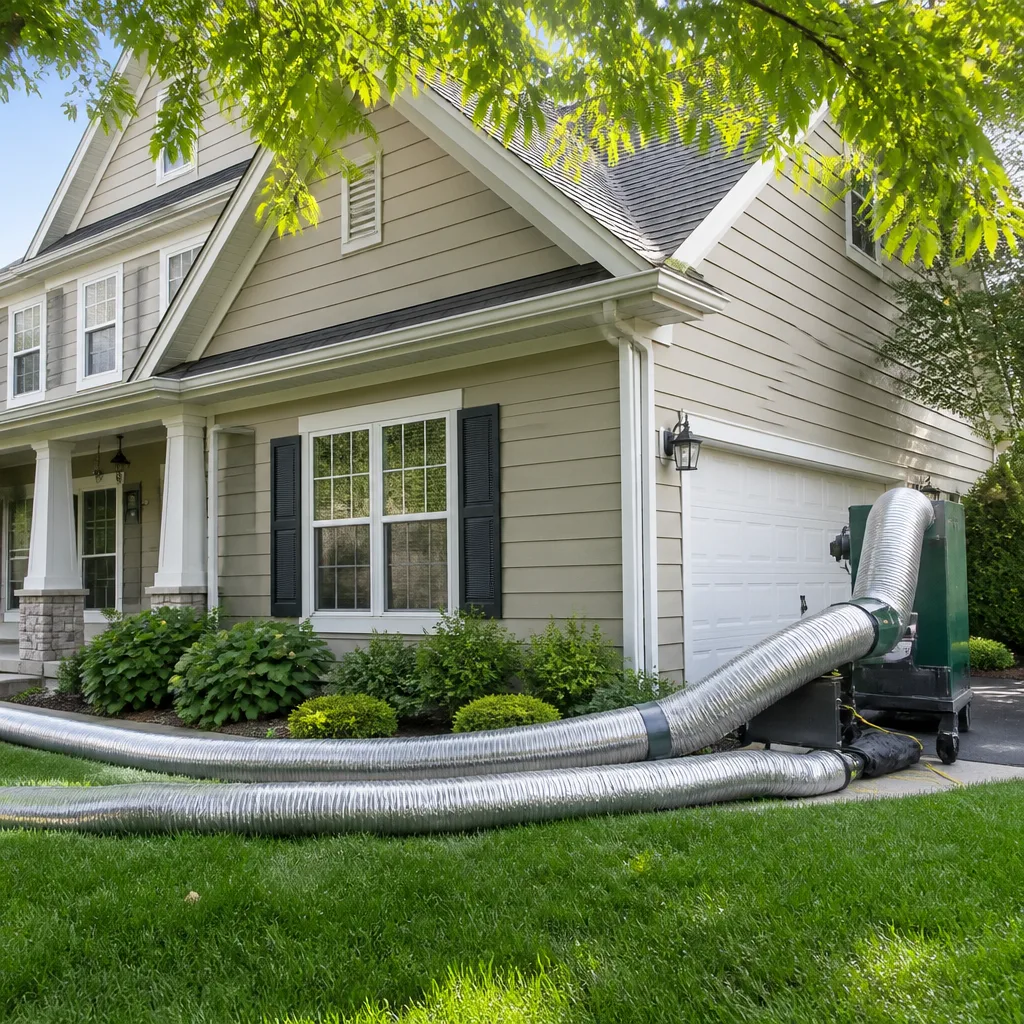
 Whole-home duct cleaning
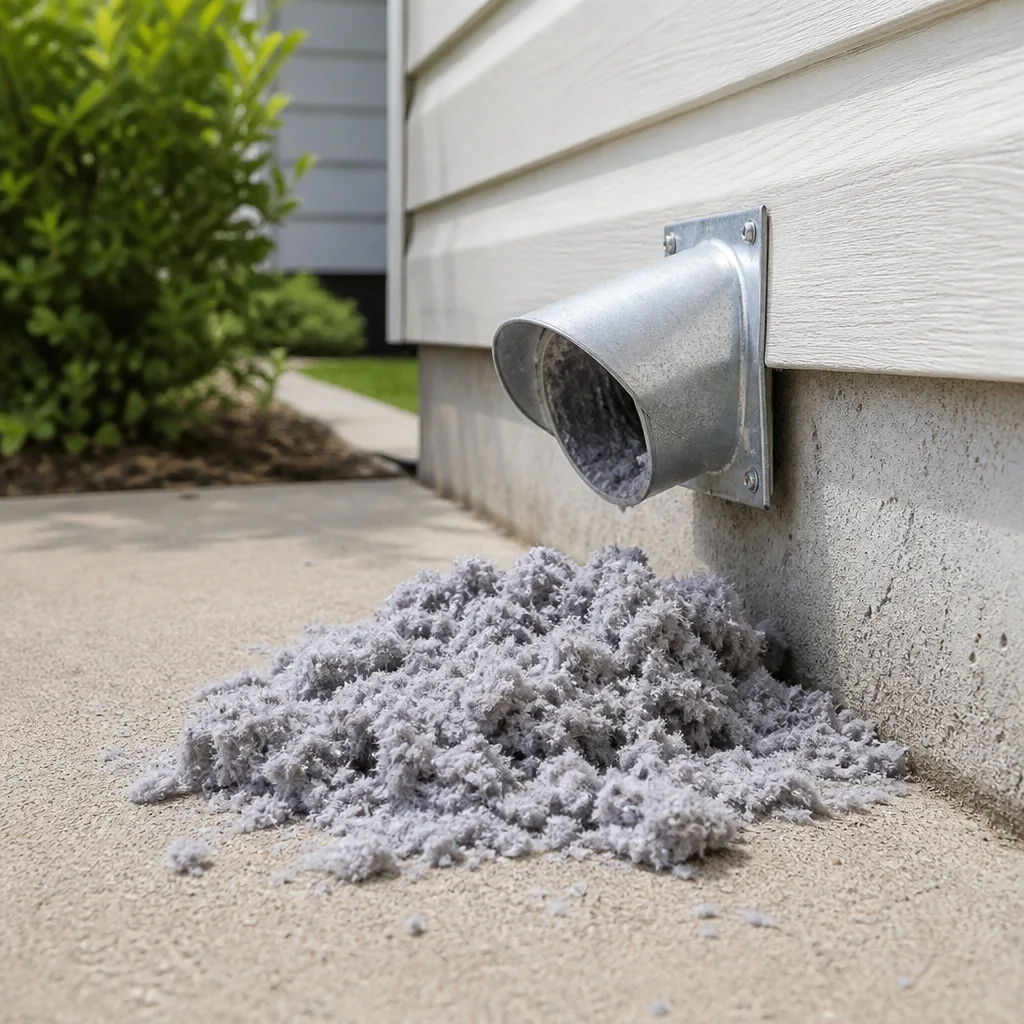 Dryer vent cleaning
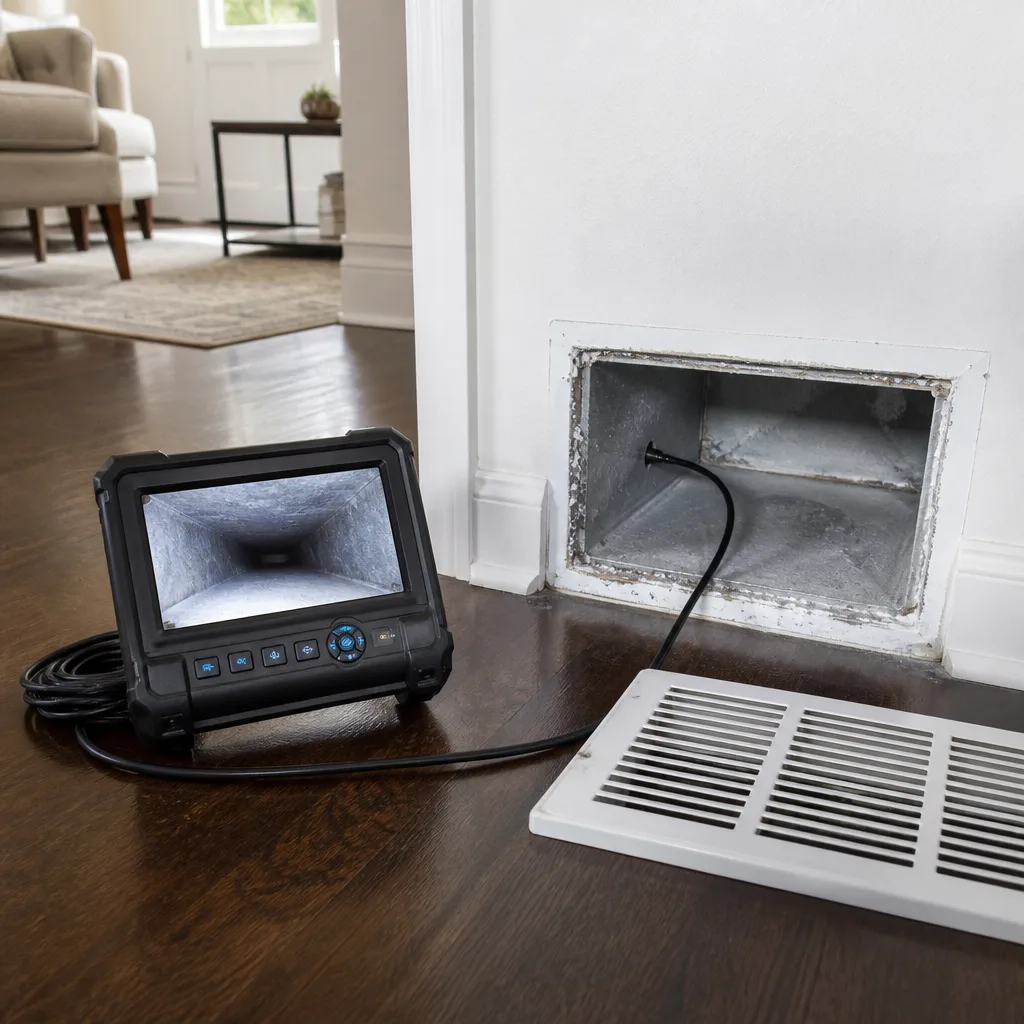 Camera inspection
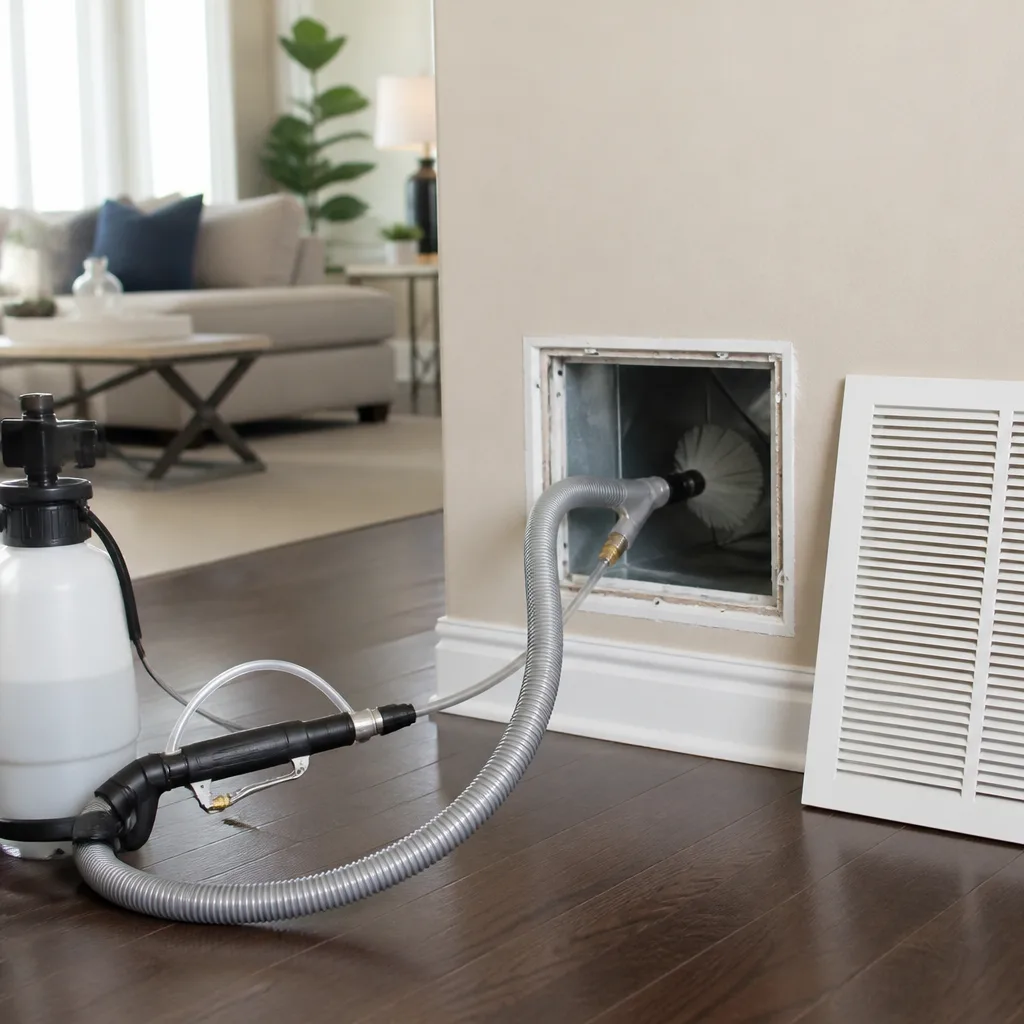 Sanitizing & deodorizing
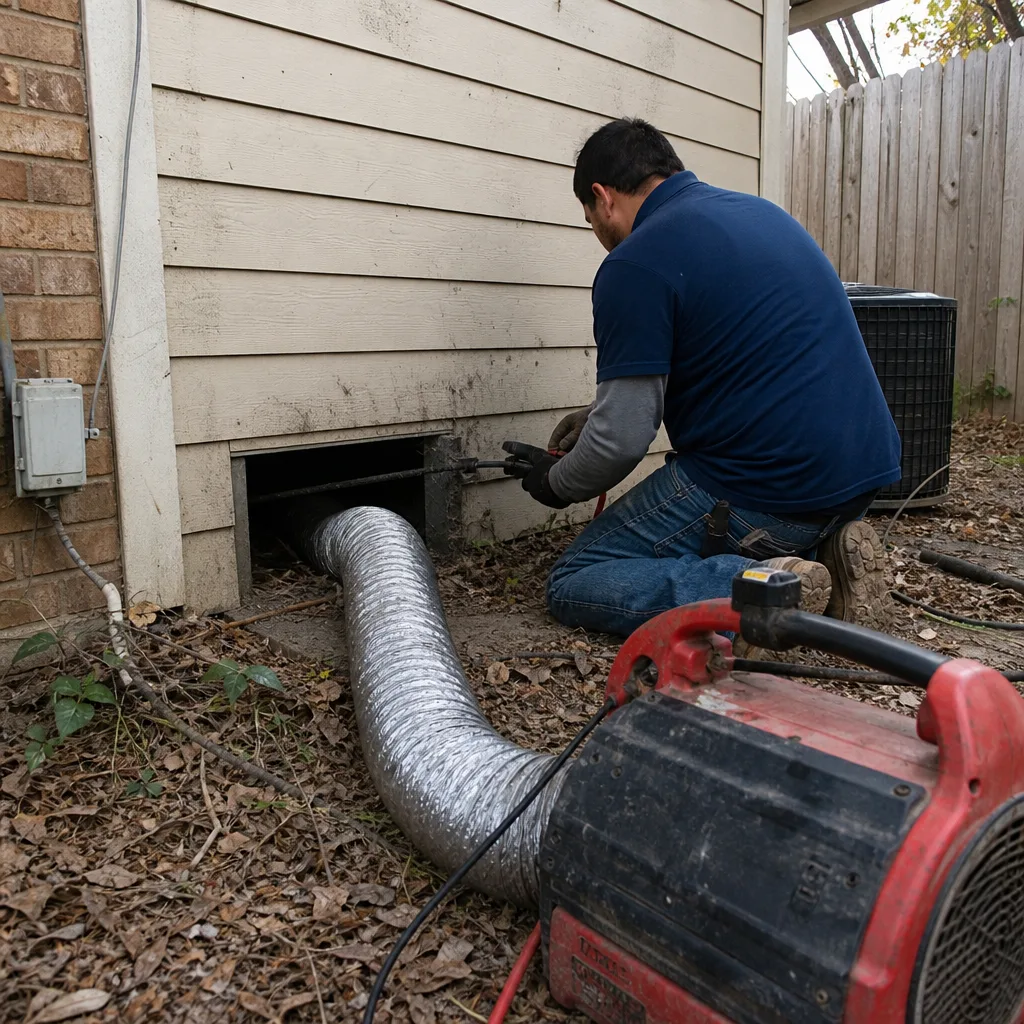
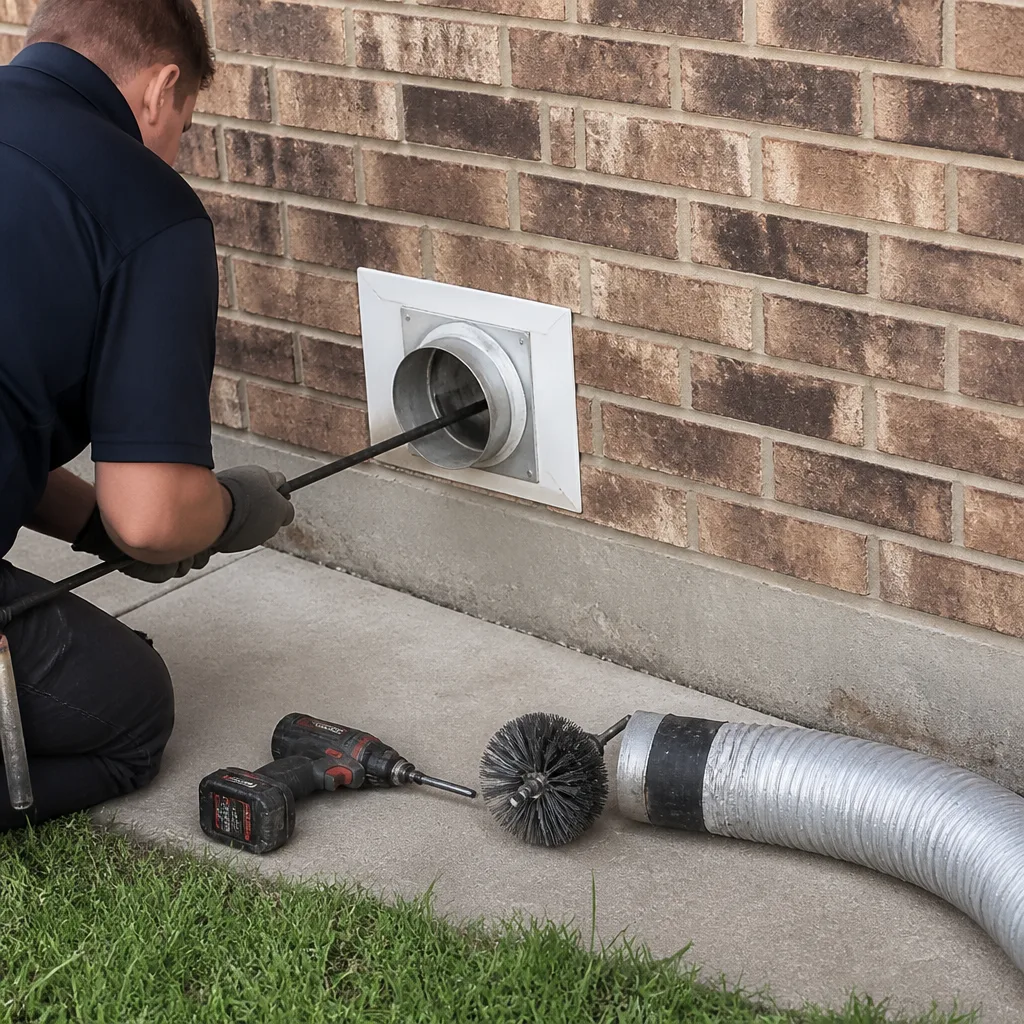
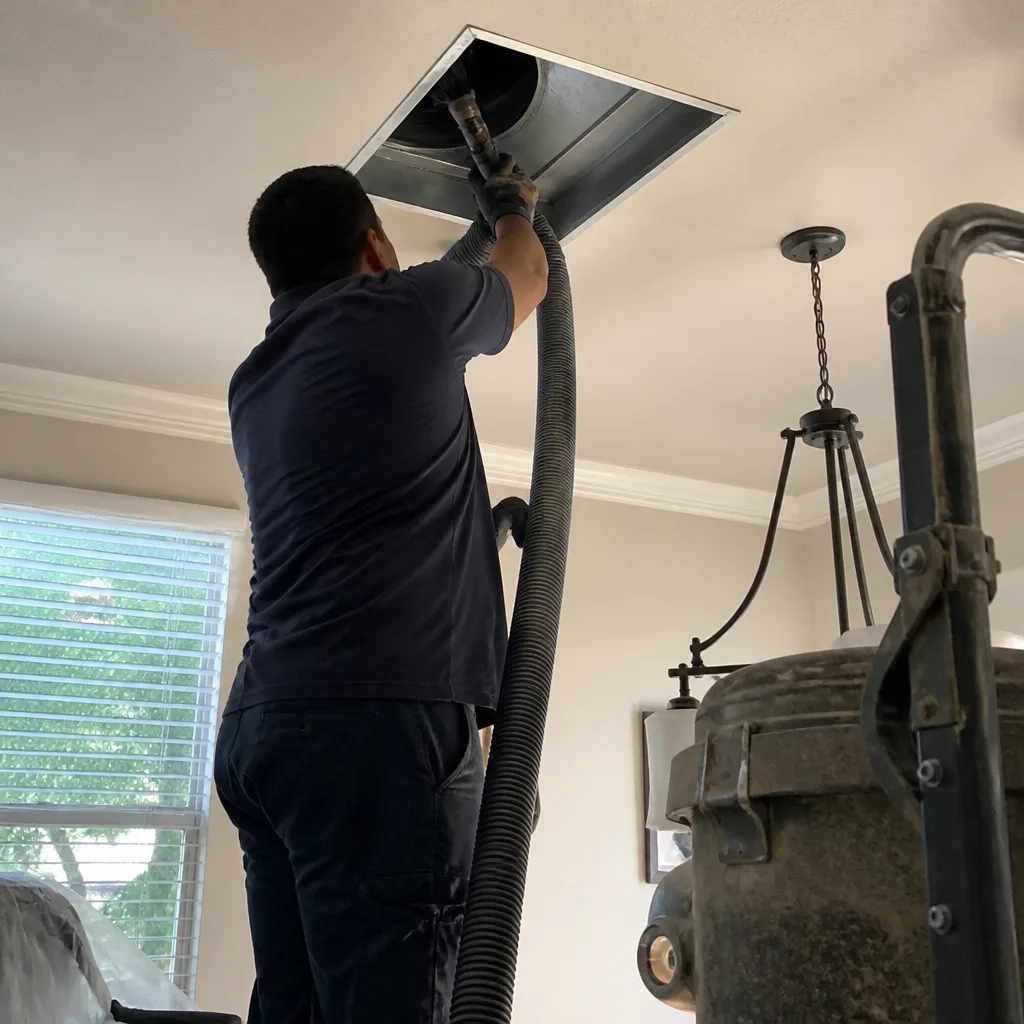
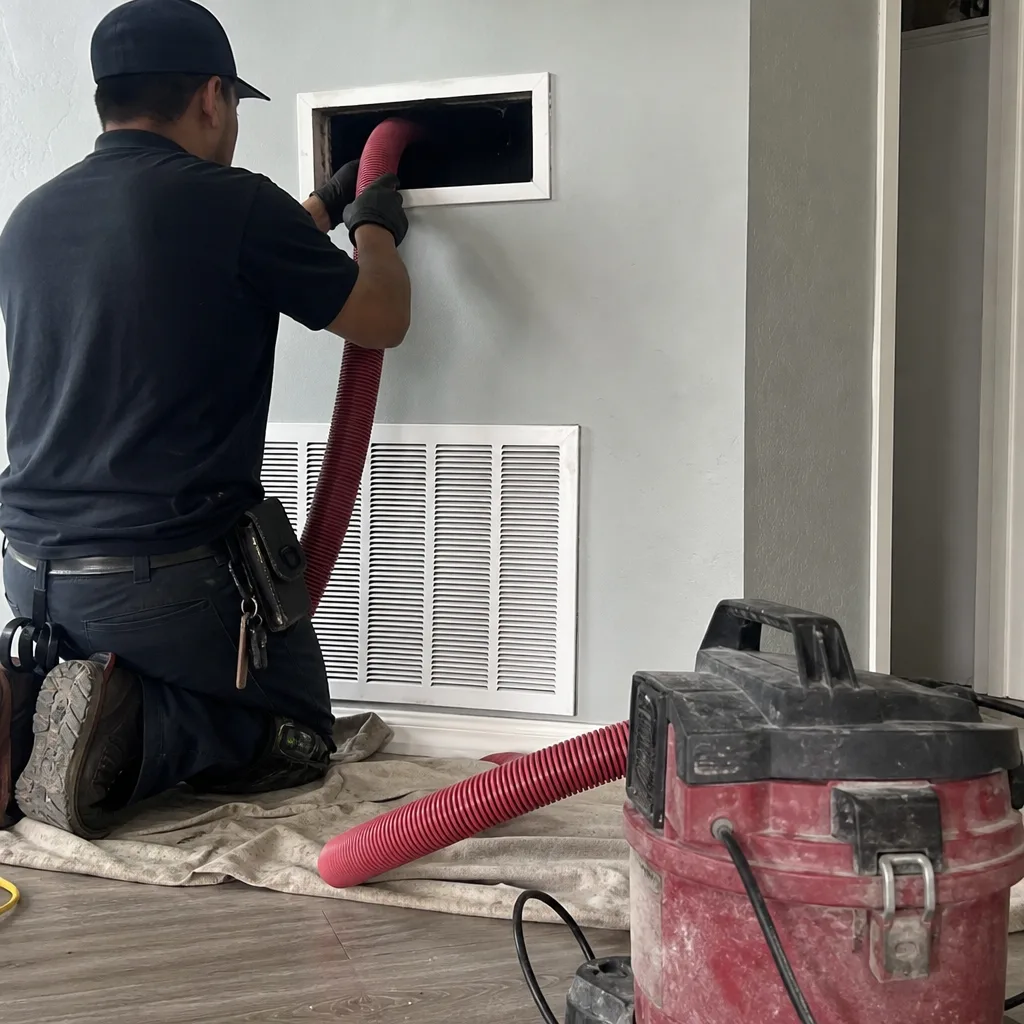
Whole-system duct and dryer vent check with before-and-after photos - you see exactly what came out of your vents
That "$99 whole-house special" is a bait ad - the real number appears once they are in your hallway, or the "clean" is a shop-vac at the register. We photograph the inside of your ducts before and after instead.
Honeywell Vent Sanitizing: The Fort Worth Owner’s Guide
If your Honeywell air purifier or ventilation system’s sanitizing module has stopped doing its job, we stock Honeywell-compatible replacement parts in Fort Worth and can typically install them within a day or two of your call. You’ll pay between $245 and $420 installed for most Honeywell UV sanitizing lamps and PCO catalyst modules, depending on the model and whether one or multiple components need replacing. Most Fort Worth homeowners notice the problem because the air starts smelling a little stale again, the indicator light changes, or a family member’s allergies tick back up after the unit ran quiet and effective for years.
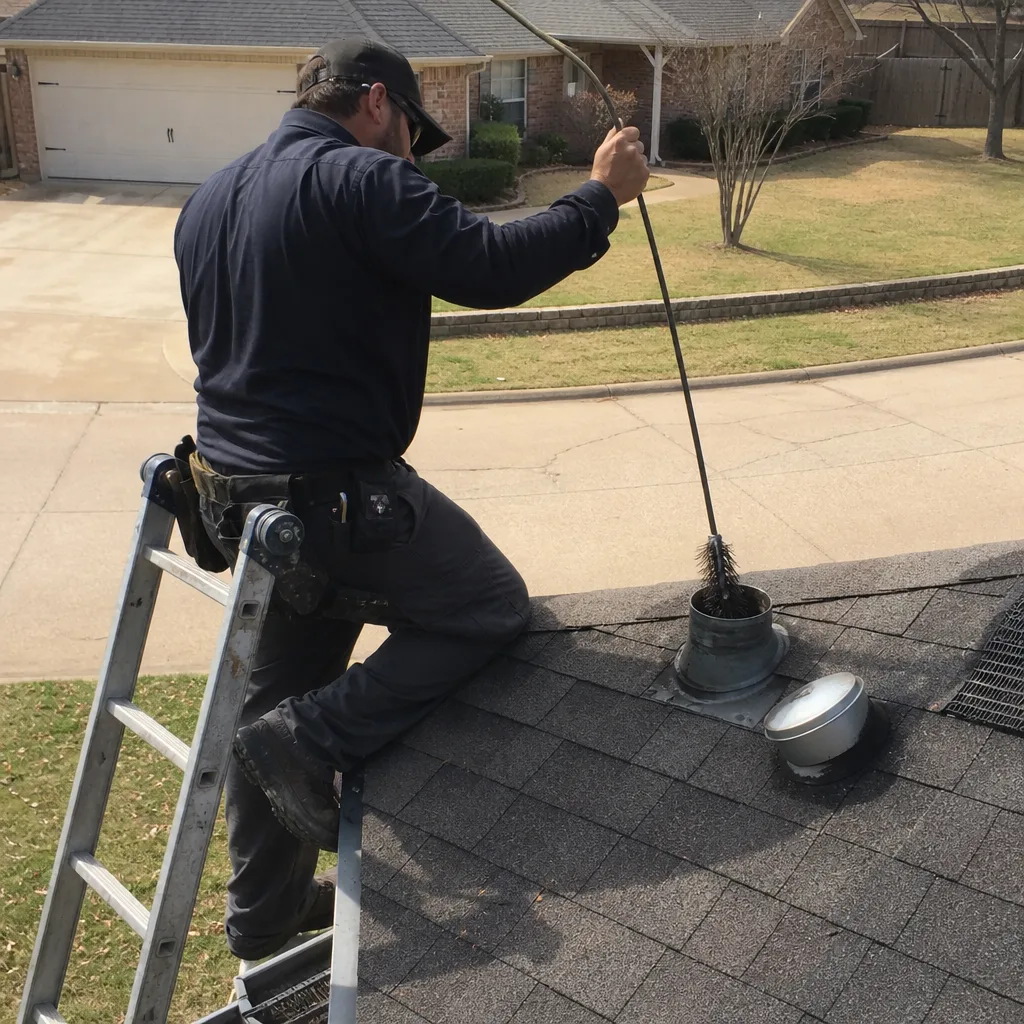
We’re Morton’s Air Duct Fort Worth at Mortons Air Duct Fort Worth, and we’ve been replacing Honeywell ventilation parts in Fort Worth homes since 2005. We keep common Honeywell sanitizing modules on our trucks. Paul Adeyemi, our owner, came up through the sheet metal and air conditioning program at Los Angeles Trade-Technical College, and he’s spent well over a decade working on duct systems across Fort Worth, from older ranch-style homes near TCU to newer builds out in Wedgwood. That matters on a parts replacement job because he checks the whole vent run before he assumes the lamp is the only thing that failed.
Key Takeaways:
- Installed Honeywell vent sanitizing replacement in Fort Worth typically runs $245 to $420.
- We stock common Honeywell UV lamps and catalyst modules on our trucks.
- A written price is given before any work starts, and the 365-Day Done Right Promise covers every replacement.
- Compatibility checking matters more on Honeywell than most brands because of how serial number ranges changed across production years.
Which Honeywell Models This Applies To
Honeywell has built several generations of whole-home ventilation sanitizing equipment, and the part that fits one model year often does not fit the next. The main lines we work with in Fort Worth homes are the Honeywell UV Air Purifier series, the F300 and F50 media filter housings with UV upgrades, and the UV100A and UV240 in-duct germicidal systems. The Honeywell UV100A, which is probably the most common unit we see mounted into ductwork in this area, takes a dual-bulb configuration on some versions and a single-bulb design on others. That distinction trips up a lot of well-meaning owners who order a lamp based on the model name alone, then find it doesn’t seat correctly.
The reliable way to confirm the correct part is the data label on the main housing, not the model number printed on the front cover. Honeywell changed internal ballasts and lamp socket styles mid-production across the UV100A line, and a lamp that fits a 2009 build may not fit a 2012 build of the same advertised model. On our service calls around Fort Worth, we photograph the label, measure the lamp pin spacing and overall tube length, and verify the ballast output before ordering or installing anything. That keeps us from handing you a part that looks right in the box but doesn’t fire up when we wire it in.
On the OEM versus aftermarket question: Honeywell-branded replacement lamps carry a predictable 12-month rated life, and we install those whenever the homeowner prefers manufacturer-stamped parts. For the catalyst media and some lamp modules, there are quality aftermarket equivalents that cut the part cost by 20 to 30 percent while performing to the same UV-C output ratings. We’re honest with Fort Worth customers about both options and quote whichever they choose. Morton’s Air Duct Fort Worth is an independent local service provider, not affiliated with Honeywell, so we match parts on specification, not on brand obligation.
Styles & brands we work with
Signs Your Honeywell Vent Sanitizing Is Failing
- The indicator light has gone out or is flashing. Honeywell UV systems use the lamp’s electrical draw to show status. A dark or blinking indicator usually means the lamp has reached the end of its usable output or the ballast is no longer driving it correctly. The bulb may still glow faintly but produce next to no sanitizing effect.
- Household smells return a few hours after cleaning. A working Honeywell UV and catalyst module continuously breaks down volatile organic compounds and odor particles. When people in Fort Worth tell us the “dusty” or “cooking” smell comes back right after a thorough housecleaning, the sanitizing element often isn’t doing its part anymore.
- Allergy symptoms tick back up indoors. The UV-C output on a healthy Honeywell module reduces airborne biological particles moving through the duct. When a Fort Worth family notices the same indoor allergy pattern they had before the unit was installed, the lamp may be three or more years old and well past its effective output curve.
- The lamp glass looks dark, milky, or has blackened ends. UV-C lamps degrade visibly toward the end of their life. A lamp that’s no longer clear along its tube is a lamp that has already lost most of its sanitizing range. The ballast can still send power, but the tube isn’t producing meaningful UV output.
- The power draw has changed on your home energy monitor. This is a subtle one, but some Honeywell models draw noticeably less current as the lamp ages and the ballast compensates. If you track per-circuit usage, a dip in the HVAC circuit’s steady load can be the earliest sign that a UV lamp is failing before any air quality change becomes obvious.
See the difference
 Before
 After
After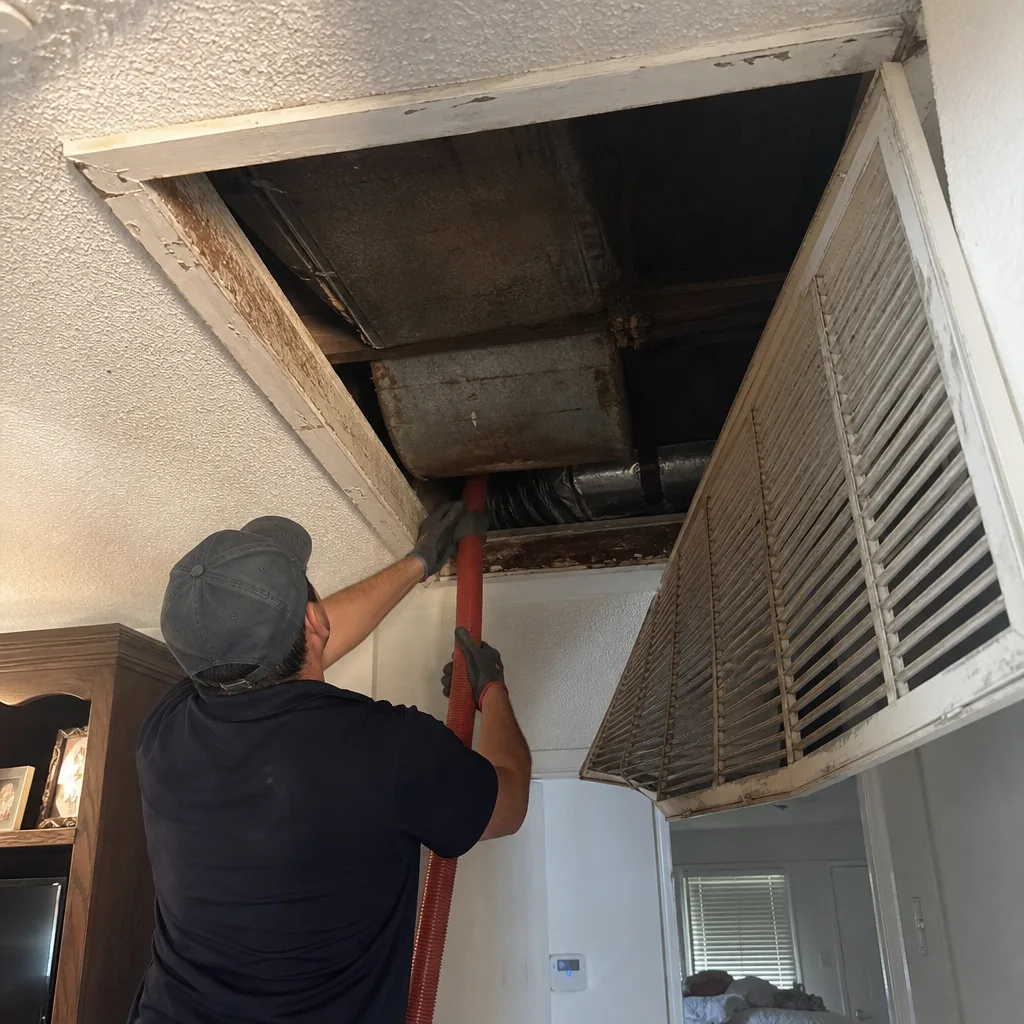 Before
 After
After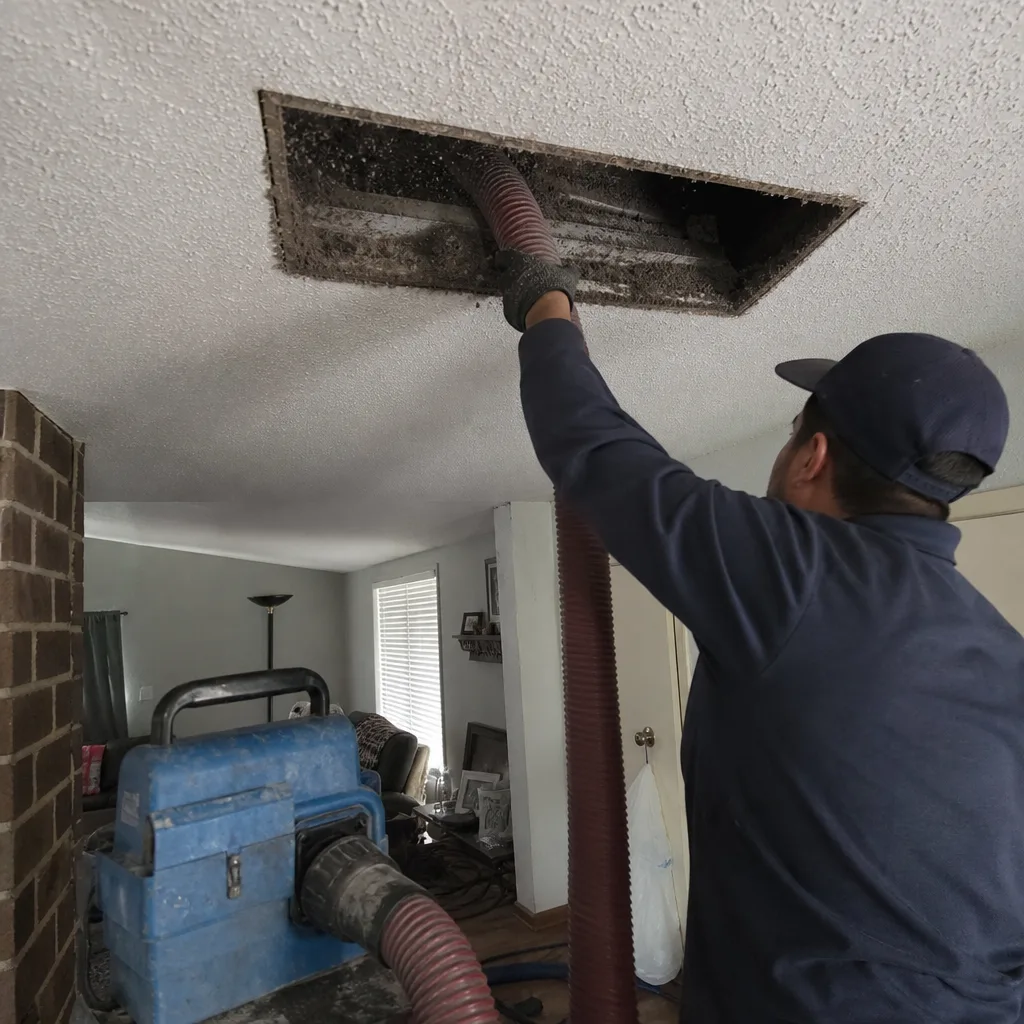 Before
 After
AfterReplacement Cost & What’s Included
In Fort Worth, most Honeywell vent sanitizing replacements run from $245 to $420 installed. The spread comes down to three things: which Honeywell series you have, whether it needs one lamp or a lamp plus catalyst module, and whether the ballast also needs replacing. A single-lamp UV100A replacement with a quality aftermarket bulb usually lands around $245 to $290. A dual-lamp or UV240 system, or any job requiring a new Honeywell-branded lamp plus a catalyst insert, runs $320 to $420.
Here’s how a typical quote breaks down on our written estimate:
- UV-C lamp (Honeywell OEM or equivalent): $95 to $185 depending on model and series.
- Catalyst module (if applicable): $60 to $110.
- Ballast replacement (when needed): $90 to $140.
- Labor, compatibility check, disposal of old lamp: $65 to $95.
Every one of these comes as a written line-item price before we touch anything. No surprises on the invoice. The replacement itself is covered by our 365-Day Done Right Promise. If the new part fails or the installation isn’t right within a year, we make it right. No request forms, no fine print.
DIY or Call Us?
There are a few safe things a Fort Worth homeowner can check before calling anyone. Write down the full model and serial from the main housing label, not the front cover plate. Look at the lamp through the view port if your unit has one. Check the breaker serving the HVAC circuit. Those details save time on the phone and help us bring the right part on the first trip. What we don’t recommend is opening the housing and pulling the lamp yourself. UV-C lamps contain mercury vapor, and a broken lamp inside a return plenum sends glass fragments and mercury into the air stream your family breathes. The ballast wiring also carries line voltage, and on older Honeywell units the socket contacts can be brittle. One slip with a screwdriver near a live ballast connection is a hospital trip.
This is a part where the stakes are your family’s air, and the job is more than swapping a tube. We seal the duct opening properly, verify the new lamp fires at the correct output, check the surrounding coil and plenum for moisture or mold that would shorten the new lamp’s life, and wipe down the registers before we finish. If you’d rather not deal with any of that, call us at (682) 432-0424 and we’ll bring the correct Honeywell-compatible part for your exact model.
FAQs
A Honeywell UV-C sanitizing lamp typically produces useful output for 12 to 24 months of continuous operation, after which the bulb may still glow but no longer sanitizes effectively. In Texas heat, where systems run longer cooling seasons, we often see Fort Worth units need a replacement lamp on the shorter end of that range. Call (682) 432-0424 and we’ll quote your specific model.
The lamp and catalyst media are wear items and are replaced, not repaired. The ballast is occasionally repairable if a connection is bad, but on most Fort Worth units we service, a failed ballast is replaced with a new unit because repaired ballasts fail again within months. The cost difference is small enough that repair rarely makes sense.
Most Honeywell vent sanitizing replacements in Fort Worth take 60 to 90 minutes once we’re on site, including the compatibility check, lamp or catalyst install, duct inspection, and register wipe-down. If your unit has multiple lamps or we find moisture in the plenum that needs addressing, it can push to two hours.
We keep the most common Honeywell UV100A single and dual lamps, common catalyst modules, and replacement ballasts on our trucks, so many Fort Worth replacement jobs are done in one visit. For less common Honeywell series or odd serial ranges, we source the correct part the same day from our local suppliers. We also stock compatible parts for Lennox, Trane, and Carrier ventilation systems.
If you have a Honeywell vent sanitizing unit that isn’t doing its job, call Morton’s Air Duct Fort Worth at (682) 432-0424 for a free estimate. We’ll tell you what part you need, what it costs, and when we can install it. I tell you what I’ll do, and then I do exactly that, nothing more on the invoice, nothing less in the work.
Written by Paul Adeyemi, Owner, Morton’s Air Duct Fort Worth at Mortons Air Duct Fort Worth, serving Fort Worth and nearby areas.