
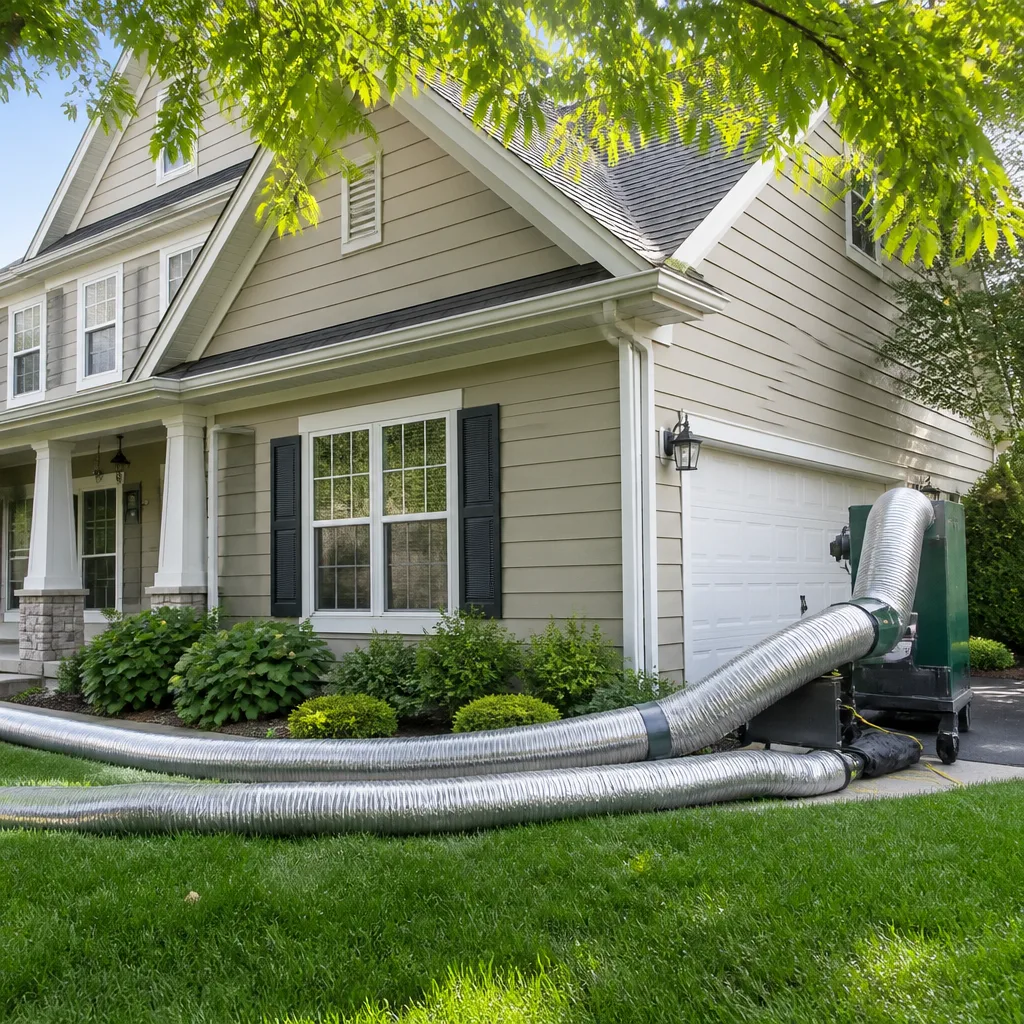
 Whole-home duct cleaning
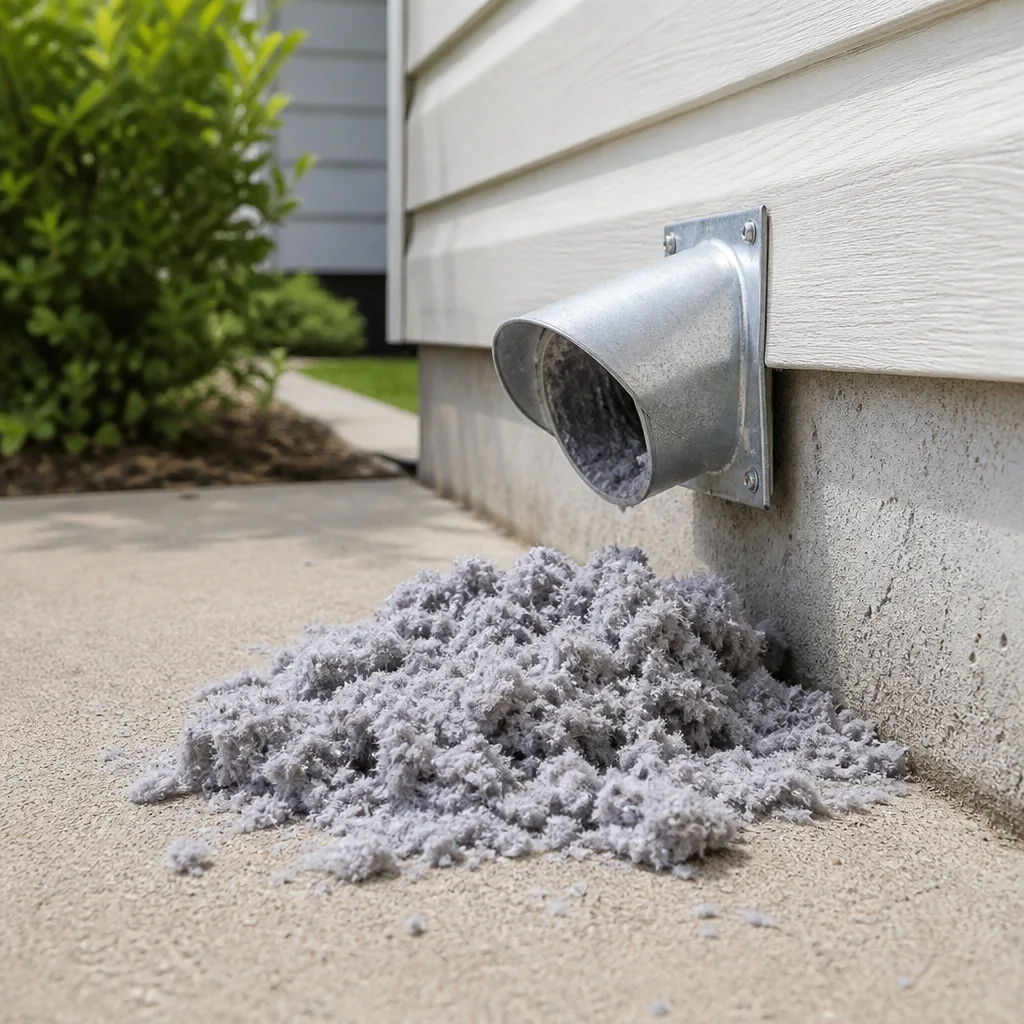 Dryer vent cleaning
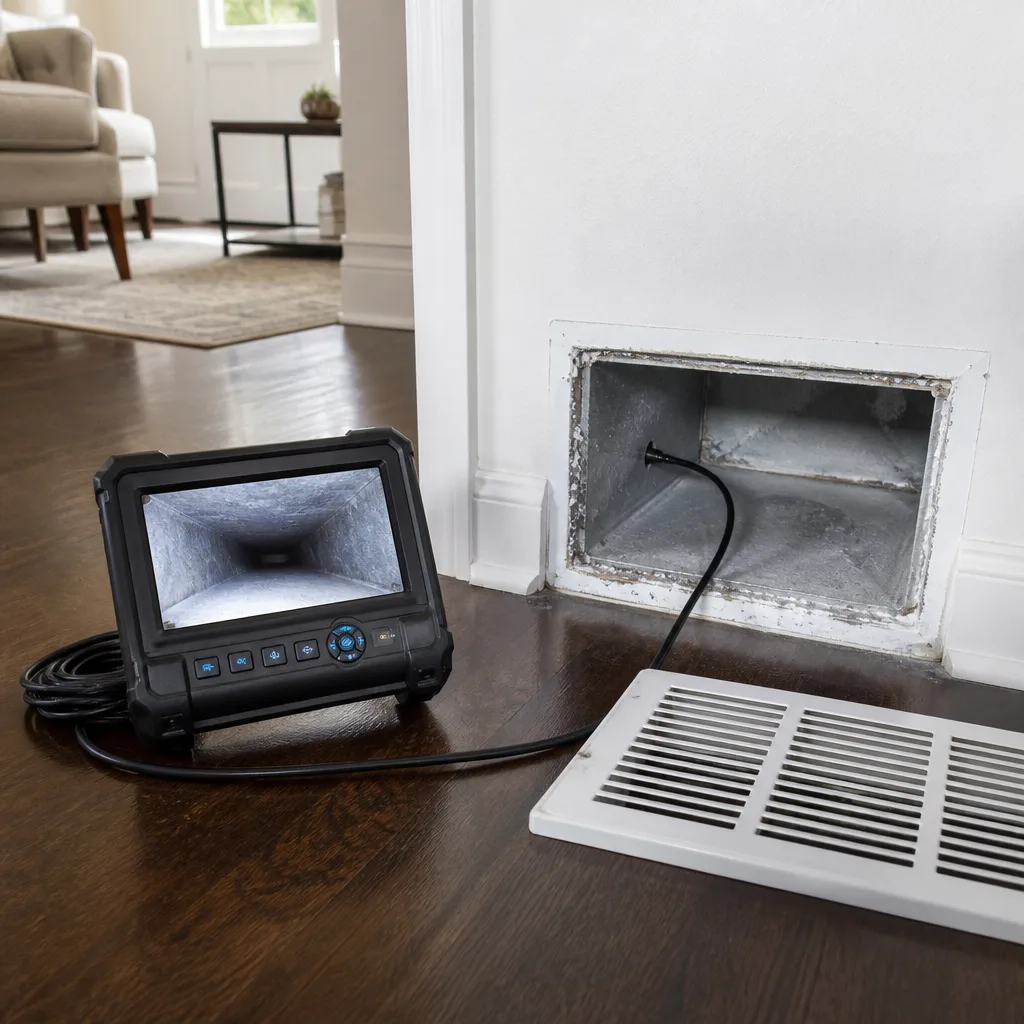 Camera inspection
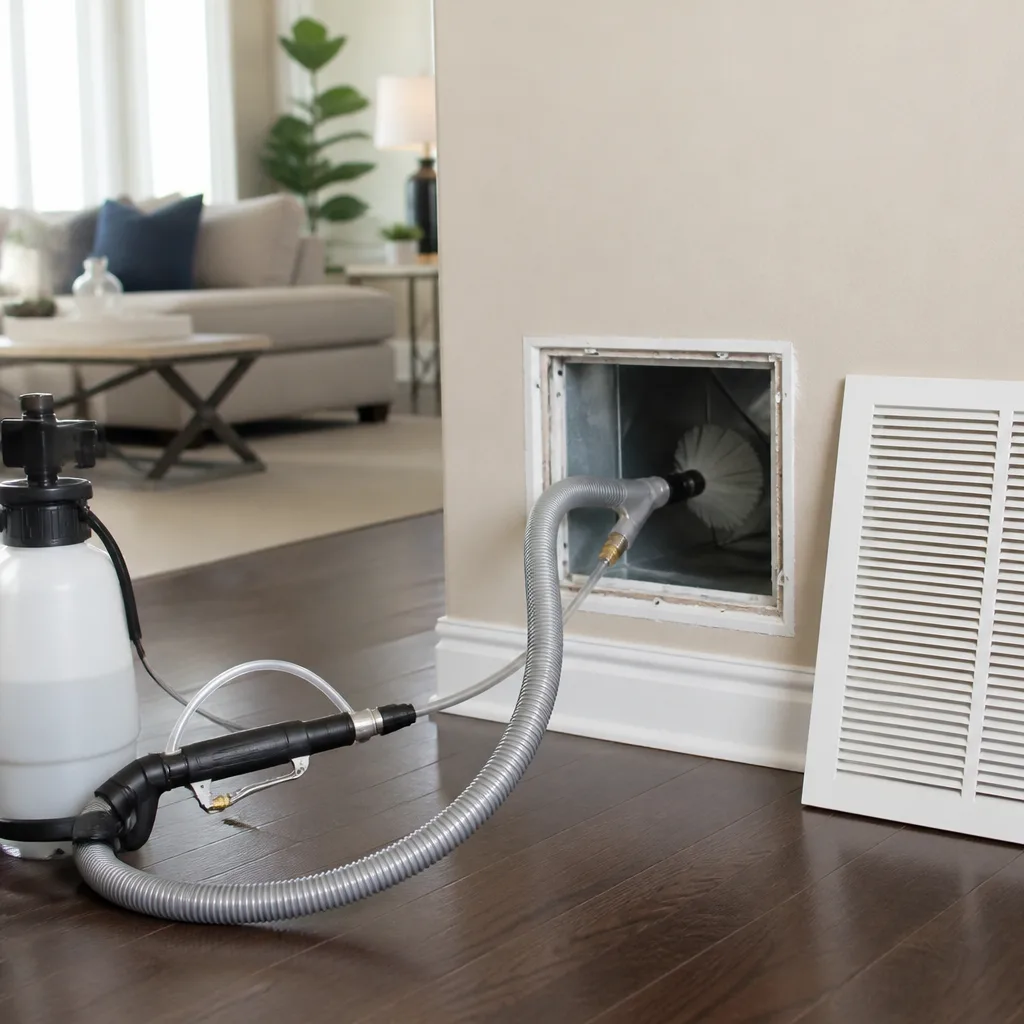 Sanitizing & deodorizing
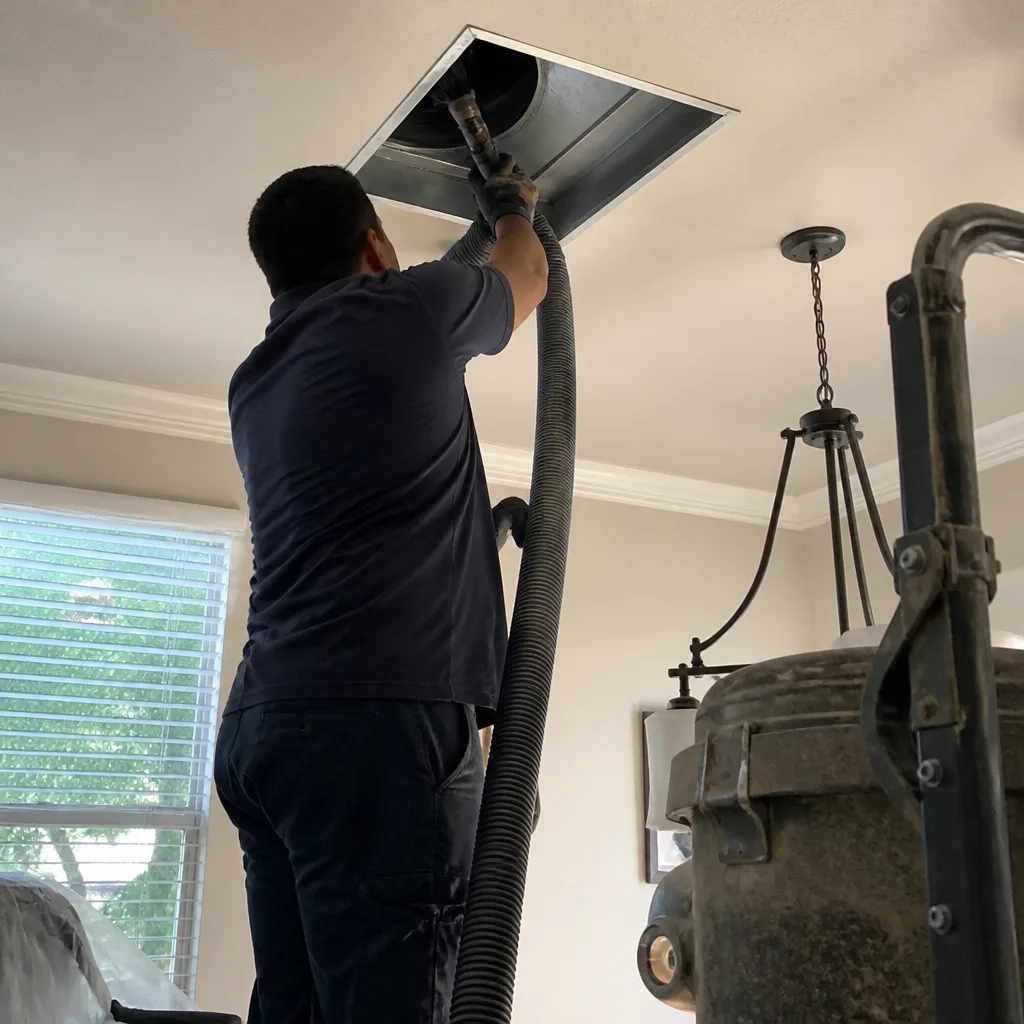
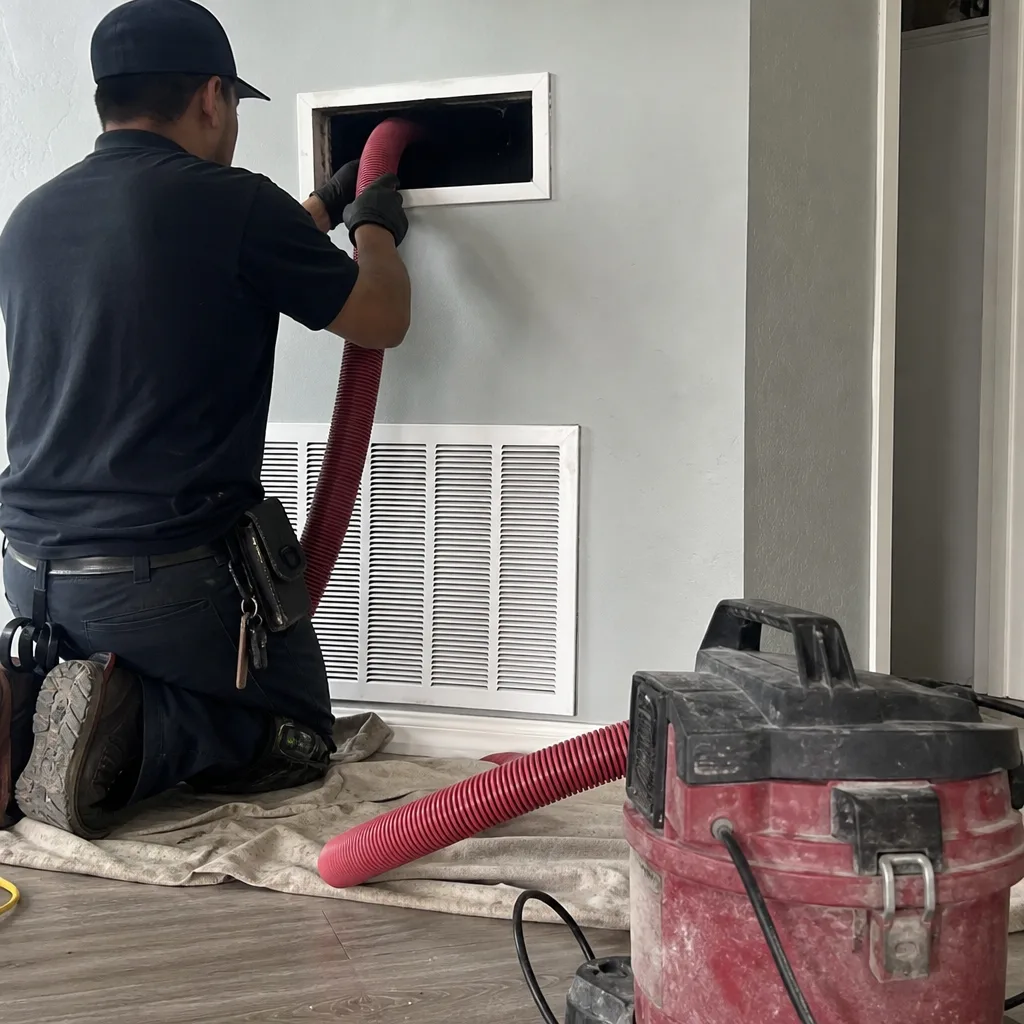
Whole-system duct and dryer vent check with before-and-after photos - you see exactly what came out of your vents
That "$99 whole-house special" is a bait ad - the real number appears once they are in your hallway, or the "clean" is a shop-vac at the register. We photograph the inside of your ducts before and after instead.
Rotobrush Duct Sealing & Repair: The Fort Worth Owner’s Guide
We stock and install Rotobrush-compatible duct sealing and repair components for Fort Worth homes, with most swaps running between $185 and $460 depending on which assembly your system needs. We keep the common wear items on the truck, so if you call before noon we can usually get to you the same day. Most owners discover the problem the way our techs hear it described: the system powers on but doesn’t pull the way it used to, or you hear air hissing around a coupling that used to be tight.
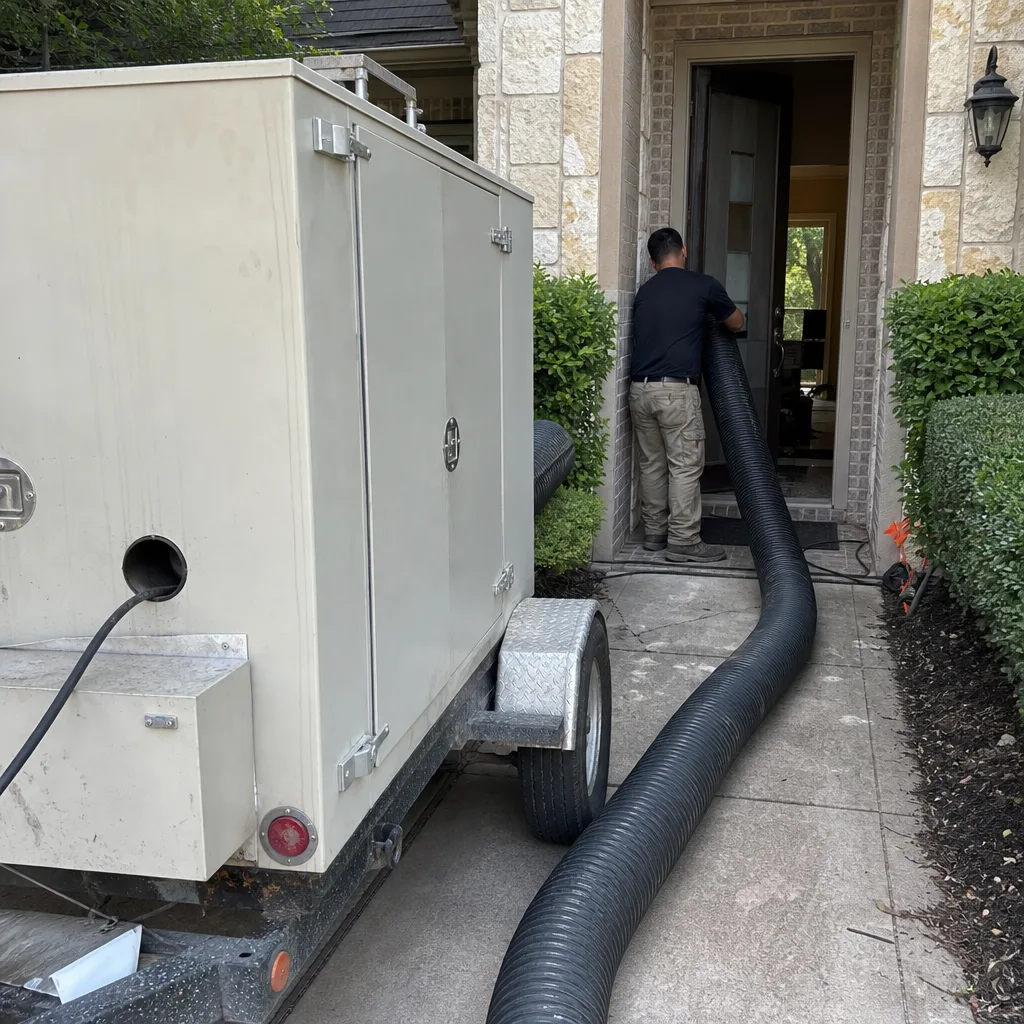
You’ll know it’s the sealing assembly and not the motor when the vacuum still spins but the suction at the hose end feels weak. That’s the classic Rotobrush failure pattern in this Texas climate. Heat and fine dust work together to harden gaskets and crack the flexible boots, and once a seal goes, the whole system loses the negative pressure it depends on. Paul Adeyemi has opened up enough of these units in Fort Worth attics and garages to know what fails first, and it’s rarely the expensive part.
Which Rotobrush Models This Applies To
Most of the Rotobrush systems we service in Fort Worth fall into two families: the aiR+ series and the older BRH/BRC compact units. The sealing components differ between them, and here’s the gotcha we see regularly: the aiR+ uses a snap-in manifold boot that looks almost identical to the older BRH boot, but the inner diameter is 4mm smaller. If you force the wrong boot on, it splits within a month. Always check the label plate on the back of the housing before ordering anything.
On the OEM versus aftermarket question for Rotobrush specifically: we use OEM sealing kits when the machine is still under the manufacturer’s product support window, because that keeps things clean for any future warranty work. For older units where the OEM parts cost more than the machine is worth, we carry a quality aftermarket equivalent that matches the OEM durometer rating. That’s the specification that matters with air duct sealing components. A boot that’s too soft collapses under vacuum; too hard and it won’t seat. We’ve measured both, and our aftermarket pick matches OEM within tolerance. One more thing: Mortons Air Duct Fort Worth is an independent service provider. We’re not affiliated with Rotobrush, but we’ve worked on their equipment long enough to know it well.
Styles & brands we work with
Signs Your Rotobrush Duct Sealing & Repair Is Failing
- Weak suction at the hose end while the motor sounds normal. The most common presentation. A cracked manifold boot or worn drum seal lets air bypass the brush head, so the motor isn’t working against the resistance it’s tuned for.
- Fine dust escaping around the collection drum. That’s the drum lid gasket. In Fort Worth’s dry air, these gaskets lose elasticity faster than in humid climates. The material shrinks, micro-cracks form, and dust starts sneaking past.
- A whistling or hissing sound near the hose coupling. Air is finding a path around a failed O-ring or a loosened quick-connect. It’s audible before it’s visible, which is why we always run the system briefly before opening it up.
- The brush head spins slower than it used to. This can point to a partially collapsed seal inside the air motor assembly. When the seal leaks, the air motor doesn’t get full pressure, and the brush drags.
- Visible cracking or flattening on any rubber boot or gasket. If you can see it, it’s done. Rubber components on air duct equipment in Texas attics age in dog years. A boot that looks fine in March can be cracked by September.
See the difference
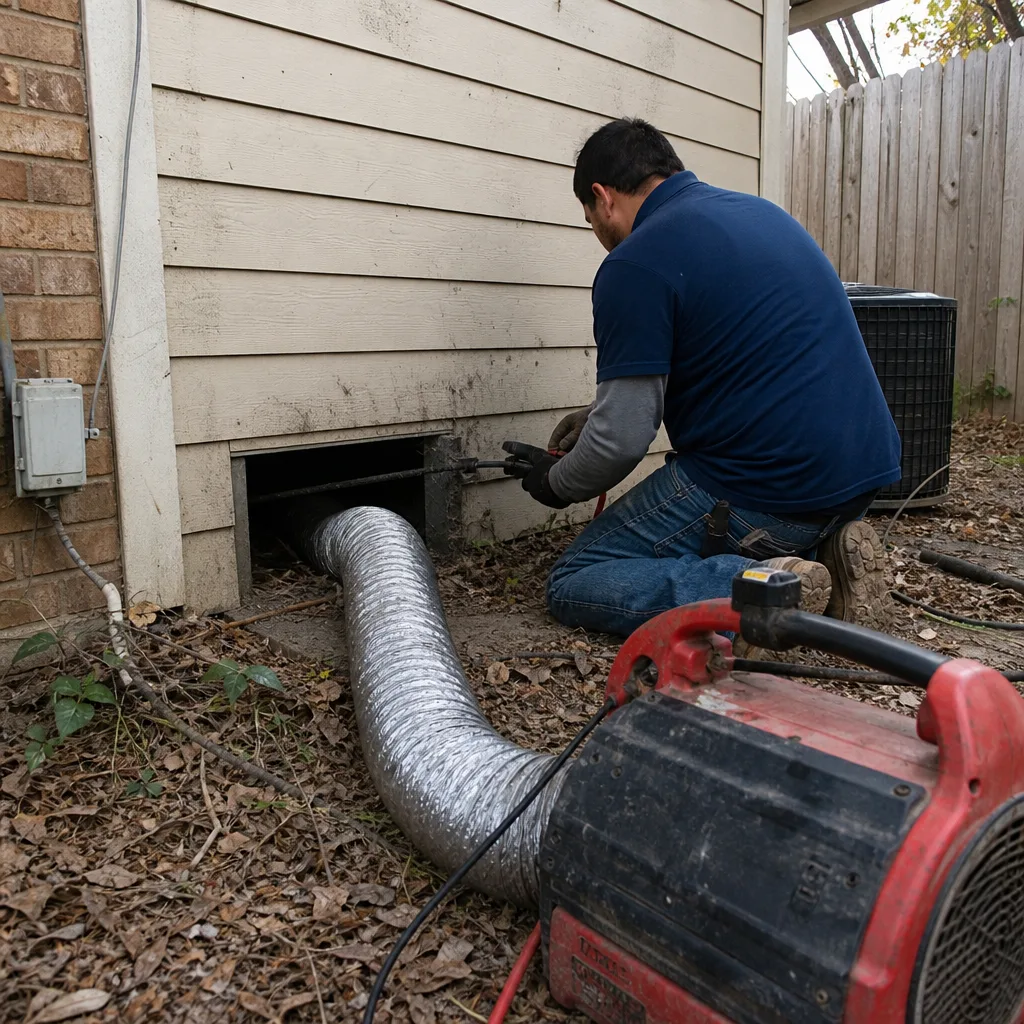 Before
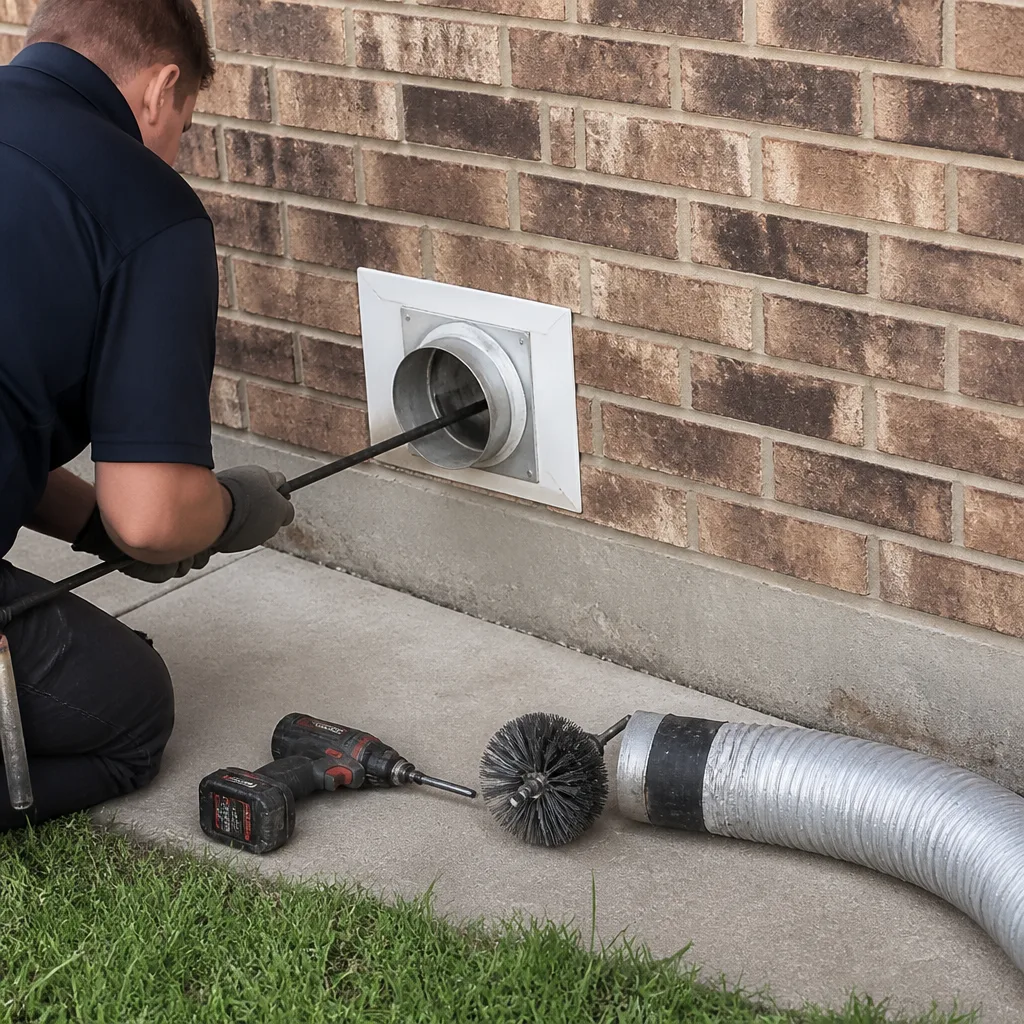 After
After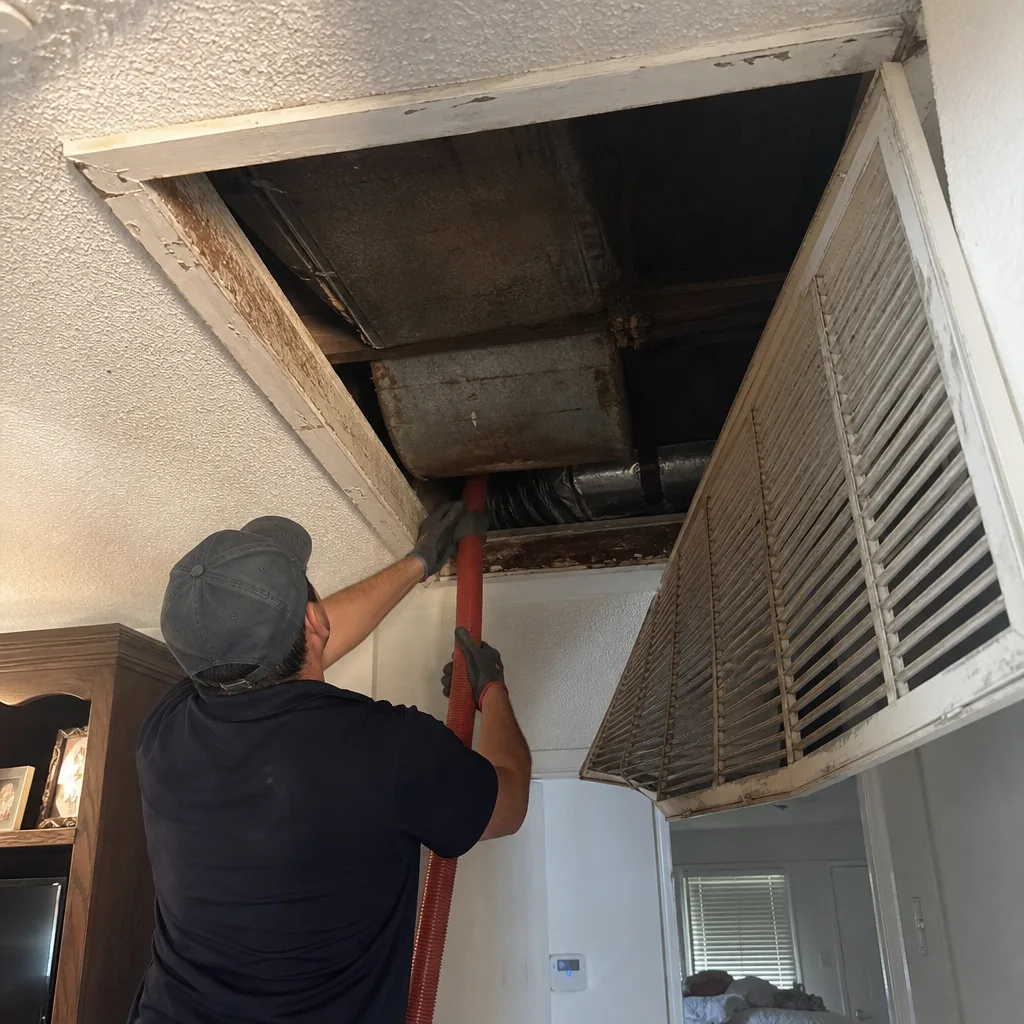 Before
 After
After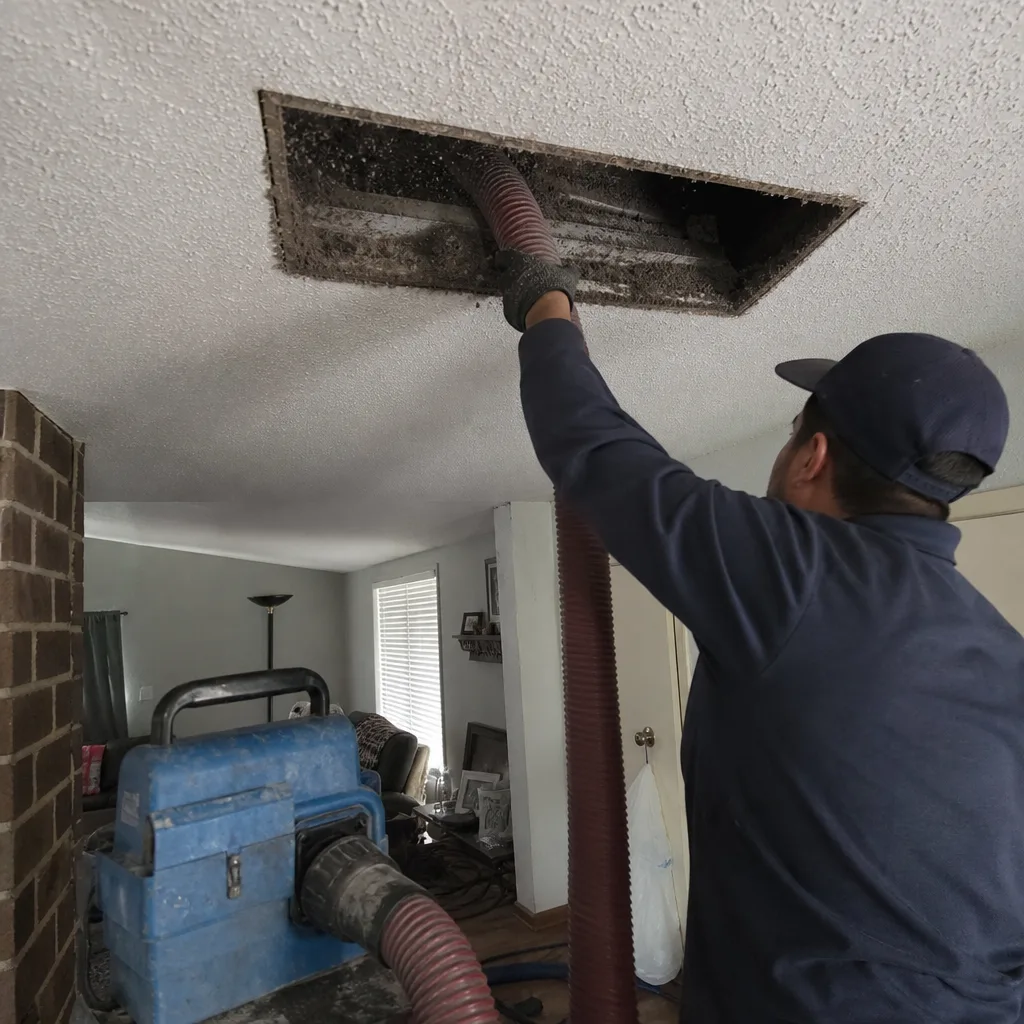 Before
 After
AfterReplacement Cost & What’s Included
Here’s what Rotobrush duct sealing and repair actually costs for a Fort Worth homeowner, installed by us:
- Hose O-ring or quick-connect seal replacement: $85 – $145
- Manifold boot replacement (parts and labor): $185 – $275
- Drum lid gasket and foam seal kit: $160 – $240
- Full sealing assembly refresh (all boots, gaskets, O-rings): $340 – $460
- Air motor internal seal rebuild: $290 – $410
What drives the range is which machine you have and whether the failed seal caused any secondary wear. An aiR+ manifold boot replacement runs on the lower end because access is straightforward. A BRH unit where the drum housing is buried under attic insulation takes longer, and that’s reflected honestly in the quote. We give one flat price before any work starts, and that price includes the part, the labor, cleaning the surrounding area, and a function test before we pack up. If the part fails inside twelve months, the replacement part and the labor to install it are on us under the 365-Day Done Right Promise.
DIY or Call Us?
Some of this work is reasonable for a handy owner to check. You can inspect the exterior boots and gaskets for visible cracking, and you can wipe down sealing surfaces with a dry cloth. That’s about where it should stop. The air motor assembly inside a Rotobrush unit is under spring tension, and the internal seals sit behind a housing that’s annoying to open and genuinely risky to reassemble wrong. A seal that’s seated crooked doesn’t just leak. It can bind the motor and turn a $40 part into a $400 repair.
We’ve also seen owners use the wrong lubricant on O-rings and watch them swell within a week. If you’ve got a visible boot crack and a simple replacement part, feel free to call us and ask whether it’s a job you can handle. Paul will tell you straight. If it’s anything inside the housing, let us do it. Call (682) 432-0424 and we’ll give you a price before we roll a truck.
FAQs
In North Texas heat, expect 3 to 5 years from the rubber boots and gaskets before they start hardening and cracking. Attic-stored machines wear out seals faster than garage-stored ones because of the temperature swings. If your machine lives in the attic and you use it regularly, plan on refreshing the sealing components every few seasons as maintenance, not waiting for a failure.
We replace them. Adhesives and sealants don’t hold up under the vacuum pressure and flex these components see, and a patched seal fails again quickly. The replacement parts are the right fix, and they’re not expensive enough to justify a patch job. Call (682) 432-0424 and we’ll quote the exact part your machine needs.
Most sealing replacements take 45 to 90 minutes from the time we arrive to the time we’re testing the system. The full sealing assembly refresh on an aiR+ unit can run closer to two hours. We do the work at your home, so you don’t need to haul the machine anywhere.
We stock the common failure items: manifold boots for the aiR+ and BRH series, drum lid gaskets, O-rings, and quick-connect seals. If your unit needs something unusual, we can usually have it in hand within one to two business days. Call us at (682) 432-0424 and describe the symptom. We’ll tell you what we think it is and what it’ll cost before anyone shows up.
Written by Paul Adeyemi, Owner, Morton’s Air Duct Fort Worth at Mortons Air Duct Fort Worth, serving Fort Worth and nearby areas.