
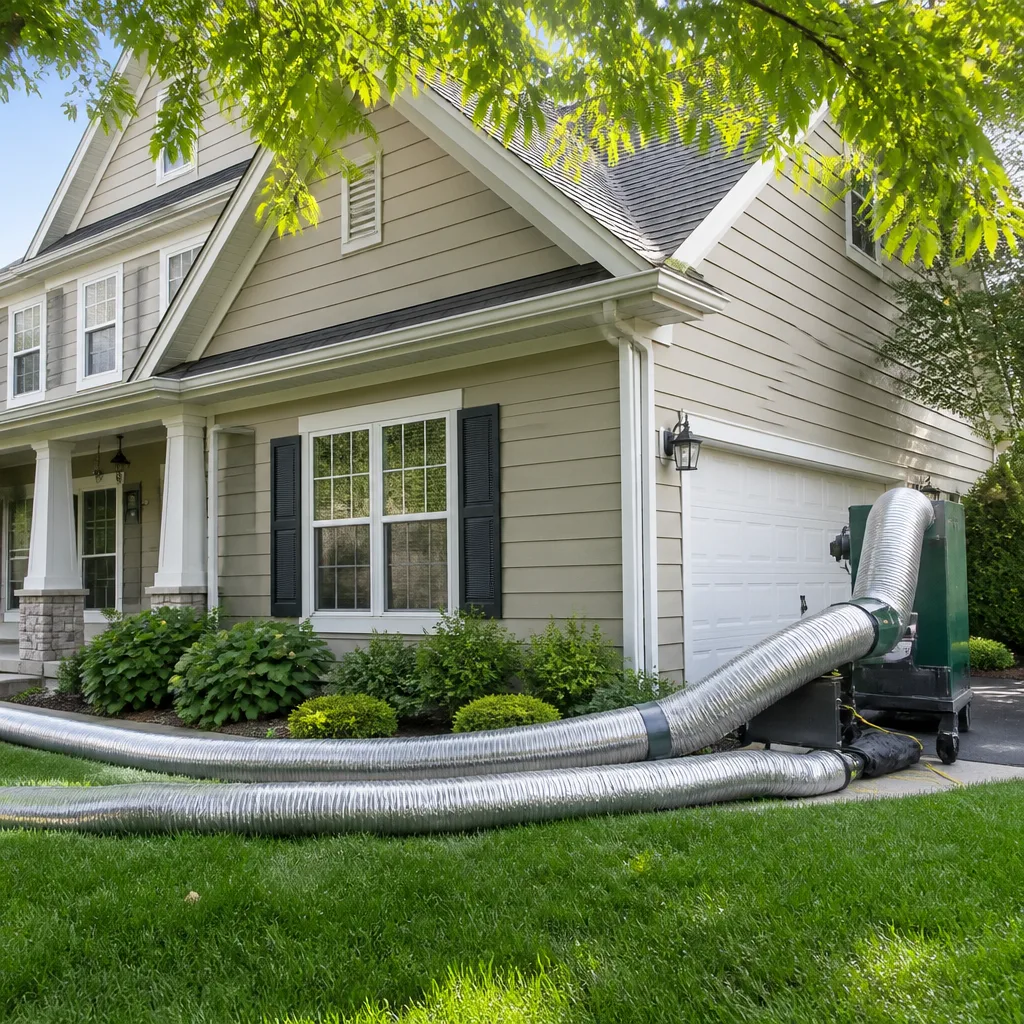
 Whole-home duct cleaning
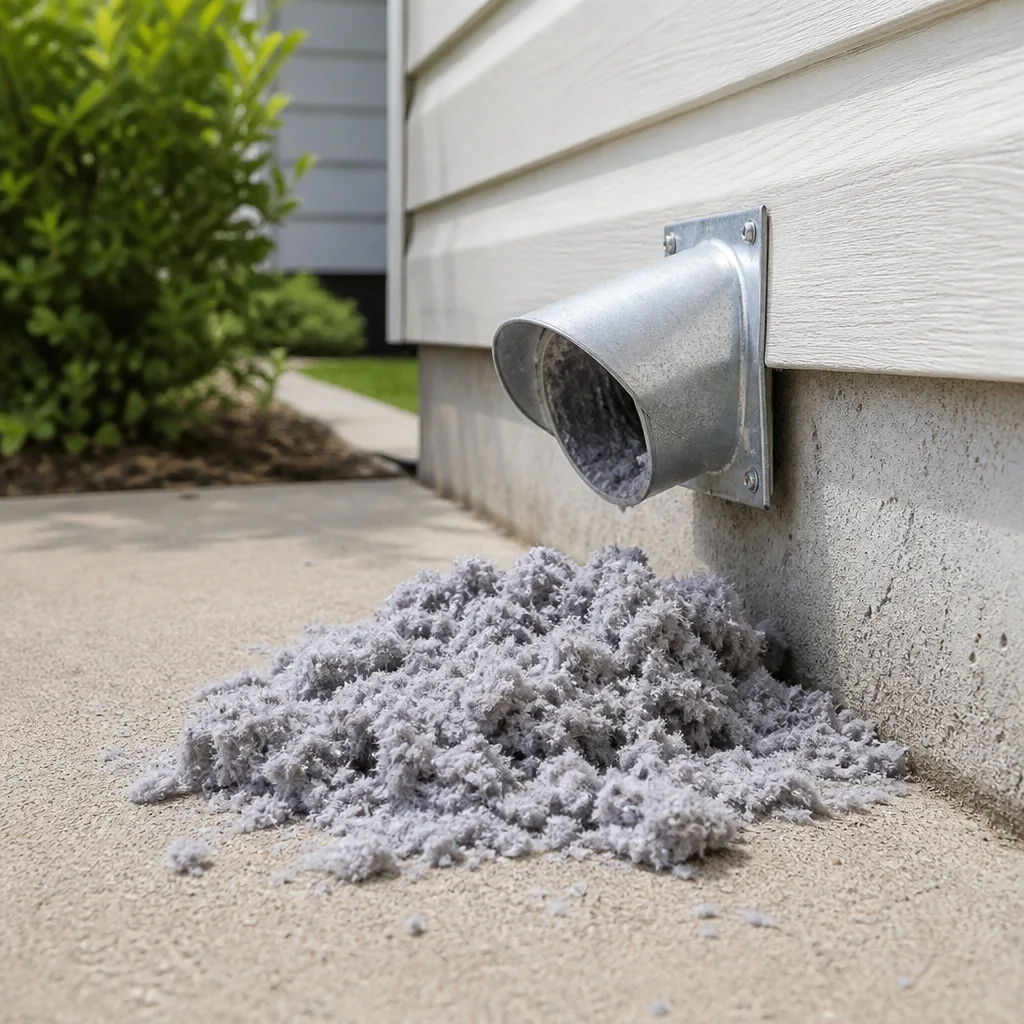 Dryer vent cleaning
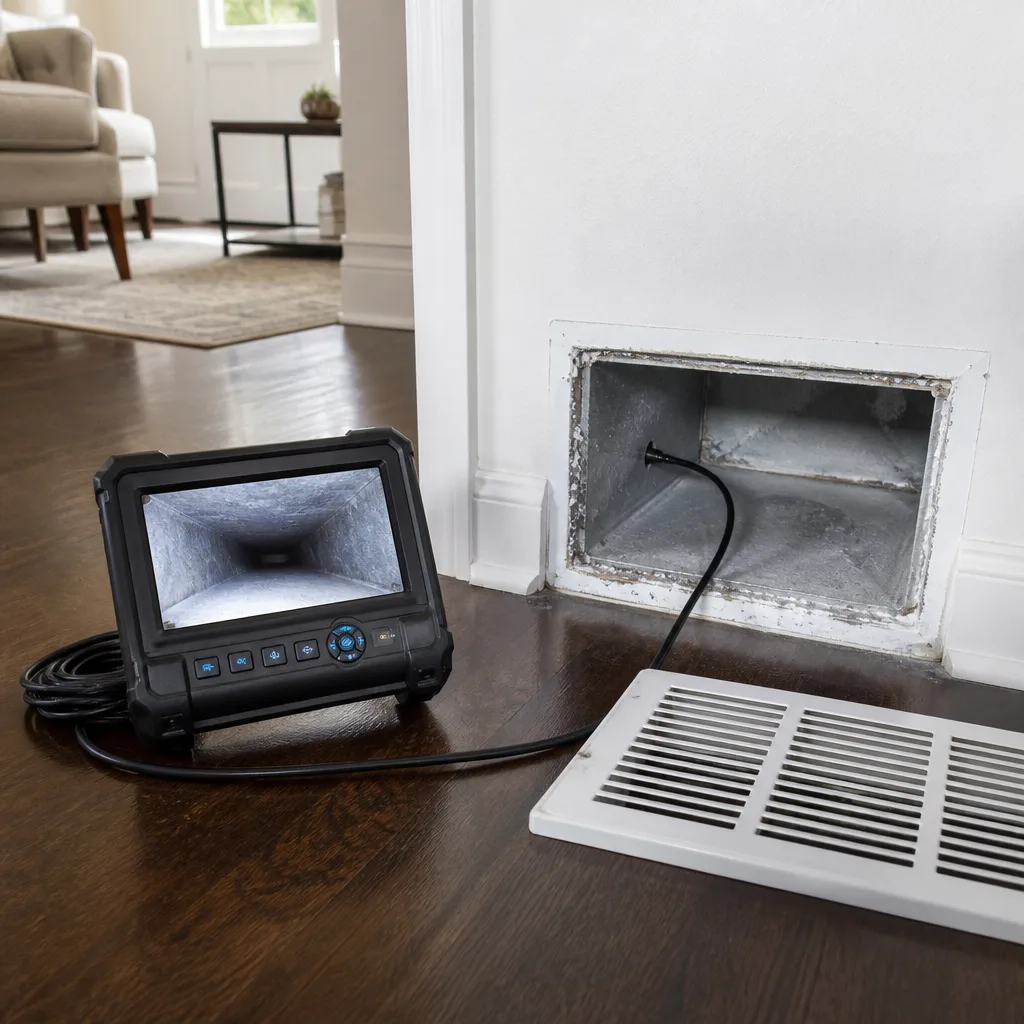 Camera inspection
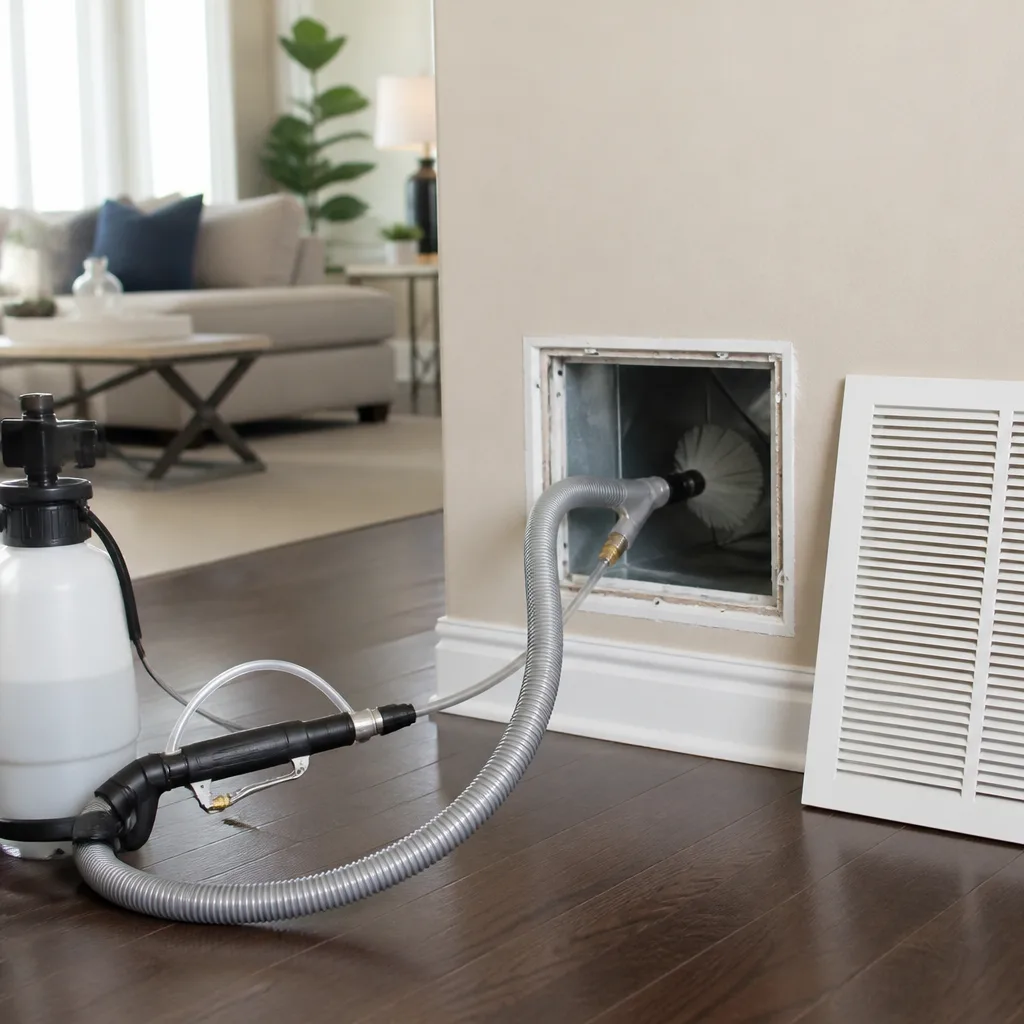 Sanitizing & deodorizing
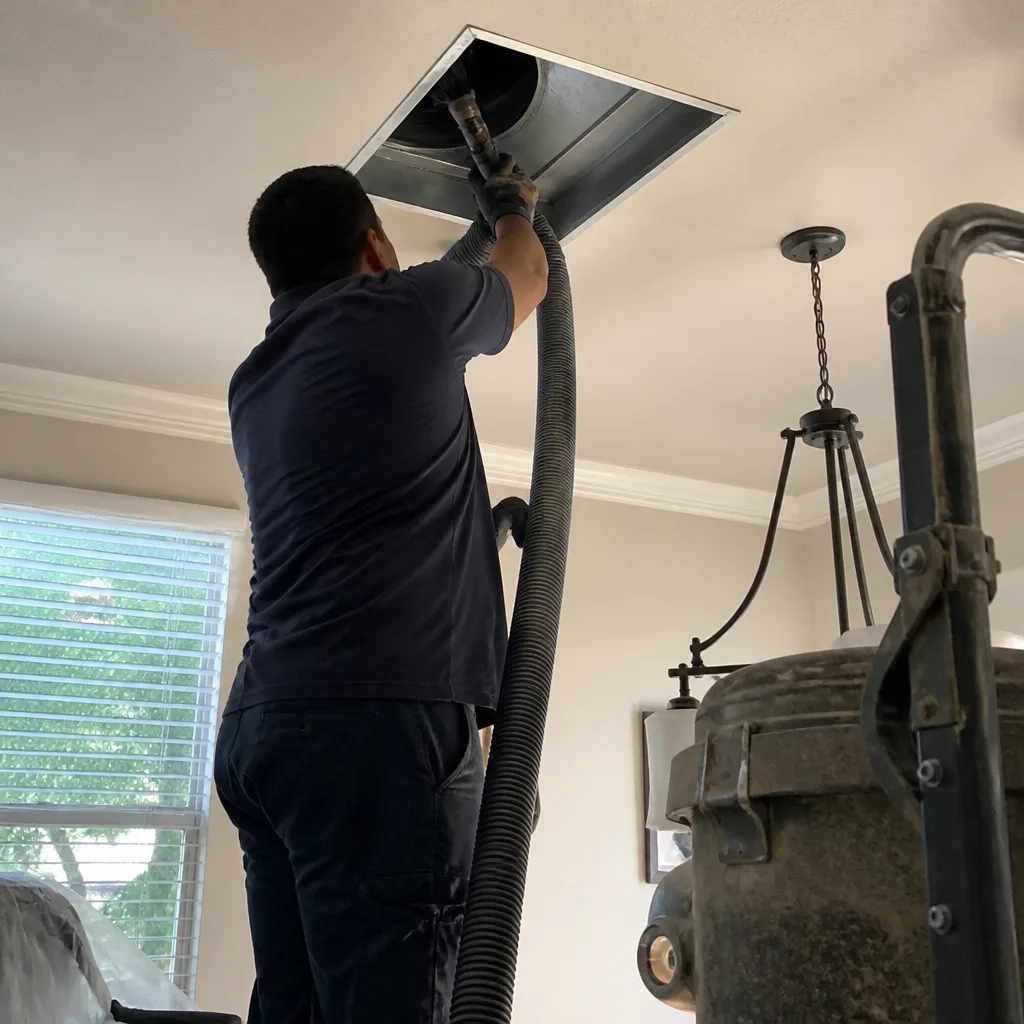
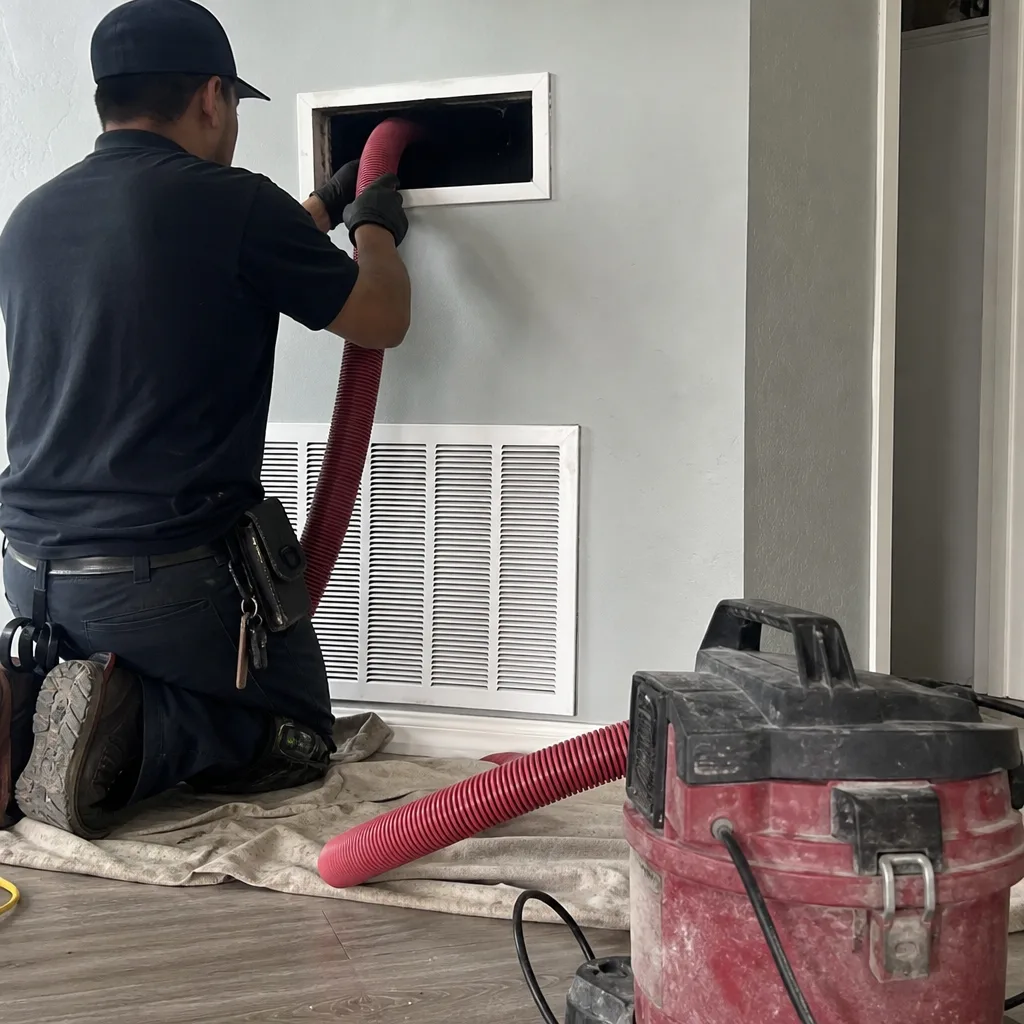
Whole-system duct and dryer vent check with before-and-after photos - you see exactly what came out of your vents
That "$99 whole-house special" is a bait ad - the real number appears once they are in your hallway, or the "clean" is a shop-vac at the register. We photograph the inside of your ducts before and after instead.
Rotobrush Vent Sanitizing: The Fort Worth Owner’s Guide
If you own a Rotobrush system and the vent sanitizing component has stopped fogging, we stock Rotobrush-compatible sanitizing parts and install them across Fort Worth for a typical price of $180 to $420, depending on your model and what failed. Most owners notice the problem the first time the fogger sputters or runs dry mid-job, leaving half the duct run untreated. Here’s what you’re dealing with and exactly how we fix it.
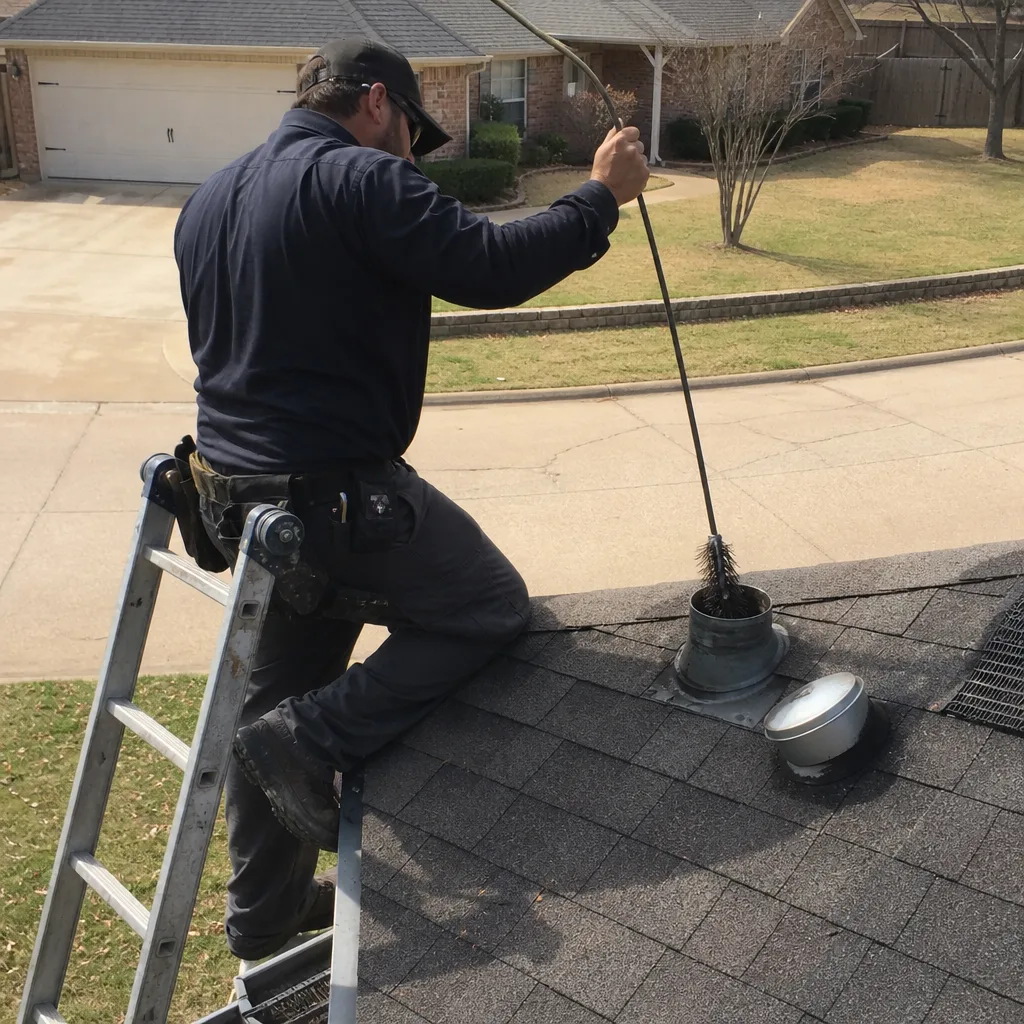
Rotobrush builds sanitizing into several of its duct cleaning platforms, and the failure points follow a pattern we’ve seen repeated in homes from Wedgwood to the TCU area. The good news is that most of these parts are straightforward to replace once you correctly identify what’s on your machine.
Key takeaways:
- We stock Rotobrush vent sanitizing parts on our trucks and install them in one visit.
- Installed cost in Fort Worth runs $180 to $420, with a written price before we start.
- Most failures are the fogger nozzle, the sanitizing solution line, or the pump assembly.
- We’re an independent service provider, not affiliated with Rotobrush, so we give you straight advice on OEM vs. aftermarket.
Which Rotobrush Models This Applies To
Rotobrush has built vent sanitizing into a few different platform generations, and the first step is knowing which one you have. The older AiR+ and the RotoStorm models use a fogger that threads onto the main vacuum hose near the head. Newer systems, including some of the current Rotobrush units, run sanitizing through an integrated injection line. If your system has a separate fogger bottle holder on the frame, you’re likely looking at a nozzle-and-line replacement. If the sanitizer feeds from a pump inside the main housing, you need the pump kit.
Here’s the compatibility gotcha that catches a lot of Fort Worth owners: the quick-connect fittings changed between Rotobrush generations, and a nozzle from an AiR+ won’t seat on a newer RotoStorm fitting, even though they look close. Check the label on your machine’s frame for a model code, and measure the nozzle thread diameter if the label is worn. Bring us that information, or have us come out and identify it in person. We’ll tell you whether OEM Rotobrush is worth the premium for your particular part or whether a quality aftermarket equivalent from our stock will do the same job for less. Generally, the fogger nozzle and the sanitizing feed line are safe to buy aftermarket; the pump assembly is usually better as OEM Rotobrush because the aftermarket versions we’ve tested don’t match the flow rate consistently.
Styles & brands we work with
Signs Your Rotobrush Vent Sanitizing Is Failing
- The fogger sputters or pulses instead of producing an even mist. This usually means the sanitizing line has a partial blockage or the nozzle is crusted with dried sanitizer that wasn’t flushed after the last job. Rotobrush sanitizing solutions dry hard, especially in hot Fort Worth summers, and a quick flush after each use prevents most of it.
- No sanitizer fog at all, but the vacuum still works fine. The pump has likely failed, or the line has fully separated from the fitting. On AiR+ machines, the pump is a small diaphragm unit that eventually tears after a few years of steady use.
- Sanitizer leaking from the fogger or pooling under the machine. A cracked quick-connect fitting or a split feed line is almost always the cause. The plastic fittings get brittle with age and with the heat in unconditioned garages across Fort Worth.
- The sanitizer bottle drains much faster than it used to. The nozzle is worn and oversized, or the pump is over-feeding. Either way, you’re wasting solution and not getting the correct contact time in the ducts.
- The fogger smells weak or the sanitizer isn’t reaching the far end of longer duct runs. That’s typically low pump pressure or a nozzle that’s partially clogged just enough to reduce the throw distance without stopping it entirely.
See the difference
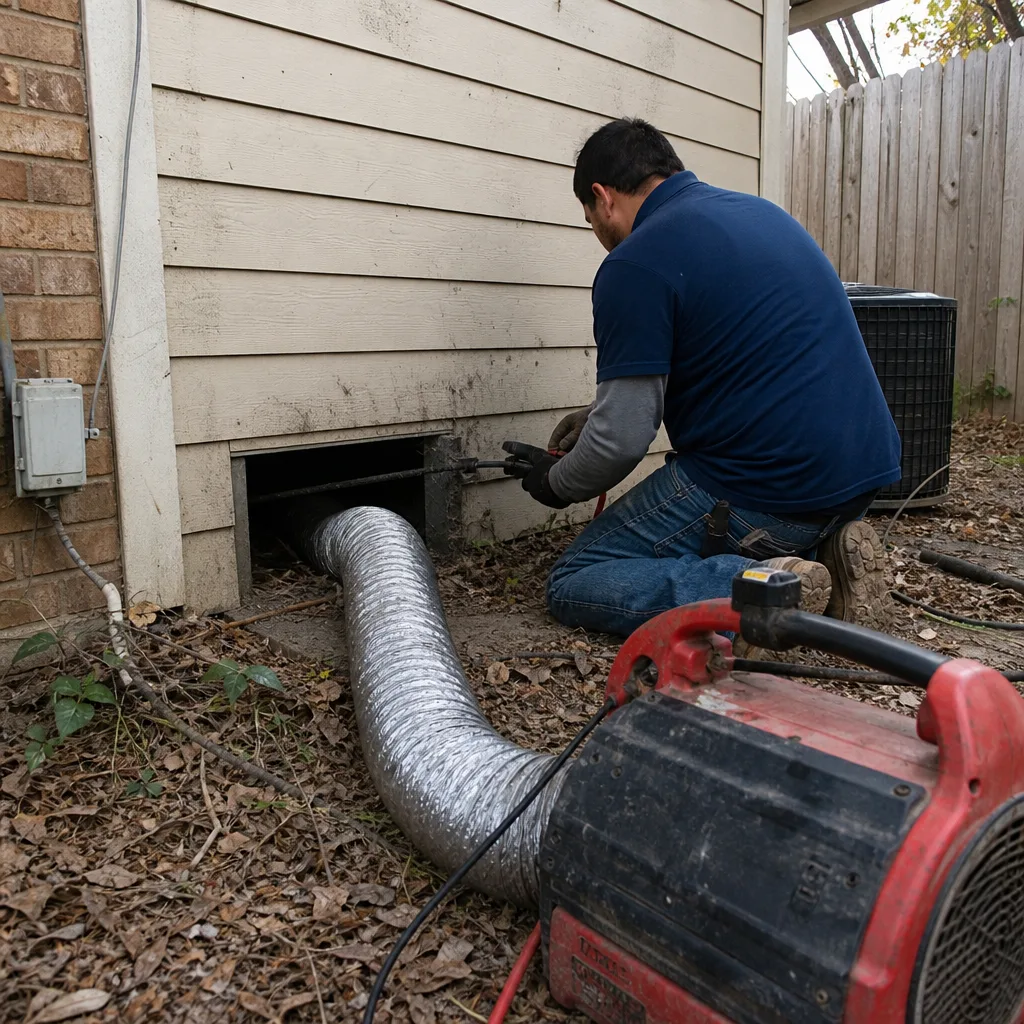 Before
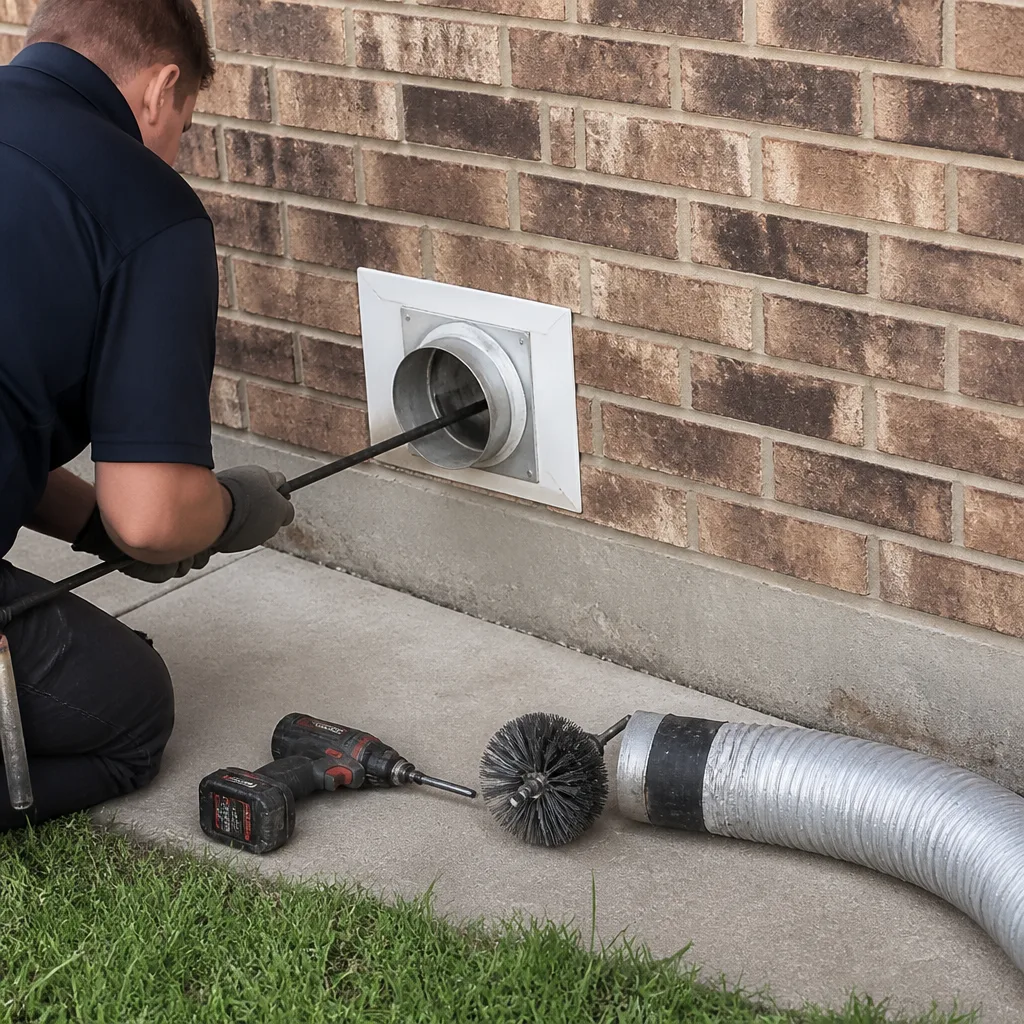 After
After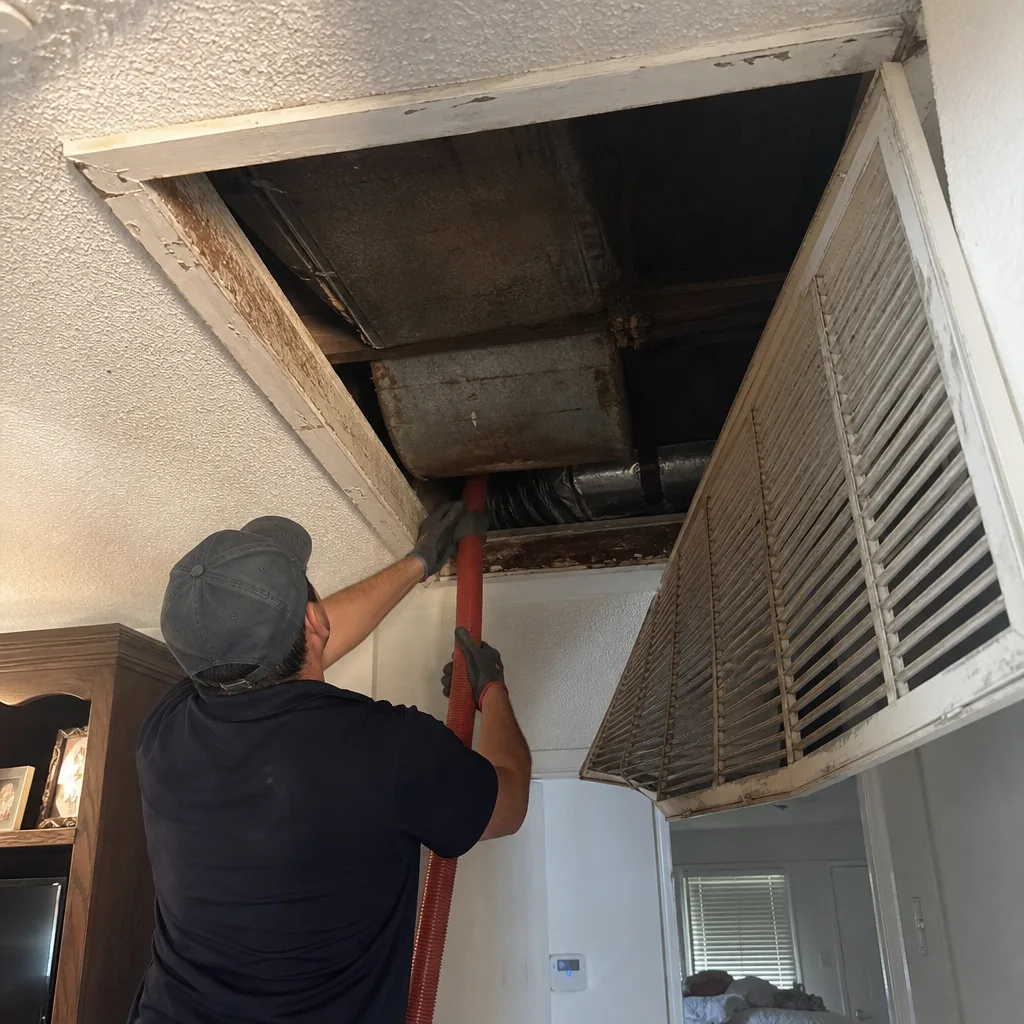 Before
 After
After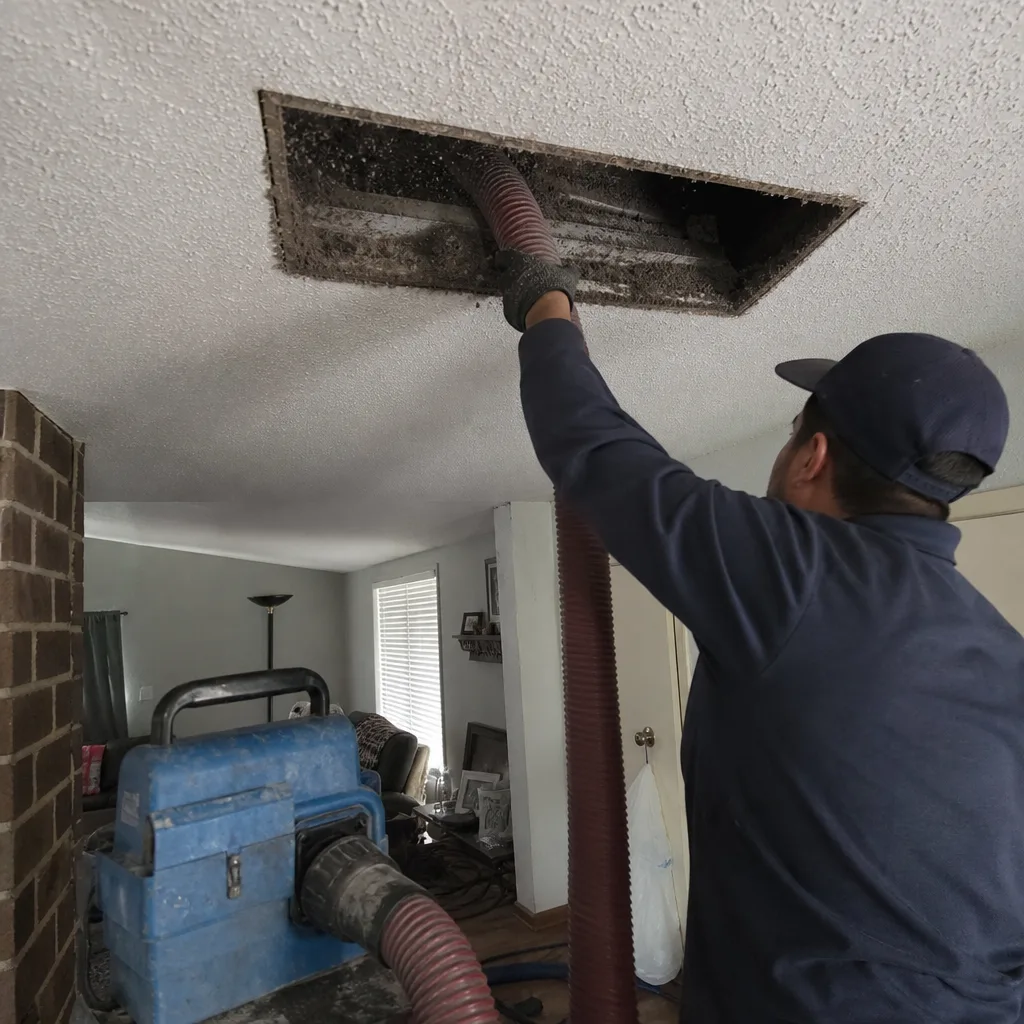 Before
 After
AfterReplacement Cost & What’s Included
For most Fort Worth homes, replacing Rotobrush vent sanitizing components lands between $180 and $420 installed. The lower end covers a clogged nozzle and a fresh feed line. The higher end includes the pump assembly, which runs more in parts cost and takes us a little longer to swap correctly. We never quote a per-vent sanitizing price or a teaser number to get a foot in the door. You get one flat price for the part and the labor, written down before any work starts, and that’s the number on your invoice.
Every vent sanitizing part we install is back by our 365-Day Done Right Promise. If the fogger isn’t performing correctly within a year, we come back and make it right. That covers both the part and the install. In Fort Worth’s climate, where summer heat bakes garages and attic-mounted units, we also recommend a quick end-of-season flush after the last job before it gets hot. It costs nothing to do and extends the life of every component in the sanitizing line, whether you’re running OEM Rotobrush or one of the Nikro or Abatement Technologies setups we also service.
DIY or Call Us?
There are a couple of things an owner can safely check. Look at the nozzle opening with a flashlight and see if it is caked with dried sanitizer. Check the feed line for obvious cracks or a loose quick-connect at the frame. Those are simple visual inspections, and they help you describe the problem accurately when you call.
What I would not do is open the main housing and start pulling the pump yourself, especially on a unit still under any kind of warranty. The wiring and the pump mount are easy to get wrong, and a pump that isn’t seated correctly will leak sanitizer into the electrical compartment. That turns a $200 repair into a much bigger one. If you’re in Fort Worth and want the part matched correctly and the job done without having to order the wrong fitting twice, call us at (682) 432-0424. We’ll tell you over the phone what we think you need, quote you a firm number, and only charge you if we’re right and you want the work done.
FAQs
Most fogger nozzles last 18 to 36 months with regular use, but the hard mineral content in Fort Worth water and the heat in unconditioned garages can cut that shorter if the system is not flushed after each use.
Generally no. The diaphragm inside the pump is not serviceable as a separate part, so once it tears, the practical fix is a new pump assembly. We install OEM Rotobrush replacements for the best flow-rate match and reliable pressure.
A nozzle and feed line swap usually takes about 30 to 45 minutes. A pump replacement is closer to an hour and a half, including testing the fog output and confirming an even spray pattern before we pack up.
Yes. We carry common nozzles, feed lines, quick-connect fittings, and pump assemblies for the Rotobrush models most common in Fort Worth, and we also keep parts for Lennox, Trane, and Carrier systems. Call (682) 432-0424 and we’ll confirm what we have before you schedule.
Written by Paul Adeyemi, Owner, Morton’s Air Duct Fort Worth at Mortons Air Duct Fort Worth, serving Fort Worth and nearby areas.