
Last updated October 15, 2026
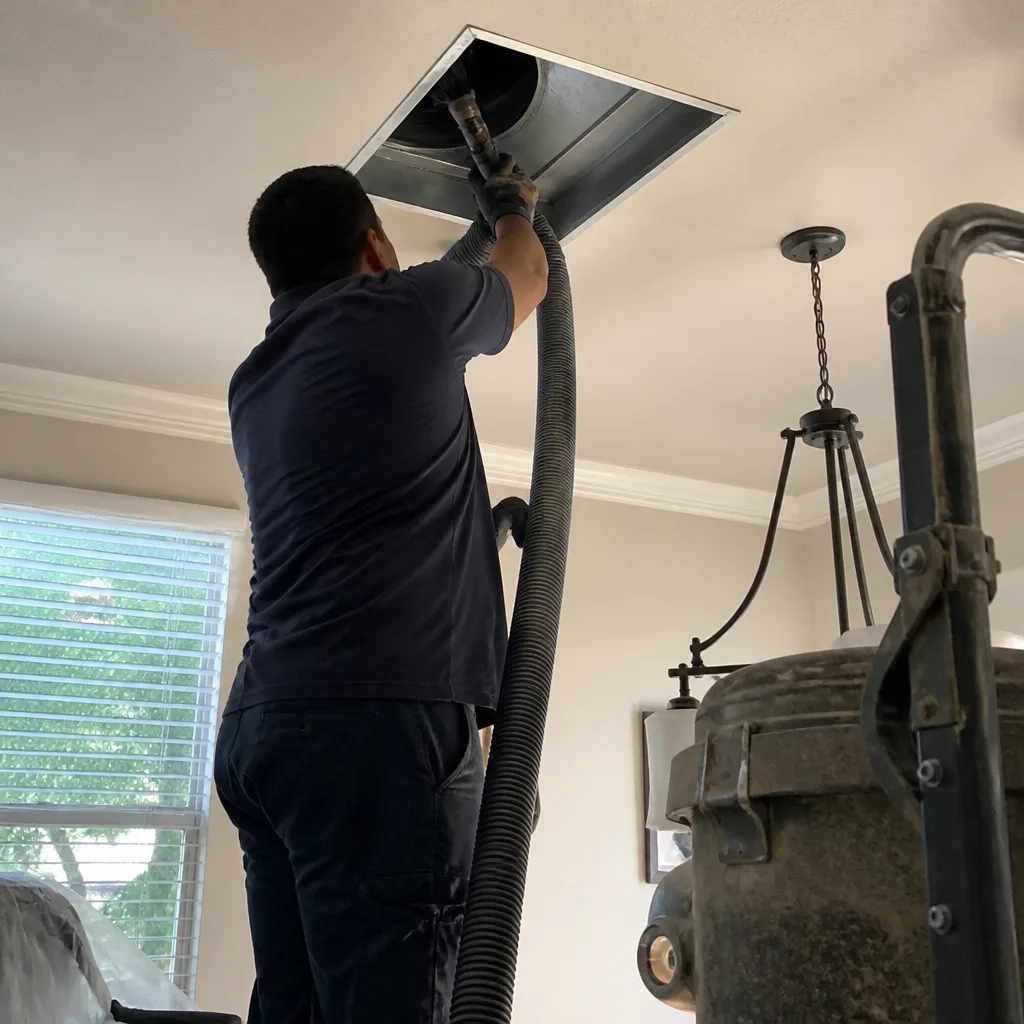
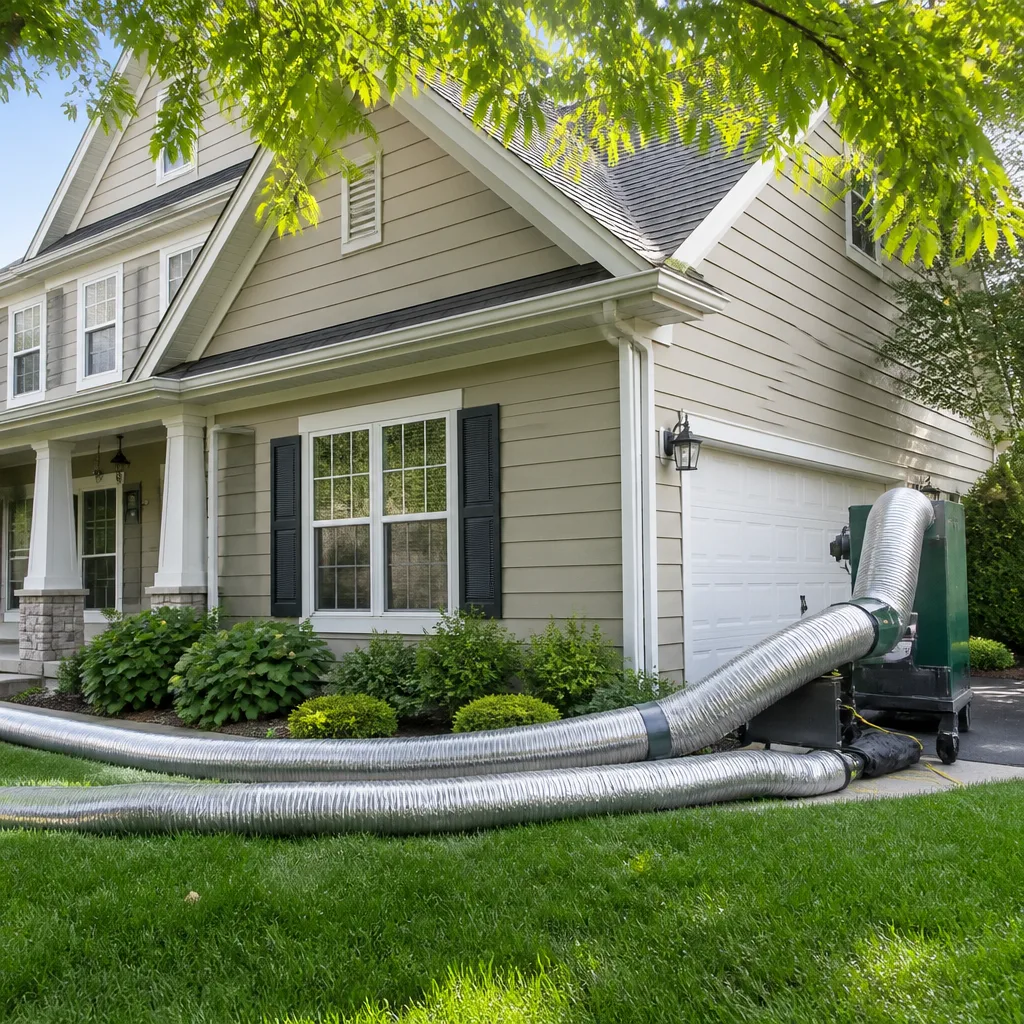 Whole-home duct cleaning
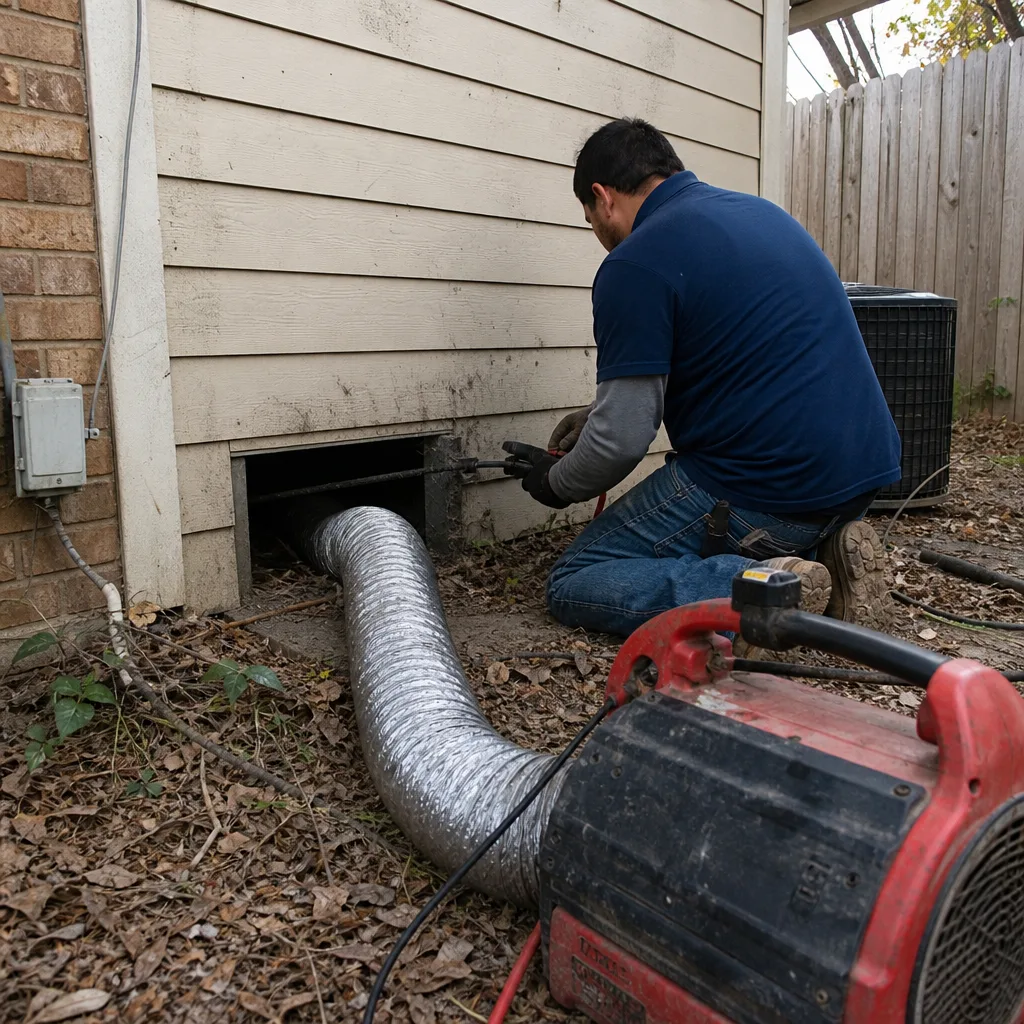
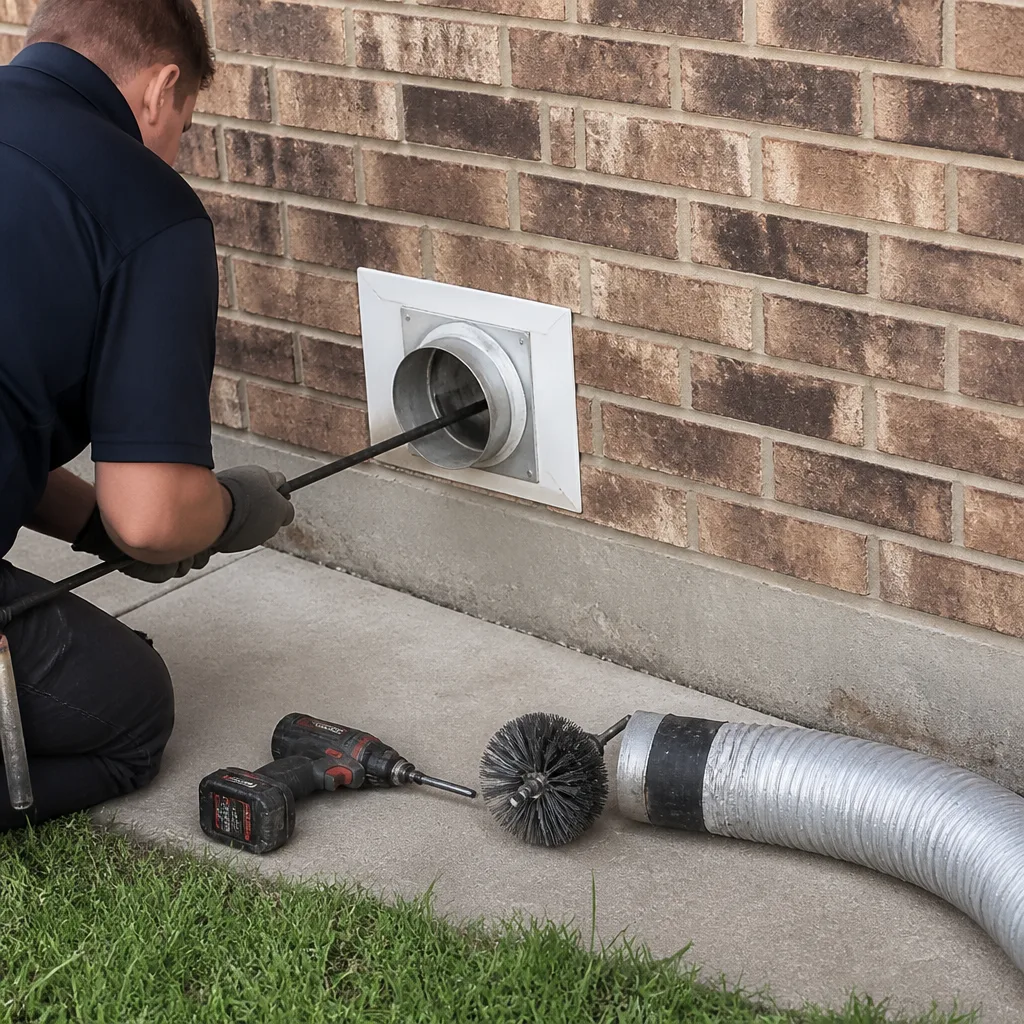
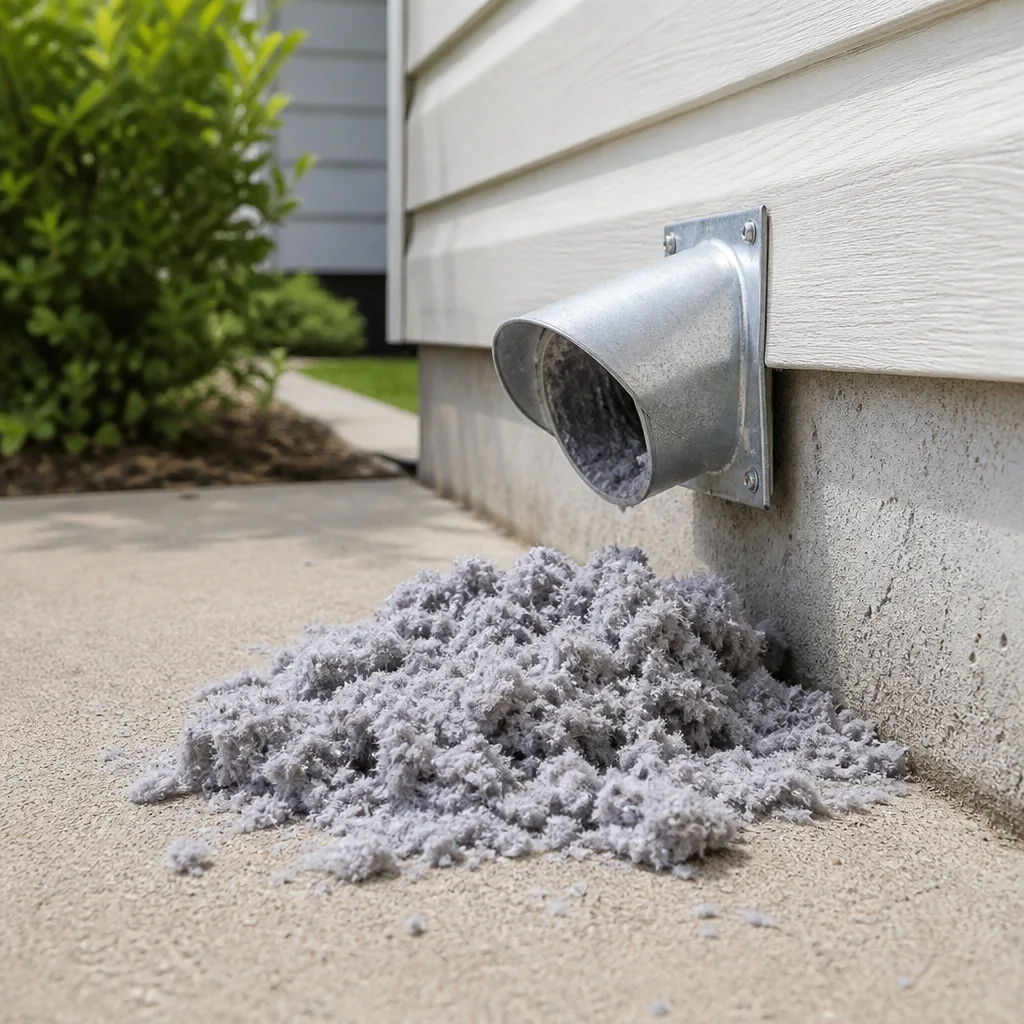 Dryer vent cleaning
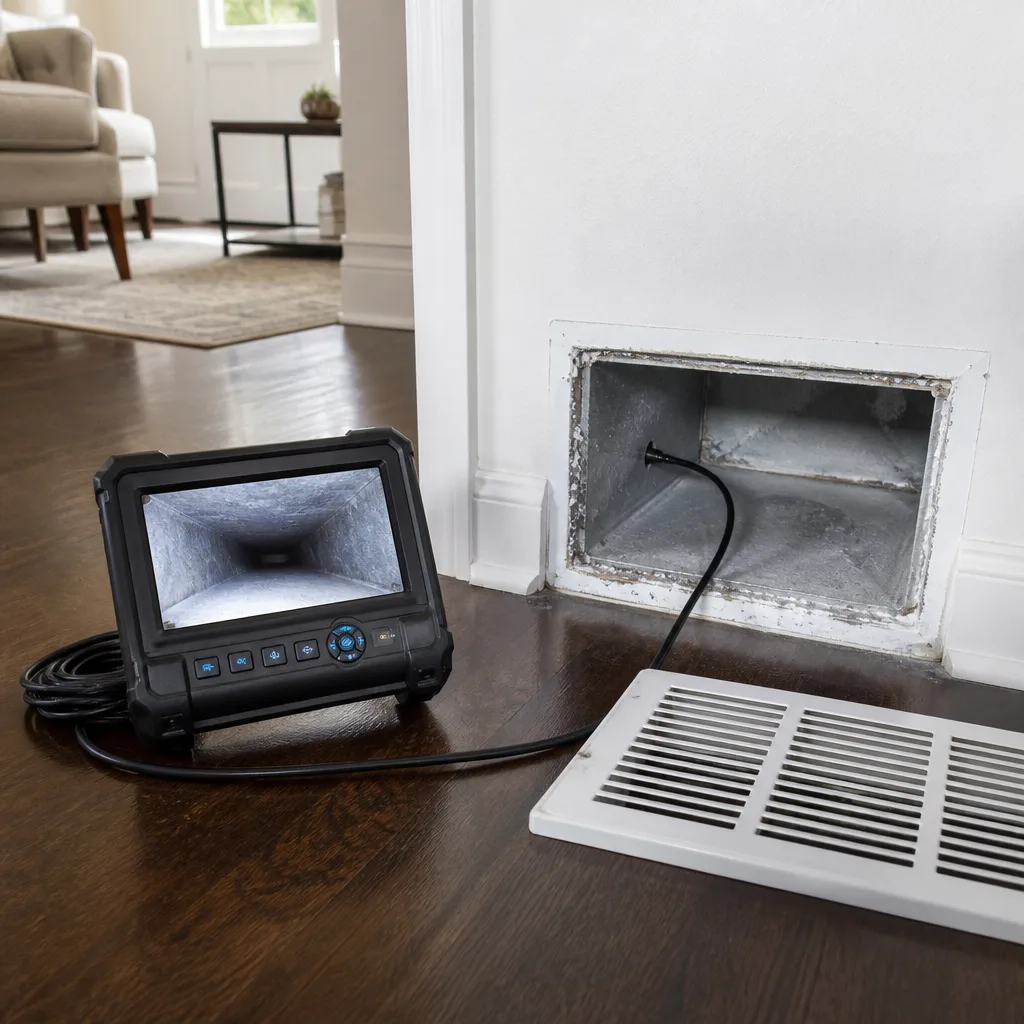 Camera inspection
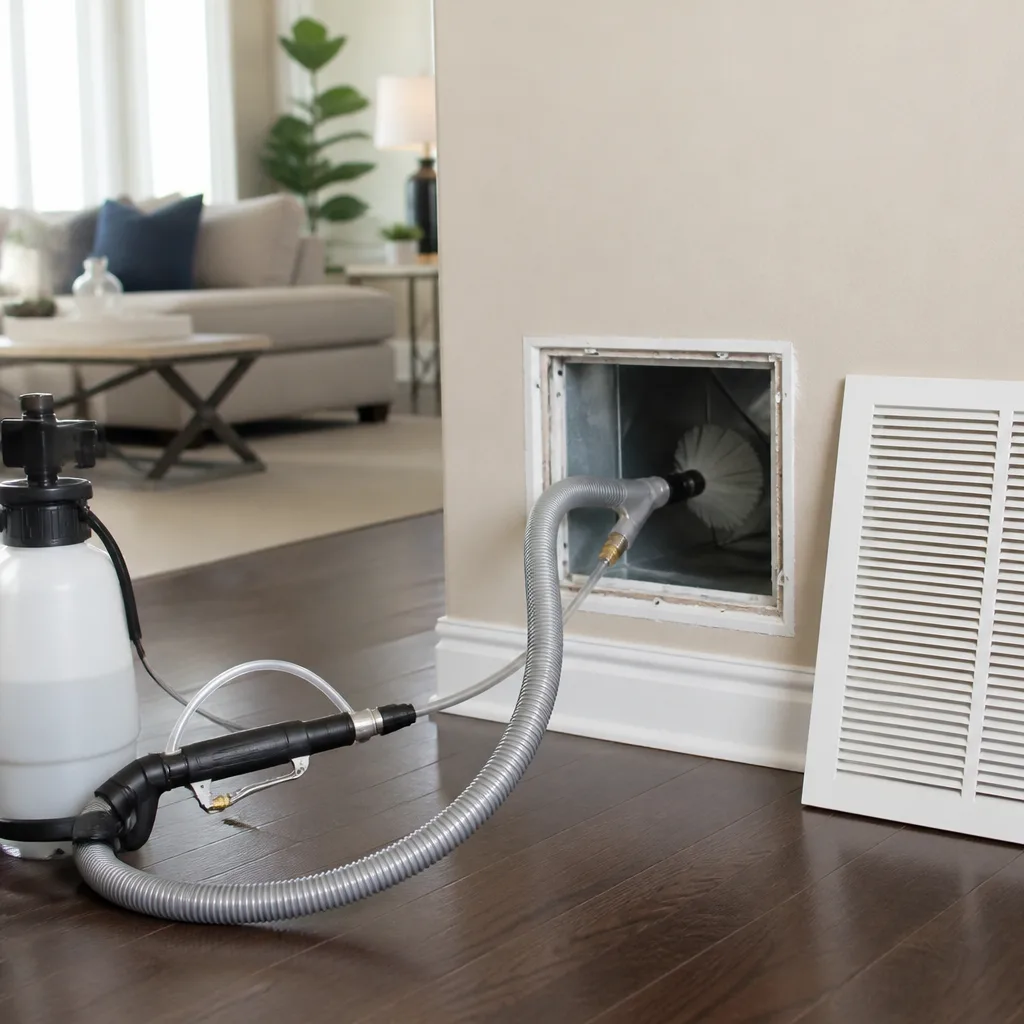 Sanitizing & deodorizing
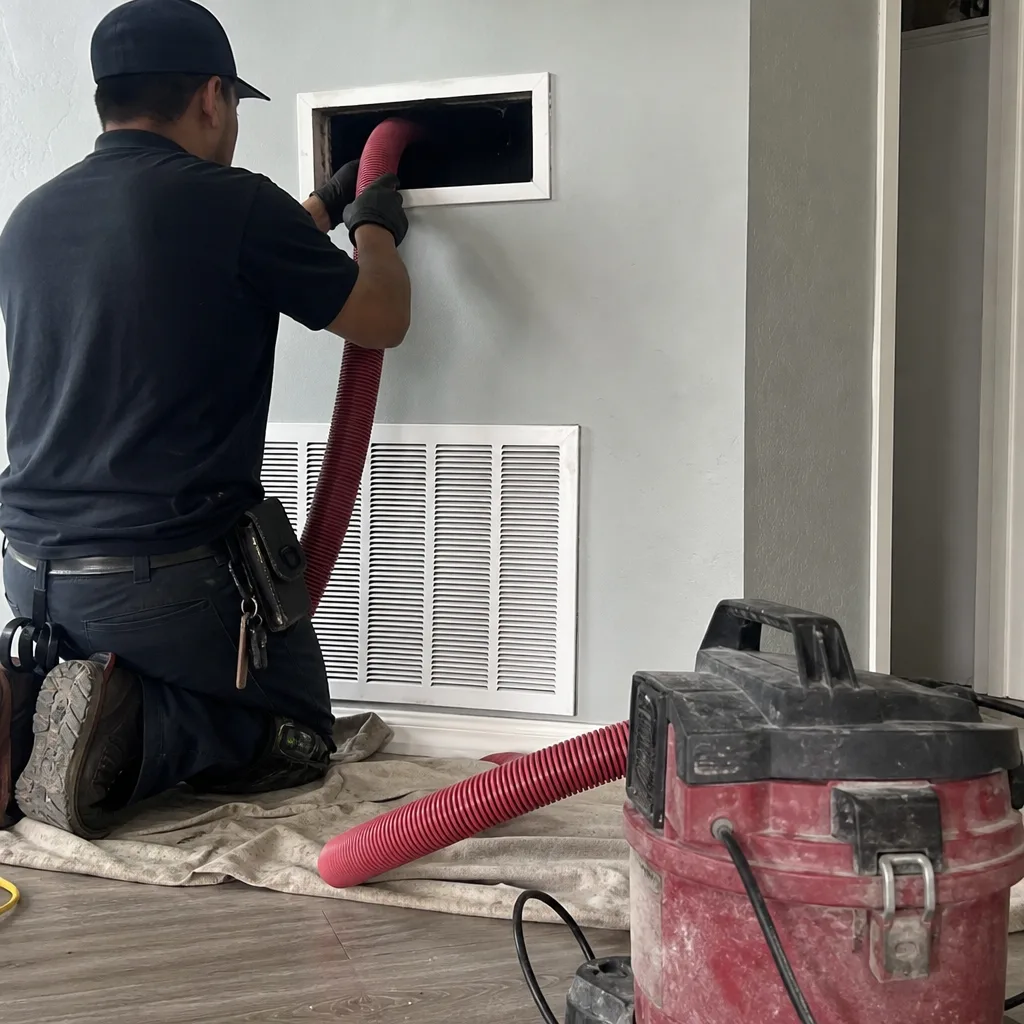
Whole-system duct and dryer vent check with before-and-after photos - you see exactly what came out of your vents
That "$99 whole-house special" is a bait ad - the real number appears once they are in your hallway, or the "clean" is a shop-vac at the register. We photograph the inside of your ducts before and after instead.
How to Hire a Air Duct Cleaning Contractor in Fort Worth: A Step-by-Step Guide
The EPA has been warning consumers about “$49 whole-house” air duct cleaning offers since the 1990s, yet those exact flyers still circulate in Fort Worth Facebook groups and land on doorsteps every spring. Families still answer the door. The reason this bait works is simple: most homeowners have no framework for evaluating a duct cleaning contractor beyond the price on the coupon. This guide gives you that framework. You will learn the five questions that separate a real technician from a salesperson with a truck, what legitimate credentials actually look like in Texas, how to spot bait-and-switch pricing before it happens, and the red flags specific to the Fort Worth market.
Styles & brands we work with
Quick Answer
Hiring an air duct cleaning contractor in Fort Worth comes down to asking five questions before you book: what equipment will you use, will you provide a written all-inclusive price before starting, what does your insurance actually cover, can you show me a local physical address, and how do you handle post-job verification. A legitimate contractor answers all five directly, provides a Certificate of Insurance on request, quotes the whole system rather than per-vent pricing, and delivers a written price before any work begins.
Table of Contents
- The Five Questions That Separate Technicians from Solicitors
- What Legitimate Credentials Look Like in Texas
- How to Spot Bait-and-Switch Pricing Before It Happens
- Why Equipment Brands Matter More Than You Think
- What to Notice During the Pre-Job Walkthrough
- Red Flags Specific to the Fort Worth Market
- How to Verify the Work Was Actually Done
- Common Mistakes to Avoid
- When to Call a Professional
- Frequently Asked Questions
- The Bottom Line
The Five Questions That Separate Technicians from Solicitors
The duct cleaning industry has more unverified operators than almost any other home service trade. In Fort Worth, where a single Facebook Marketplace post can launch a “company” by afternoon, the difference between a trained technician and someone who rented a shop vac is not visible from a logo or a van wrap. The difference emerges in the answers to five specific questions. Ask all five before you book. If a contractor stumbles on two or more, thank them for their time and move on.
Here is the conversation script, explained so you understand what a good answer sounds like and why it matters.
- “What equipment will you use on my ducts?” – A real technician names brands without hesitation. They say Rotobrush or Nikro or Abatement Technologies, and they can explain why the equipment matters. A solicitor says “commercial-grade equipment” and changes the subject. The equipment is the job. If they cannot name it, they likely do not own it.
- “Can I see the written price before you start any work?” – The only acceptable answer is some version of yes, always, every time. A written price before work begins means the contractor has a process, not a pitch. If they hesitate, say they price per vent, or tell you they’ll know once they get inside, walk away.
- “What does your liability insurance actually cover?” – Ask for the Certificate of Insurance. Not proof of insurance. The Certificate. It names the insurer, the policy limits, and the covered operations. In Texas, duct cleaning contractors should carry general liability. If a contractor cannot produce this document within an hour, they do not have the coverage they claim.
- “Where is your physical address in Fort Worth?” – A legitimate local business has a real address. Not a PO box. Not a virtual office. A place where a person answers the phone and files are kept. If the company operates entirely through a cell phone and a website, you have no recourse if the job goes wrong.
- “How will you show me the work was actually done?” – The right answer includes before-and-after photos of your own ducts. In 2026, a contractor who cleans ducts without documenting the process is asking you to take it on faith. Faith belongs in church, not in your HVAC system.
What Legitimate Credentials Look Like in Texas
Texas does not license air duct cleaners at the state level. This surprises most Fort Worth homeowners, because it means anyone with a truck and a vacuum can legally charge for duct cleaning tomorrow. The licensing vacuum is exactly why the five questions above matter. But there are still legitimate credentials that signal a real operator, and you should know what they are.
The most recognized industry association is NADCA, the National Air Duct Cleaners Association. NADCA membership requires adherence to a published cleaning standard and continuing education. Not every good contractor is a member, and membership alone does not guarantee quality, but it is the strongest third-party signal available in this trade. Ask if the contractor follows NADCA ACR standards, and see if they know what ACR means. The answer tells you a lot.
On insurance, do not settle for a verbal yes. Ask for the Certificate of Insurance, which should name the contractor as the insured, show general liability coverage, and list the policy’s effective dates. A proper Certificate is generated by the insurer or agent, not typed up by the contractor. In our experience, we have seen Fort Worth homeowners handed homemade “certificates” that mean nothing. If it does not come from an insurance agency, it is not insurance.
Also ask about worker’s compensation coverage or an exemption. If a crew member is injured on your property and the contractor carries no coverage, the liability can land on your homeowner’s policy. This is a dry question, but it matters more than the color of the van.
How to Spot Bait-and-Switch Pricing Before It Happens
The most common pricing model in duct cleaning is also the most abused: per-vent pricing. A company advertises “$9 per vent,” arrives at your home, and suddenly discovers you have 17 vents when the county average for a home your size is 10. The final invoice is three times the teaser figure. This is not an accident. It is the model.
Here is how the three pricing structures actually work in Fort Worth, so you can recognize each one on the phone:
- Per-vent pricing: You are quoted a low per-vent rate. The final price depends on how many vents the technician “finds” after arriving. This is the classic bait-and-switch structure. Avoid any contractor who quotes per vent.
- Per-system pricing: You are quoted a single price for the whole duct system, including the supply and return sides, the air handler or plenum, and the registers. This is the standard for legitimate operators. One price covers the system, agreed before work starts.
- All-inclusive written estimate: This is the gold standard. You receive a written price, in dollars, for the entire job, before the crew unloads any equipment. The price includes all phases of the clean, any access-cutting that may be needed, and the final walkthrough. If the contractor cannot produce this document, the price is not real.
Whole-system Air Duct Cleaning services in Fort Worth typically runs between $350 and $650 for a standard single-family home, depending on the size of the system, its accessibility, and the level of contamination. If someone quotes you $99 for the whole house, they are selling access to your home, not a clean. The math does not work any other way.
Why Equipment Brands Matter More Than You Think
The difference between a $49 clean and a $500 clean is not just effort. It is equipment. And equipment, in duct cleaning, is a specific thing. The industry-trusted tools are negative-air machines and rotary brush systems from manufacturers like Nikro, Abatement Technologies, and Rotobrush. These machines create genuine negative pressure inside the duct system and physically agitate the debris. A shop vac taped to a hole in the plenum does not.
Here is what happens with entry-level gear. A technician cuts one hole in the supply side, inserts a hose attached to a portable vacuum, and runs it for twenty minutes. The vacuum pulls air from the nearest return, so only the section of duct nearest the hole gets cleaned. The rest of the system remains untouched. You pay for a whole-house clean and receive a spot clean of one branch line.
A negative-air system from a brand like Nikro or Abatement Technologies connects to the trunk line and pulls air through the entire system, branch by branch. A rotary brush from Rotobrush agitates the duct walls so debris releases rather than sticking. These are not interchangeable tools. Ask the contractor what they use, and do not accept “commercial grade” as an answer. That phrase is the verbal equivalent of a blank space.
At Mortons Air Duct Fort Worth, the crews work with negative-air and rotary-brush equipment from brands including Nikro, Rotobrush, and Abatement Technologies. We name the equipment because naming it is the point. A contractor who owns professional gear is proud of it. One who rented a vacuum is vague about it.
What to Notice During the Pre-Job Walkthrough
The pre-job walkthrough is the most revealing fifteen minutes of the entire process. Before any work begins, a technician should walk the home with you, identify the supply and return registers, locate the air handler and filter, and explain exactly what will happen and in what order. If the contractor arrives and starts unloading equipment without a walkthrough, that is a sign of a rushed job.
Pay attention to three things during the walkthrough.
- Do they protect the house before they start? Listen for specifics. Shoe covers. Drop cloths under work areas. Corner guards on walls if a hose will run through a hallway. At Morton’s, shoe covers and drop cloths are part of the Cedarwell Care Promise and go down on every visit, from the front door to the equipment. If a contractor walks in with boots on and sets a toolbox on your dining table, the walkthrough already failed.
- Do they ask about kids and pets? A careful technician notices the dog on the floor and the toddler napping down the hall. They ask if they should work around nap schedules, avoid certain rooms, or use pet-safe cleaning products where available. This is not small talk. It tells you whether the contractor sees your house as a worksite or as a home with people living in it.
- Do they explain the sequence? A real professional can explain the job in order: seal the registers, cut the access if needed, connect the negative-air machine, agitate with the rotary brush, clean the return side, clean the supply side, reseal everything, and show you the photos. If the explanation is vague, the work will be vague too.
The communication style before the job matters as much as the equipment. A contractor who cannot explain the process clearly before starting will not be easier to reach after the invoice is paid.
Red Flags Specific to the Fort Worth Market
Fort Worth has a unique combination of factors that make it a target market for duct cleaning operators who should not be in anyone’s home. The housing stock is aging, spring allergy season hits hard, and the metroplex is large enough that unlicensed subcontracting is hard to trace. Here are the red flags we see most often, in the words of homeowners who called us after the fact.
- No physical address in Fort Worth. If the company’s only footprint is a cell phone number and a website, you have no recourse. Ask for a street address. Drive by if you want. A legitimate local business exists somewhere.
- Pressure to add mold treatments during a first visit. This is the most common upsell in the industry. The technician “discovers” mold during the cleaning and recommends an immediate $800 antimicrobial treatment. If mold is a genuine concern, hire a separate licensed mold assessment professional. A duct cleaner who diagnoses mold during a cleaning is selling, not testing.
- Unlicensed subcontracting. Some companies sell the job, then hand it to a subcontracted crew who was not vetted, is not insured under the company’s policy, and is paid by the job rather than the hour. Ask directly: “Are the technicians who come to my home your employees, or subcontractors?” A direct answer is the only acceptable response.
- Cash-only demands. Legitimate contractors in Fort Worth accept normal payment methods. A demand for cash or a cash discount should make you pause.
- Door-to-door solicitation with “leftover” materials from a neighbor’s job. This is a seasonal scam in southwest Fort Worth and the older neighborhoods around TCU and the hospital district. The pitch is always the same: they were in the neighborhood, they noticed your system, they can offer a deal. Legitimate air duct cleaning contractors do not go door to door with leftover capacity.
How to Verify the Work Was Actually Done
Ducts are invisible infrastructure. You cannot see most of the system without a camera, which means verification is the weak point of the entire transaction. A contractor who cannot prove the work was done is asking you to trust a bill. Here is what legitimate verification looks like.
First, ask for before-and-after photos of your own ducts, taken with a camera scope, not a smartphone pointed into a register. The photos should show the same duct section before cleaning and after cleaning, with visible debris reduction. At Mortons Air Duct Fort Worth, every completed job includes a photo of the clean-up before the crew leaves, so you see the system and the work area as they were left.
Second, inspect the registers themselves. Pop off a couple of supply grilles and look at the inside walls. You should see clean metal, not dust caked to the sides. Run a white cloth just inside the duct. It should come back white or nearly white.
Third, check the filter. A clean duct system moves air differently. Your filter should not be clogged within a week of the cleaning. If it is, debris was dislodged and never fully extracted, which means the negative-air machine was undersized or the job was rushed.
Fourth, run the system for twenty minutes and walk the house. The smell you noticed before should be significantly reduced. The air should feel drier, lighter. If nothing changed, ask the contractor to explain why, and hold them to whatever guarantee they advertised. A contractor who stands behind the work will return and make it right. We put this in writing at Morton’s with the 365-Day Done Right Promise: if the job is not right, we make it right. Full stop. Ask any contractor you consider what their equivalent is.
Common Mistakes to Avoid
- Choosing solely on price. The cheapest bid in Fort Worth duct cleaning is almost always a per-vent quote that grows on arrival. Price matters, but it should be the fourth or fifth consideration, not the first.
- Not asking for the written price before work starts. A verbal estimate is not an estimate. It is a suggestion. Get it in writing, in dollars, for the whole system.
- Skipping the Certificate of Insurance. If a crew member is injured on your property and the contractor carries no coverage, your homeowner’s policy can be the backup plan. Ask for the Certificate before the crew arrives.
- Believing door-to-door offers. “We noticed your system from the street” is not a real thing. In the established neighborhoods of Fort Worth where mature trees drop debris into roof vents, the door-to-door pitch peaks in spring. Say no thank you and close the door.
- Allowing work to begin without a walkthrough. The walkthrough is the contract’s oral version. If the contractor cannot explain the job, the equipment, and the plan before starting, do not let them start.
- Falling for the mold upsell. A duct cleaner cannot diagnose mold. That is a separate profession with separate testing. If mold is a genuine concern, call a licensed mold assessment specialist, not a cleaner with a spray bottle.
- Not verifying afterward. Ask for photos. Inspect the registers. Run the system. A contractor who did the work will be proud to show you. One who did not will make excuses.
When to Call a Professional
Some situations call for a professional rather than a filter change and patience. If you have visible dust blowing from the registers when the system cycles on, that is not a filter problem. If you smell a musty odor every time the air kicks in, especially in summer when the Texas heat forces the AC to run constantly, something is living or decaying in the ducts. If one room in the house never seems to get air, the problem may be a collapsed or disconnected branch line, not a dirty filter. And if you have never had the ducts cleaned since moving in, and the previous owners had pets, the system has been circulating pet dander through the house for years. These are all situations where a professional cleaning with negative-air equipment is the right call. Mortons Air Duct Fort Worth offers free estimates in Fort Worth, call (682) 432-0424 to schedule one. We cover the full scope of Air Duct Cleaning in Fort Worth, from supply and return cleaning to full negative-air extraction, and every job is backed by the 365-Day Done Right Promise.
Frequently Asked Questions
Whole-system air duct cleaning in Fort Worth typically costs between $350 and $650 for a standard single-family home, depending on system size, accessibility, and contamination level. A written price should be provided before any work begins, covering the entire system rather than a per-vent rate. If a quote is significantly below this range, treat it as the opening line of a sales pitch, not a real price. Call (682) 432-0424 for an exact quote, estimates are free.
Cheap quotes are almost always per-vent pricing designed to grow after the technician arrives, so the “$49 whole-house special” becomes a $400 invoice once the vent count is “discovered.” Legitimate contractors quote the whole system at one price. If the price sounds too low to pay for equipment, insurance, and a trained crew, it is too low to be real.
Ask for before-and-after photos of your own ducts, taken with a camera scope. Inspect the registers yourself and run a white cloth just inside the duct, it should come back clean. Run the system for twenty minutes and notice whether the air smells and feels different. A contractor who stands behind the work will provide visual proof and a written guarantee. Call (682) 432-0424 to ask what verification is included with each cleaning.
For most Fort Worth homes, every 3 to 5 years is a reasonable interval, more often if you have shedding pets, recent renovation dust, or family members with allergies or asthma. The Fort Worth climate, with its long AC season and spring pollen, means systems run hard for months at a time and circulate whatever lands in them. If you have never had the ducts cleaned, or cannot remember when it was last done, it is time to have them inspected. For ongoing maintenance tips, see our more guides & resources.
Yes, and most Fort Worth homeowners would benefit from scheduling both together. The dryer vent is a separate system from the HVAC ducts, and it collects lint that is flammable. A clogged dryer vent is a genuine fire risk and also forces the dryer to work harder, which shows up on the electric bill. Morton’s offers Dryer Vent Cleaning in Fort Worth as a separate service, and pairing it with duct cleaning is the most efficient way to address both systems in a single visit.
You should be home for the walkthrough and the final walkthrough, at minimum. The pre-job walkthrough sets expectations and protects your property. The post-job walkthrough lets you verify the work and see the photos. You do not need to stand over the crew the whole time, but the beginning and the end should include your presence. Any contractor who prefers you to be away for the entire job is giving you a reason to ask why.
The Bottom Line
Hiring an air duct cleaning contractor in Fort Worth is a test of your ability to ask questions and listen to the answers. The five questions in this guide, about equipment, written pricing, insurance, physical address, and verification, will eliminate most of the bad operators before they ever enter your home. The rest comes down to preference: do you want a contractor who sees your house as a worksite, or one who notices the dog on the floor and protects the floors before the work begins? The right contractor in Fort Worth is easy to find once you know what to look for. If you would like an honest assessment of your system, call (682) 432-0424 and we will walk you through exactly what we would do, what it will cost in writing, and how we will prove the work was done.
Written by Paul Adeyemi, Owner at Mortons Air Duct Fort Worth, serving Fort Worth since 2005.
See the difference
 Before
 After
After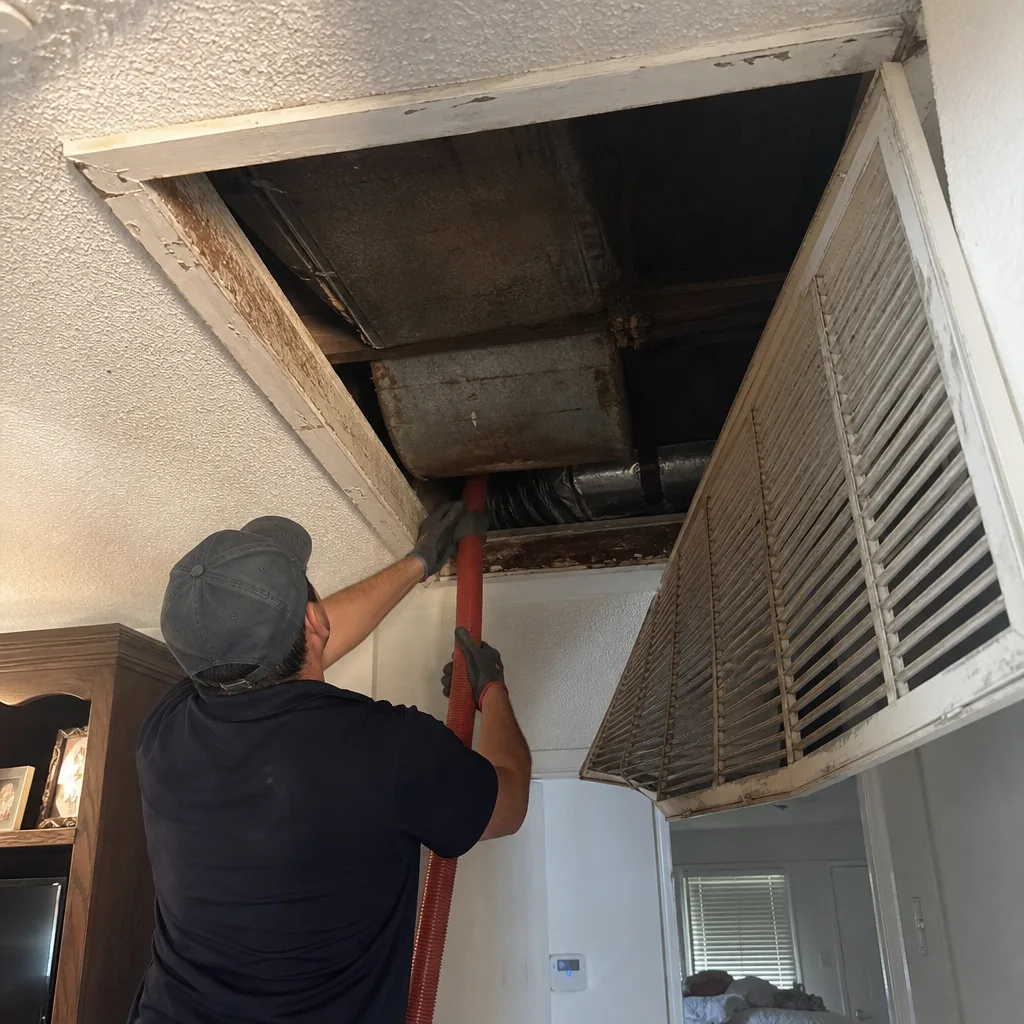 Before
 After
After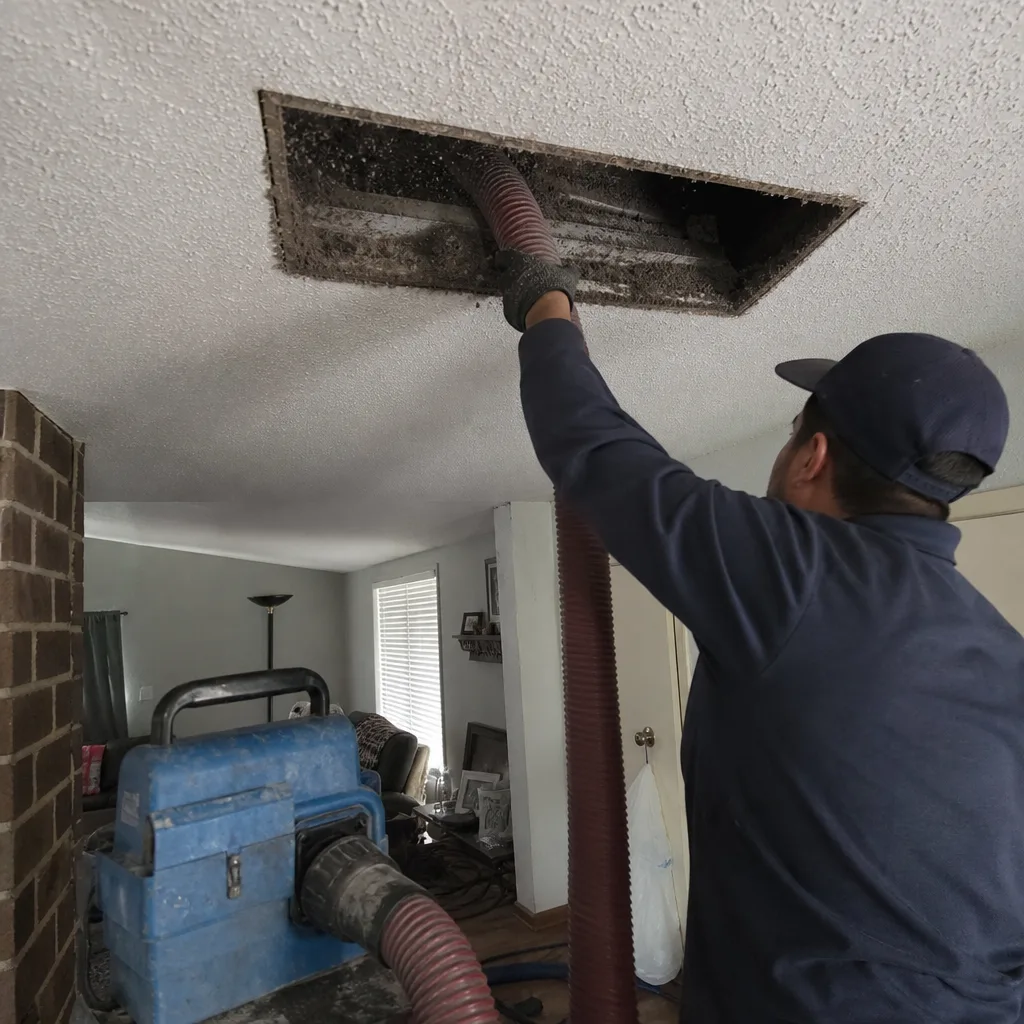 Before
 After
After