
Last updated October 15, 2026
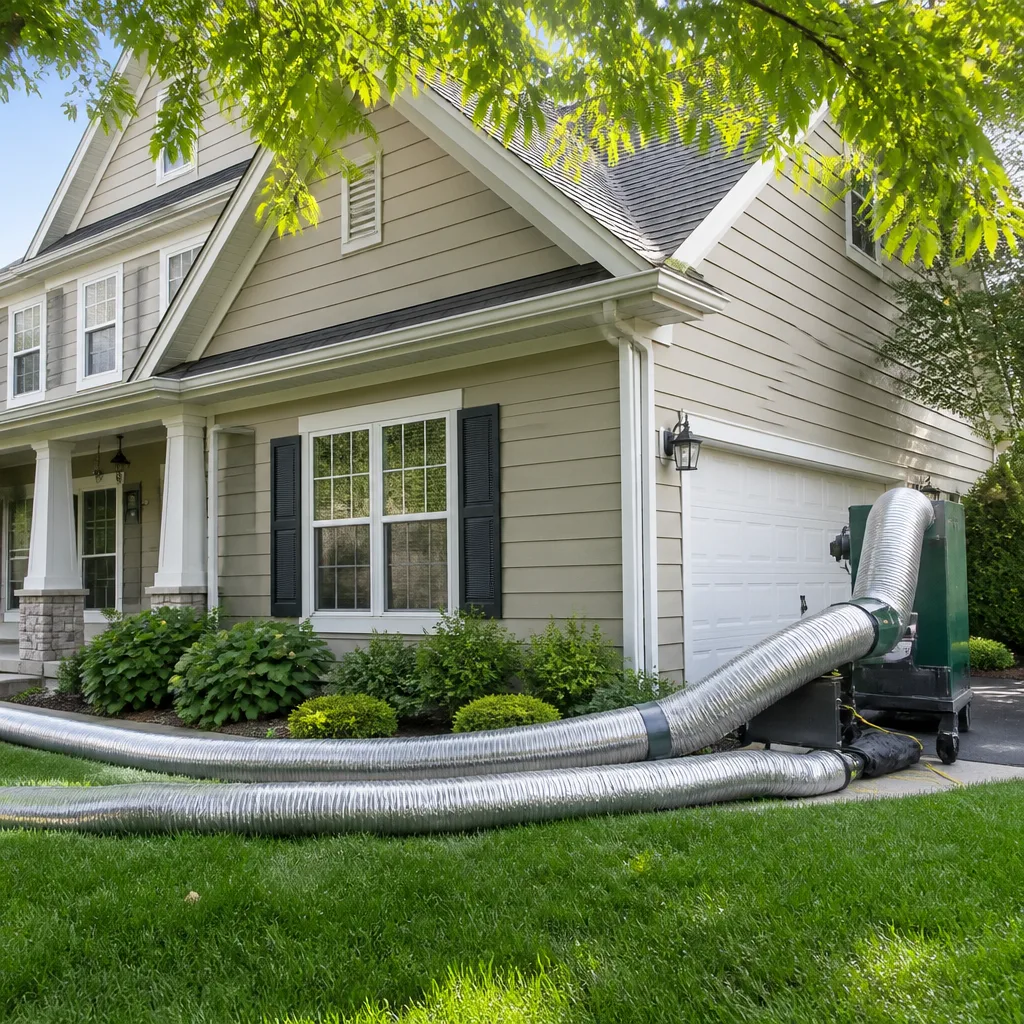 Whole-home duct cleaning
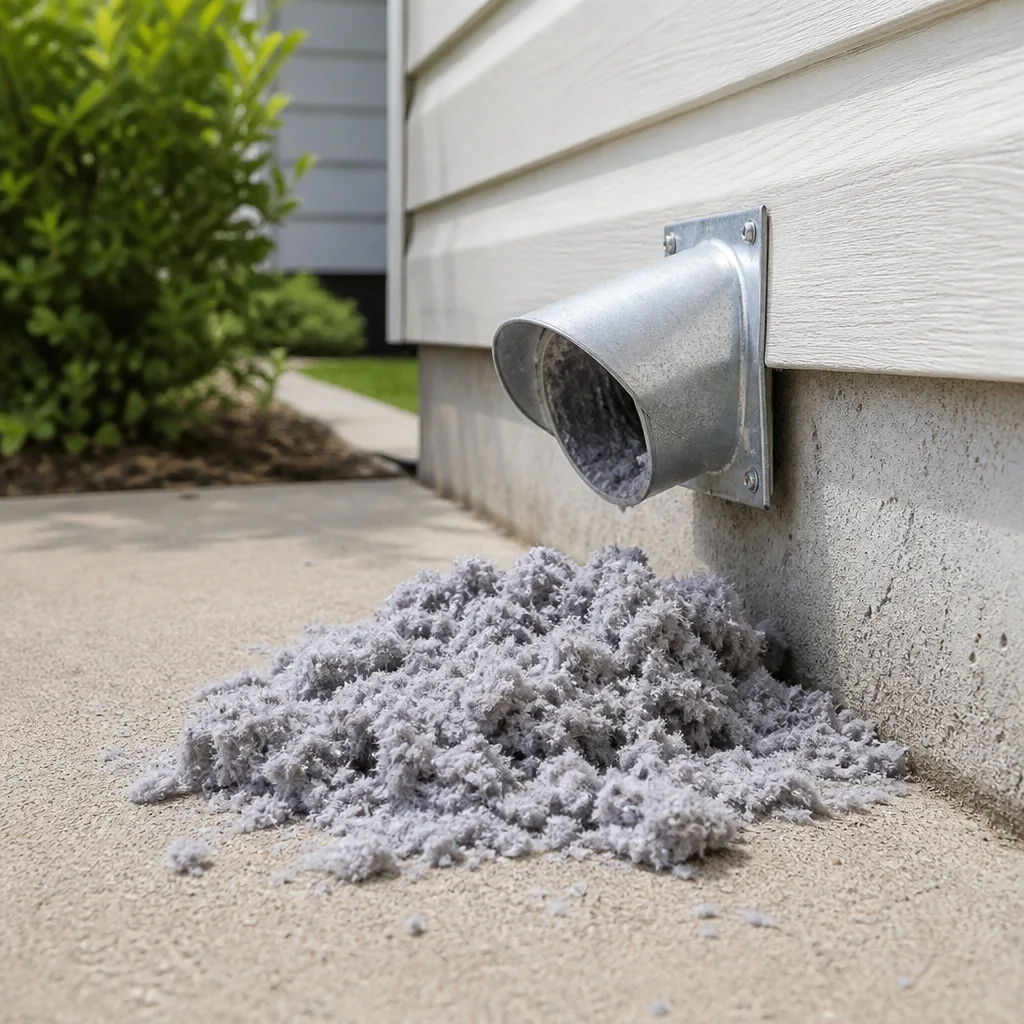 Dryer vent cleaning
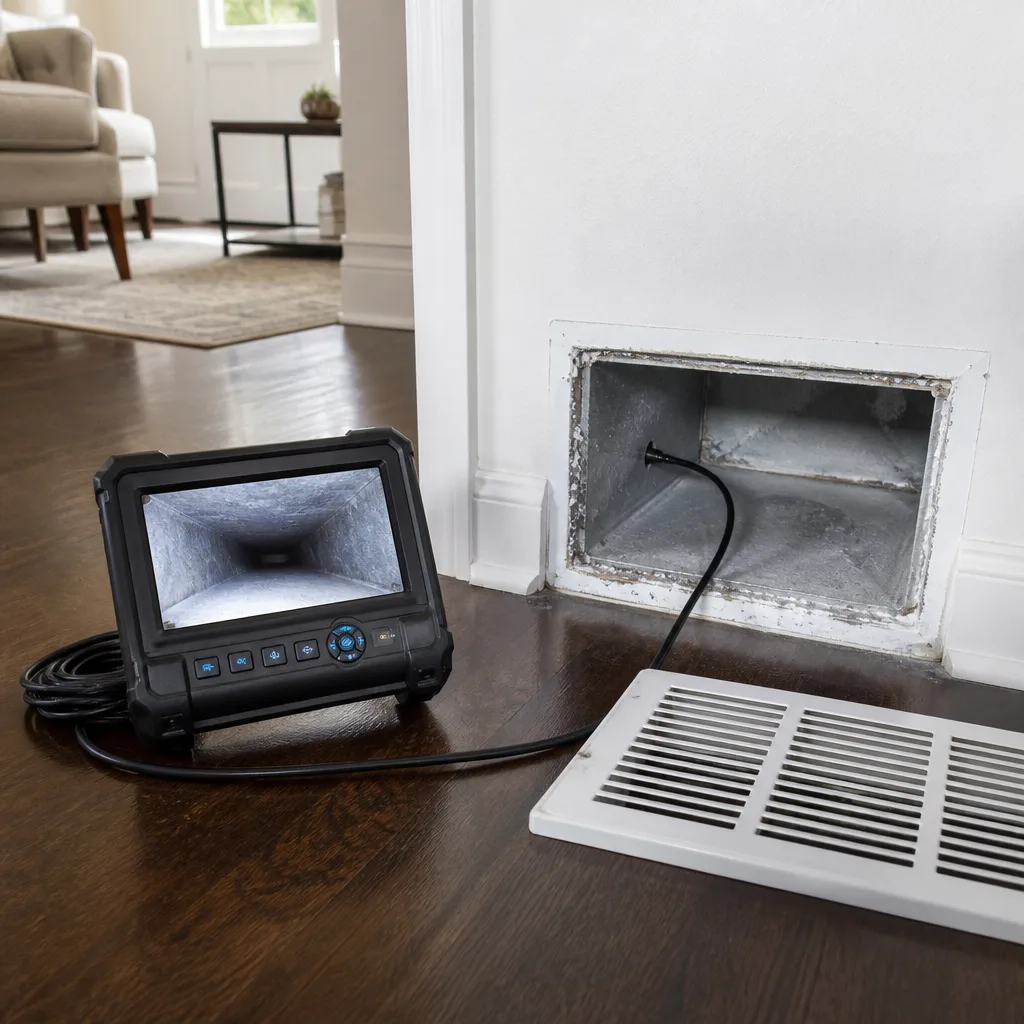 Camera inspection
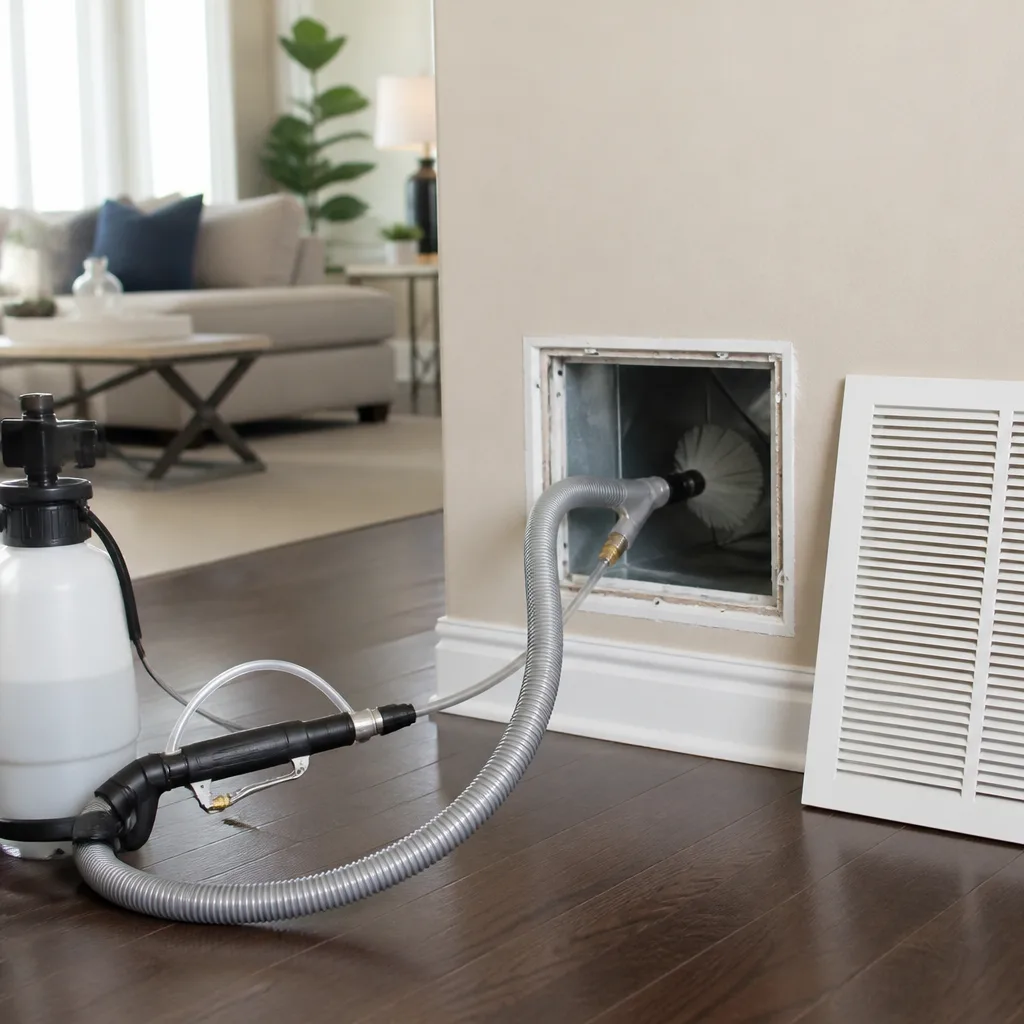 Sanitizing & deodorizing
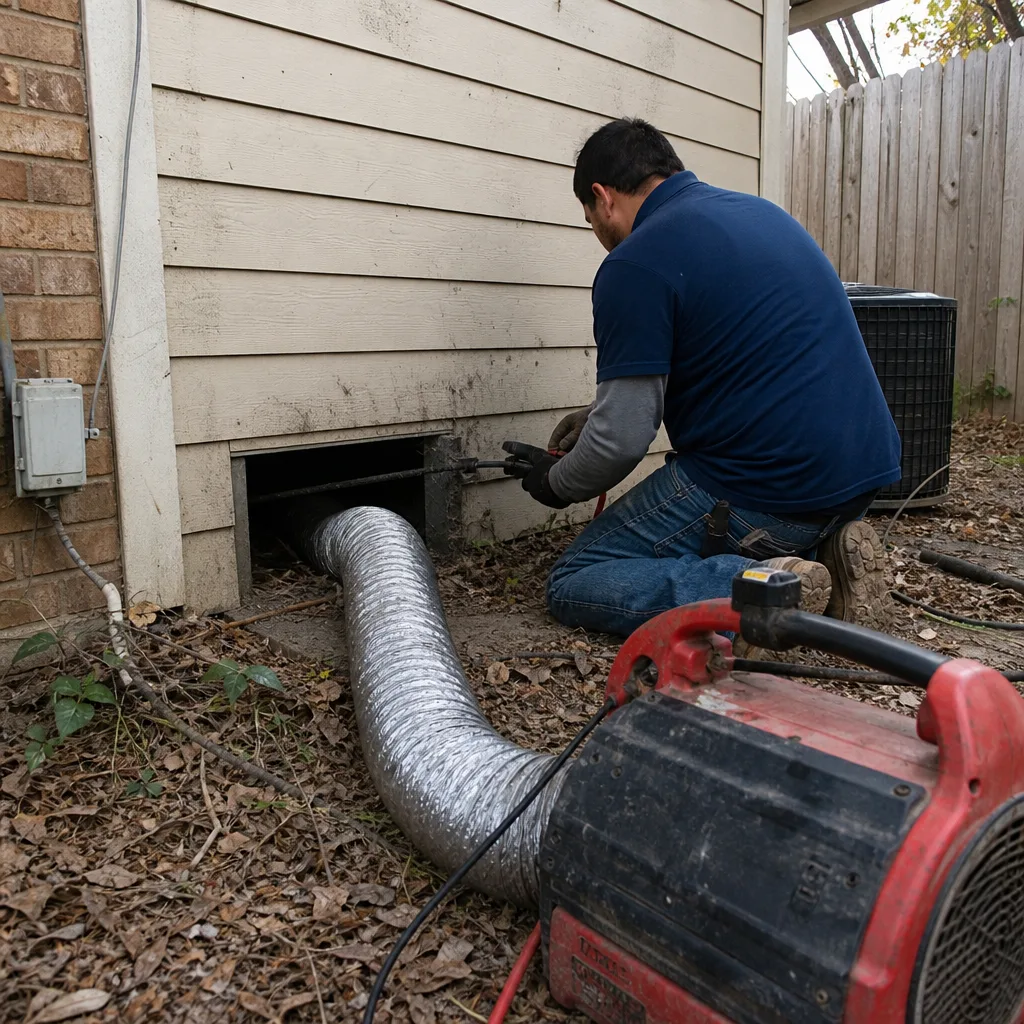
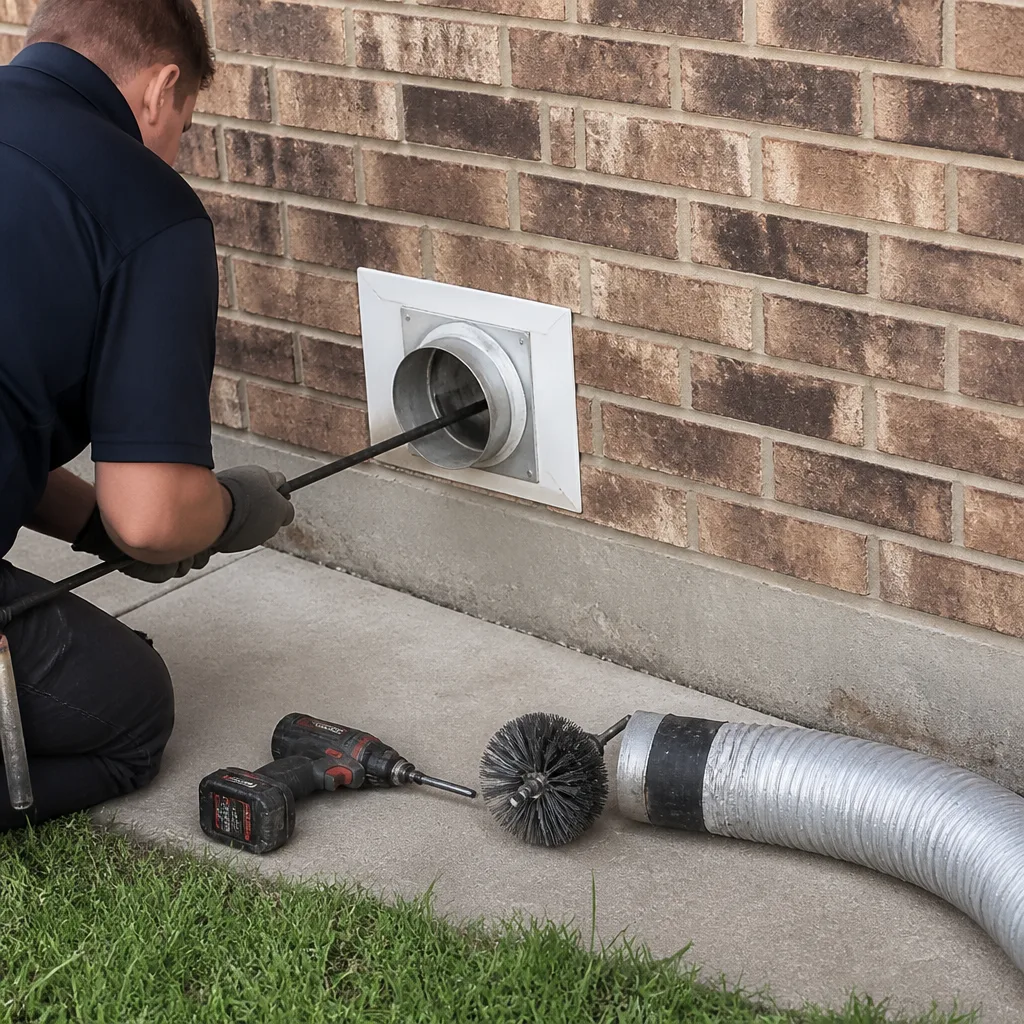
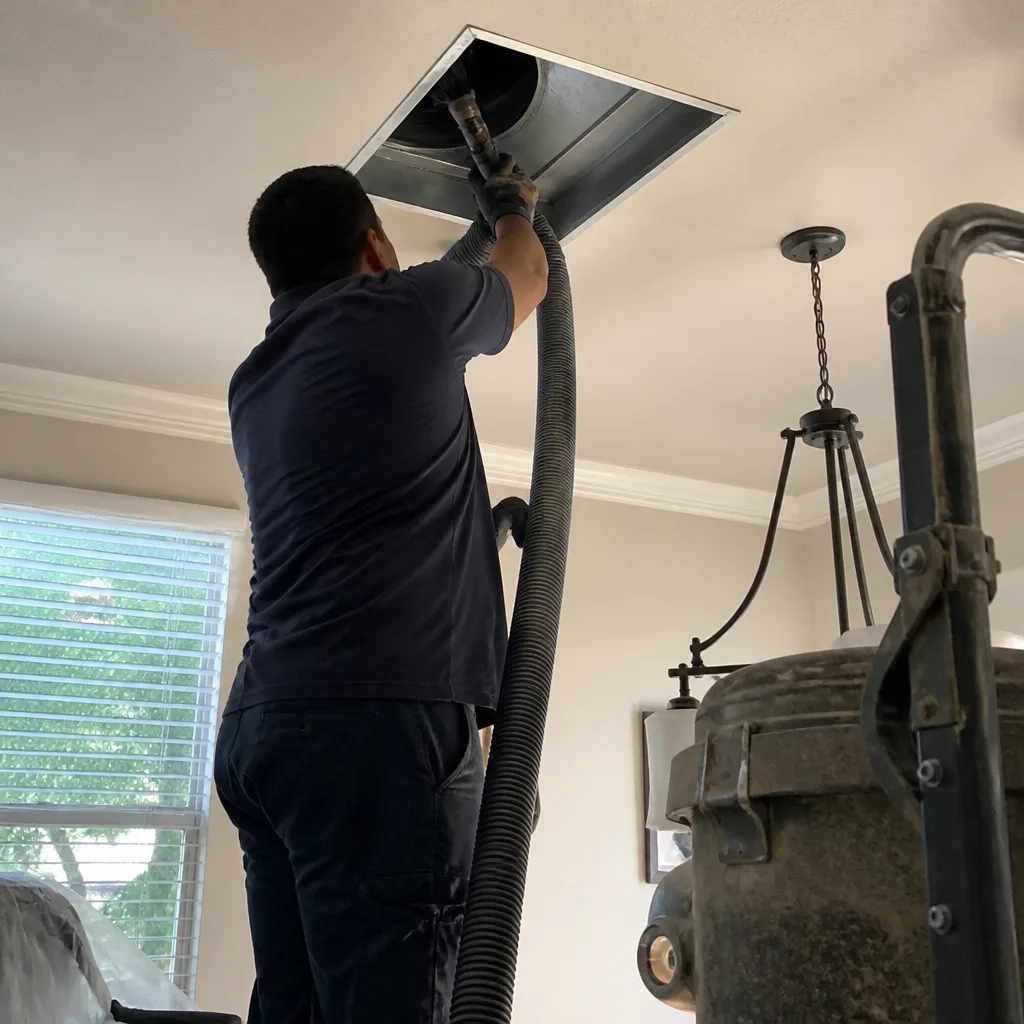
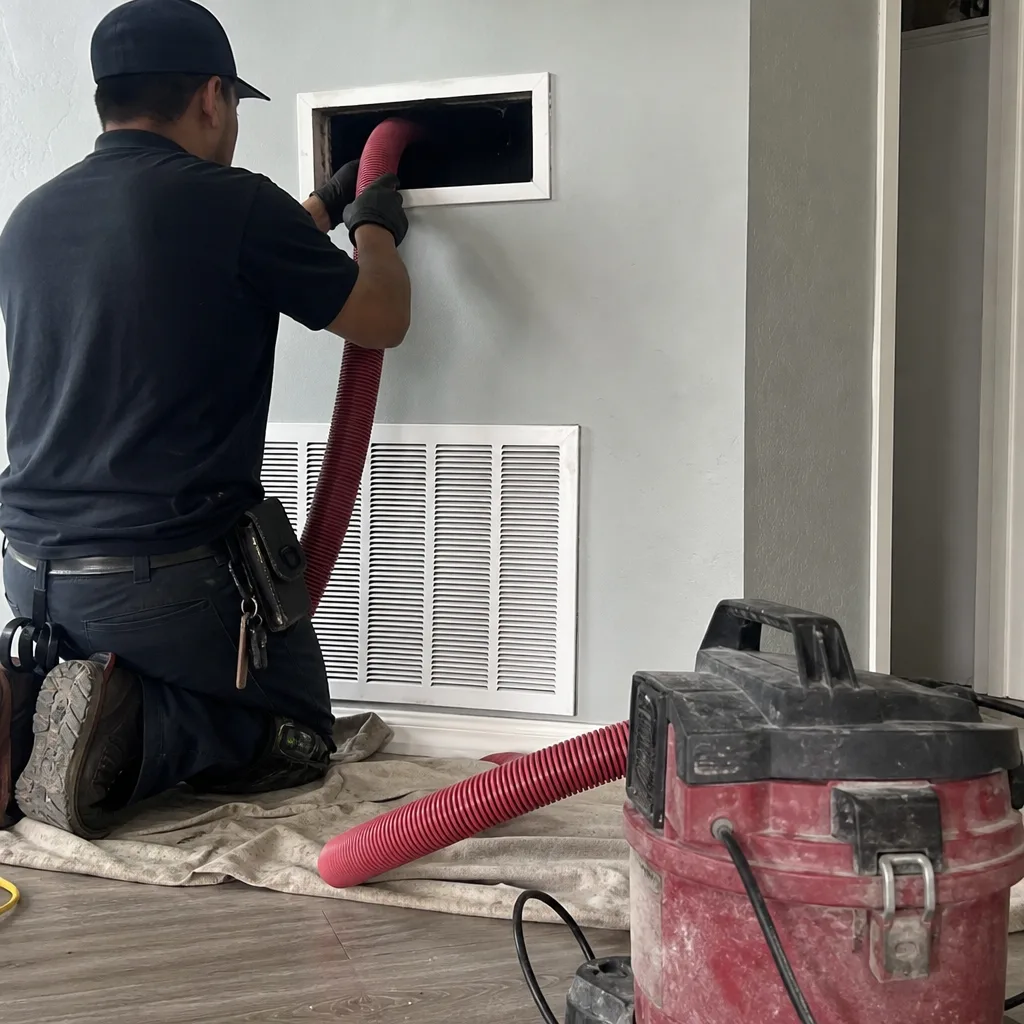
Whole-system duct and dryer vent check with before-and-after photos - you see exactly what came out of your vents
That "$99 whole-house special" is a bait ad - the real number appears once they are in your hallway, or the "clean" is a shop-vac at the register. We photograph the inside of your ducts before and after instead.
DIY vs Professional Air Duct Cleaning: The Fort Worth Homeowner’s Decision Guide
Here’s a counterintuitive fact that most DIY air duct cleaning tutorials never mention: the standard shop vacuum, the tool nearly every online guide recommends, actually creates positive pressure when inserted into a duct. That means it pushes debris further into your system rather than pulling it out. Professional equipment works on the opposite principle, and the difference between them isn’t technique, practice, or patience. It’s physics. This guide, written from our experience providing Air Duct Cleaning services across Fort Worth since 2005, will show you exactly where the DIY line sits: what you can meaningfully handle yourself, what requires professional equipment, and how to make the right call for your home without wasting money on either side of that line.
Styles & brands we work with
Quick Answer
DIY air duct cleaning in Fort Worth is effective for register faces, visible register interiors within arm’s reach, filter replacement, and clearing dryer vent exterior caps. The duct system behind your walls requires professional negative-pressure equipment from brands like Rotobrush and Nikro that costs $15,000 to $40,000, and attempting it with consumer tools can push debris deeper into the system rather than removing it. Most Fort Worth homeowners should handle the simple maintenance tasks themselves and call a professional for the actual duct cleaning, typically every 3 to 5 years.
Table of Contents
- Where the DIY Line Actually Sits
- What Homeowners Can Effectively Do Themselves
- The Physics: Why Negative Pressure Is Non-Negotiable
- The Hidden Risk of Partial DIY Attempts
- Honest Cost Comparison: DIY vs Professional in Fort Worth
- Fort Worth Households Where Professional Cleaning Is Clearly Worth It
- Common Mistakes to Avoid
- When to Call a Professional
- Frequently Asked Questions
- The Bottom Line
Where the DIY Line Actually Sits
The question isn’t whether you can clean your own air ducts. The question is which parts of the system you can reach and whether the tools you already own can do the job without making things worse. Most Fort Worth homes have a duct system that runs through walls, floors, and attic spaces in configurations you’ll never see without a camera. The parts you can see, the register covers on your walls and floors, those are accessible. The parts you can’t see, the main trunk lines and branch runs behind the drywall, those are not.
Think of it like this: you can wash the outside of your car in the driveway without any special equipment. You can even vacuum the interior if you have a decent shop vac. But if the transmission needs a flush, you’re not going to solve that with a garden hose. Air ducts work the same way. The visible surfaces respond to basic household tools. The interior surfaces require professional-grade equipment that creates enough suction to pull debris from 20, 30, or 40 feet away through narrow metal or flex duct runs.
We’ve cleaned ducts in older homes near TCU with original sheet metal runs from the 1960s, and we’ve cleaned newer construction in Alliance where flex duct snakes through tight attic spaces. The geometry changes, but the principle doesn’t: you cannot clean what you cannot reach, and you cannot reach most of a duct system from a register opening.
Fort Worth’s climate makes this distinction matter more than it does in milder regions. Our hot, dry summers and the dust that blows in from west Texas both contribute to duct buildup. The clay-heavy soil that settles into carpet and gets pulled into return air adds to the load. By the time a homeowner notices dust accumulating on register covers, the system behind the wall has been collecting for a while.
What Homeowners Can Effectively Do Themselves
There are four maintenance tasks that genuinely belong on the homeowner’s side of the line. None of them require specialized equipment, and done consistently, they extend the life of a professional cleaning and improve air quality between visits.
1. Vacuuming Register Faces and Covers
Remove your register covers, the metal or plastic grilles that sit flush with your wall or floor, and vacuum them thoroughly on both sides. A standard household vacuum with a brush attachment works fine for this. Dust, pet hair, and lint collect on these surfaces constantly, especially in Fort Worth homes where air conditioning runs for long stretches from May through September. Clean covers mean less visible dust circulating in the rooms you actually live in.
2. Wiping Visible Register Interiors Within Arm’s Reach
Once the cover is off, reach into the register boot, the transition piece between the duct and the wall opening, and wipe the interior surfaces you can touch. A damp microfiber cloth works well. You’ll often find dust caked just inside the opening, and removing it stops that material from re-entering the room every time the blower kicks on. The key phrase here is “within arm’s reach.” If you can’t comfortably reach it, leave it for a professional with the right tools.
3. Replacing Filters on Schedule
Every HVAC system moves air through a filter before it enters the blower and gets redistributed. In Fort Worth, where air conditioners run hard for months at a time, filters load up faster than the manufacturer’s generic recommendations suggest. For most homes, a 1-inch filter should be changed every 30 to 60 days during cooling season, not the 90 days printed on some packaging. Homes with multiple pets should consider the shorter end of that range. A clean filter does more for your indoor air quality than any single duct cleaning, and it’s the one task that no professional service can do for you between visits.
4. Clearing Dryer Vent Exterior Caps
The exterior cap on your dryer vent, the flap where hot air exits your home, collects lint over time. Clear it whenever you notice lint buildup on the louvers or around the opening. This is a true DIY task: it requires no special tools, takes five minutes, and prevents the lint accumulation that creates dryer fire risk. What it doesn’t do is clean the full vent run from your dryer to the exterior wall. That’s a separate job with different equipment, and we cover it in detail in our guide to dryer vent cleaning in Fort Worth.
The Physics: Why Negative Pressure Is Non-Negotiable
Every real duct cleaning system works on negative pressure. A powerful vacuum unit connects to the duct system at one point and creates suction that pulls air and debris toward it. A separate agitation device, usually a rotating brush or compressed air whip, loosens debris from the duct walls. The loosened material gets captured by the vacuum’s airflow and removed from the system entirely.
A shop vacuum, even a large one, does not create this effect when inserted into a register. Here’s why: the shop vac’s intake hose creates suction at the hose opening, but the exhaust port on the back of the unit is blowing air into the same room, and more importantly, the vacuum only pulls from the small area directly at the hose tip. The rest of the duct system receives positive pressure from the vac’s exhaust and from the air displaced inside the duct. Debris gets pushed away from the hose, further down the duct run, deeper into places you’ll never reach.
Professional equipment solves this with scale and positioning. Rotobrush systems use a high-powered negative air machine that connects to the main trunk line, often at the plenum or furnace, pulling all air in the system toward a central collection point. Nikro equipment applies the same principle with variations in brush design and vacuum configuration. The machine isn’t just stronger than a shop vac; it’s positioned differently, integrated with the system rather than poking into one corner of it.
The cost of this equipment is not trivial. A professional-grade negative air machine starts around $15,000, and a complete system with brushes, whips, cameras, and accessories can exceed $40,000. That’s not an investment any homeowner makes for a once-every-few-years job. It’s also why rental equipment at hardware stores doesn’t bridge the gap; the machines available for rent are typically smaller versions without the suction power or the proper agitation tools.
The Hidden Risk of Partial DIY Attempts
There’s a scenario we’ve encountered repeatedly in Fort Worth homes, and it goes like this: a homeowner watches a few YouTube videos, buys or borrows a shop vac with a long hose, and spends a Saturday afternoon poking that hose into every register opening. They see some dust and debris come out. They feel productive. Then, over the next few days, the house smells dustier than before. The air feels heavier. Little dust puffs appear at the registers when the system kicks on.
What happened is simple physics. The shop vac’s positive pressure dislodged debris near the register openings, loosened dust from the first few feet of each duct run, and pushed it deeper into the system rather than capturing it. Some of that loosened material found its way back into the living space. The rest settled into new locations inside the ductwork, waiting to be redistributed when the blower runs.
This is the hidden risk of partial DIY attempts: they can temporarily worsen air quality before it settles again. The homeowner ends up with a system that isn’t meaningfully cleaner than it was before, often with dust redistributed into less accessible locations. Professional cleaning doesn’t face this problem because the negative pressure system captures loosened debris at the source rather than scattering it.
In Fort Worth’s climate, where windows stay closed through long hot months and the HVAC system runs constantly, that temporarily worsened air quality isn’t a minor annoyance. It’s the air your family breathes in every room of the house for days. If anyone in the home has allergies or asthma, the effect is more than aesthetic.
Honest Cost Comparison: DIY vs Professional in Fort Worth
Let’s put real numbers on both sides of this decision. We believe in pricing transparency, which is why every Morton’s job includes a written price before any work starts, and we’d rather you know the honest math than guess.
What a DIY Attempt Actually Costs
- Shop vacuum with long hose and attachments: $80 to $200 if you don’t already own one large enough for the job
- Additional hoses or extension wands: $30 to $75 to reach beyond the first few feet of duct
- Inspection camera (to see what you’re doing): $50 to $150 for a basic model that fits into ducts
- Your time: A full Saturday, realistically 6 to 8 hours for a thorough attempt at a two-story Fort Worth home
- Replacement air filter: $15 to $40 for a quality filter after you’ve stirred up dust
Total honest out-of-pocket: $175 to $465, plus a full day of labor. What that money buys you: clean register covers, cleaner first few feet of each duct run, and everything deeper than arm’s reach left untouched.
What Professional Cleaning Costs in Fort Worth
Professional air duct cleaning in Fort Worth typically ranges from $350 to $650 for a complete system on a standard single-family home, depending on the number of returns, the number of vents, the age and condition of the ductwork, and whether the HVAC system is easily accessible. That price includes negative-pressure cleaning of the entire duct system, inspection before and after, and a full report of what was done.
What the professional price buys you: the entire duct system cleaned, not just the first few feet. Debris removed rather than relocated. Before-and-after visual confirmation. In our case, it also includes shoe covers and drop cloths on every visit, a written price before any work starts, and a photo of the clean-up before the crew leaves, because the job isn’t done if the house looks worse than when we arrived.
The Real Comparison
The DIY attempt isn’t a cheaper version of the same service. It’s a different service entirely. One cleans the parts you can see; the other cleans the system the air actually moves through. If your ducts genuinely need cleaning, meaning there’s dust and debris accumulated throughout the system, a $175 to $465 DIY attempt leaves the core problem untouched. You spend the money, spend the day, and still need a professional cleaning afterward. If your ducts don’t genuinely need cleaning, meaning the system is already in good shape, the DIY maintenance tasks we listed earlier are the right call, and you save the full cost of any service.
The decision isn’t between spending less and spending more. It’s between spending on maintenance that works and spending on cleaning that doesn’t.
Fort Worth Households Where Professional Cleaning Is Clearly Worth It
For some Fort Worth households, the math isn’t close. These are the profiles where professional cleaning pays for itself in measurable comfort and air quality, and where we’d make the same recommendation to a friend or family member.
Homes with Dogs, Cats, or Multiple Pets
Pet dander is light, sticky, and specifically designed by nature to float in the air. It coats duct surfaces the way it coats furniture. A single shedding dog can add pounds of hair to a home’s air system over the course of a year, and much of it ends up in the ductwork where no amount of register-face vacuuming will reach it. Homes with two or more indoor pets are the profile we see most often in Fort Worth, and the difference after a professional cleaning is usually noticeable in the first 24 hours, whether that’s less visible dust on furniture or family members sneezing less.
Homes with Children Under Five
Toddlers and infants spend more time close to the floor, where dust settles and gets stirred back up by crawling, playing, and the ordinary chaos of young children. Their respiratory systems are still developing, and their breathing rate relative to body size is higher than adults’. If your Fort Worth home hasn’t had a professional duct cleaning since before your children were born, the system has accumulated everything from construction dust to skin cells to outdoor pollen from every north Texas spring since then. For families with young children, fresh, clean air in the home isn’t a luxury.
Homes Not Professionally Cleaned in More Than Four Years
Four years is a meaningful threshold. It’s long enough for visible dust accumulation inside ducts, for pet dander and pollen to build up in layers, and for the kind of settled debris that begins to affect air quality and HVAC performance. If you moved into a Fort Worth home and don’t know when the ducts were last cleaned, that’s the same as more than four years in practical terms. A professional cleaning establishes a known baseline. After that, the homeowner maintenance tasks we listed earlier keep the system in good shape between cleanings. For seasonal maintenance tips, see our Seasonal Air Duct Cleaning Care for Fort Worth: Year-Round Homeowner’s Guide.
Homes Near Construction or Recently Renovated
Fort Worth’s growth has been constant, from the build-out along Chisholm Trail Parkway to infill development near Fairmount and the Southside. If your neighborhood has seen new construction or if you’ve renovated your own home, drywall dust and sawdust find their way into duct systems through return air. That fine particulate settles into ductwork and recirculates for years. A professional cleaning after renovations removes construction debris that household tools simply cannot.
Common Mistakes to Avoid
- Using a shop vacuum inserted into the register. The positive pressure from the exhaust pushes debris deeper into the system. What looks like cleaning is actually relocation, and the loosened dust often winds up in rooms you’ve already finished.
- Attempting to seal ducts with duct tape. Despite the name, standard duct tape fails quickly on HVAC surfaces, especially in Fort Worth attics where summer temperatures regularly exceed 130 degrees. The tape dries, peels, and leaves a sticky residue that collects dust.
- Skipping the filter because the ducts “look fine.” Visible register faces tell you almost nothing about the condition of the duct interiors. Filter replacement is the single most effective maintenance task you control, and it matters more in Fort Worth’s long cooling seasons than in milder climates.
- Cleaning ducts in an older home without checking for asbestos. Some Fort Worth homes built before the 1980s have duct insulation or sealing materials that contain asbestos. Disturbing these materials without proper testing and handling creates hazards far worse than the dust you’re trying to remove.
- Ignoring the dryer vent while cleaning air ducts. Lint accumulation in dryer vents is a fire risk and a completely different problem from dust in HVAC ducts. The tools and approach are different too. See our guide to dryer vent cleaning in Fort Worth for specifics.
- Assuming a musty smell means dirty ducts. Odors can come from mold in the evaporator coil, a clogged condensate drain, or attic moisture issues. Cleaning the ducts won’t fix those problems, and skipping the diagnosis wastes money. A professional inspection can identify the actual source before any cleaning happens.
- Taking the lowest quote without asking what’s included. Fort Worth has companies that quote low and deliver less, a problem we hear about from homeowners all the time. Ask what the price includes, whether before-and-after photos are provided, and whether the price is written before work starts. If the answer to any of those is no, keep looking.
When to Call a Professional
Call a professional when you see visible dust blowing from registers while the system runs, when family members experience allergy or asthma symptoms that improve away from home, when you’ve renovated or moved into a home with no duct cleaning history, or when it’s been more than four years since the last professional service. Call if you have multiple pets, small children, or anyone in the home with respiratory concerns. Call if you’ve attempted DIY cleaning and the air quality seems worse afterward, not better. In any of these situations, the register-level tasks you’ve been doing yourself have reached the limit of what household tools can accomplish. If you’re unsure how to choose a provider, read our How to Hire a Air Duct Cleaning Contractor in Fort Worth: A Step-by-Step Guide.
Mortons Air Duct Fort Worth offers free estimates in Fort Worth. Call (682) 432-0424 and a real person will answer, 24/7. We’ll schedule an inspection, provide a written price before any work starts, and show you photo proof of the clean-up before our crew leaves. If it’s not done right, our 365-Day Done Right Promise means we make it right. No fine print, no pressure.
Frequently Asked Questions
Professional air duct cleaning in Fort Worth typically costs between $350 and $650 for a complete system in a standard single-family home. The actual price depends on the number of returns and vents, the age and condition of the ductwork, and the accessibility of the HVAC system. We provide a written price before any work starts, so you’ll know the full cost before our crew begins. Call (682) 432-0424 for a free estimate specific to your home.
You can clean register covers and the visible interior of each register boot with a shop vacuum, but you cannot clean the duct system itself. A shop vacuum creates positive pressure that pushes debris deeper into the ducts rather than pulling it out. Professional equipment from brands like Rotobrush and Nikro uses negative pressure, drawing debris from the entire system into a central collection point. The difference is physics, not effort.
Most Fort Worth homes benefit from professional air duct cleaning every 3 to 5 years. Homes with multiple pets, children under five, or renovation history may need more frequent service. Between professional cleanings, replace your HVAC filter every 30 to 60 days during cooling season and keep register covers vacuumed to maintain air quality year-round.
Lower quotes often cover fewer services. Some companies price by the vent instead of the whole system, which sounds cheap until the final bill arrives and the system wasn’t actually cleaned. Others use smaller equipment that can’t reach the entire duct run. We provide one written price for the complete job before any work starts, with no per-vent pricing and no surprises on the invoice.
Ask for before-and-after photos of the duct interiors and a written report of what was cleaned. A professional service should be able to show you visual proof of the work. Every Morton’s job includes a photo of the clean-up before the crew leaves, and our 365-Day Done Right Promise means if the job isn’t right, we make it right. Call (682) 432-0424 to ask about our process.
Yes, professional air duct cleaning is safe for homes with pets and children when the service uses appropriate equipment and procedures. At Mortons Air Duct Fort Worth, our technicians wear shoe covers, use drop cloths to protect floors and furniture, work around nap schedules, and use pet-safe product choices where available. These practices are part of the Cedarwell Care Promise on every job we do.
The Bottom Line
The DIY versus professional question for air duct cleaning has a satisfyingly specific answer. You can and should handle register faces, visible register interiors, filter replacement, and dryer vent exterior caps yourself. These tasks are within reach, improve air quality between service visits, and require nothing more than tools you already own. What you cannot do is clean the duct system behind your walls without professional negative-pressure equipment, and attempting it with consumer tools pushes debris deeper rather than removing it. If your Fort Worth home fits the profiles where professional cleaning matters most, pets, young children, renovation history, or a system that hasn’t been cleaned in more than four years, the investment in professional cleaning is the honest, cost-effective choice. For everything else, a consistent maintenance routine and a quality filter will serve you well. Explore more guides & resources on keeping your Fort Worth home’s air clean.ou well until it’s time to call.
Written by Paul Adeyemi, Owner at Mortons Air Duct Fort Worth, serving Fort Worth since 2005.
See the difference
 Before
 After
After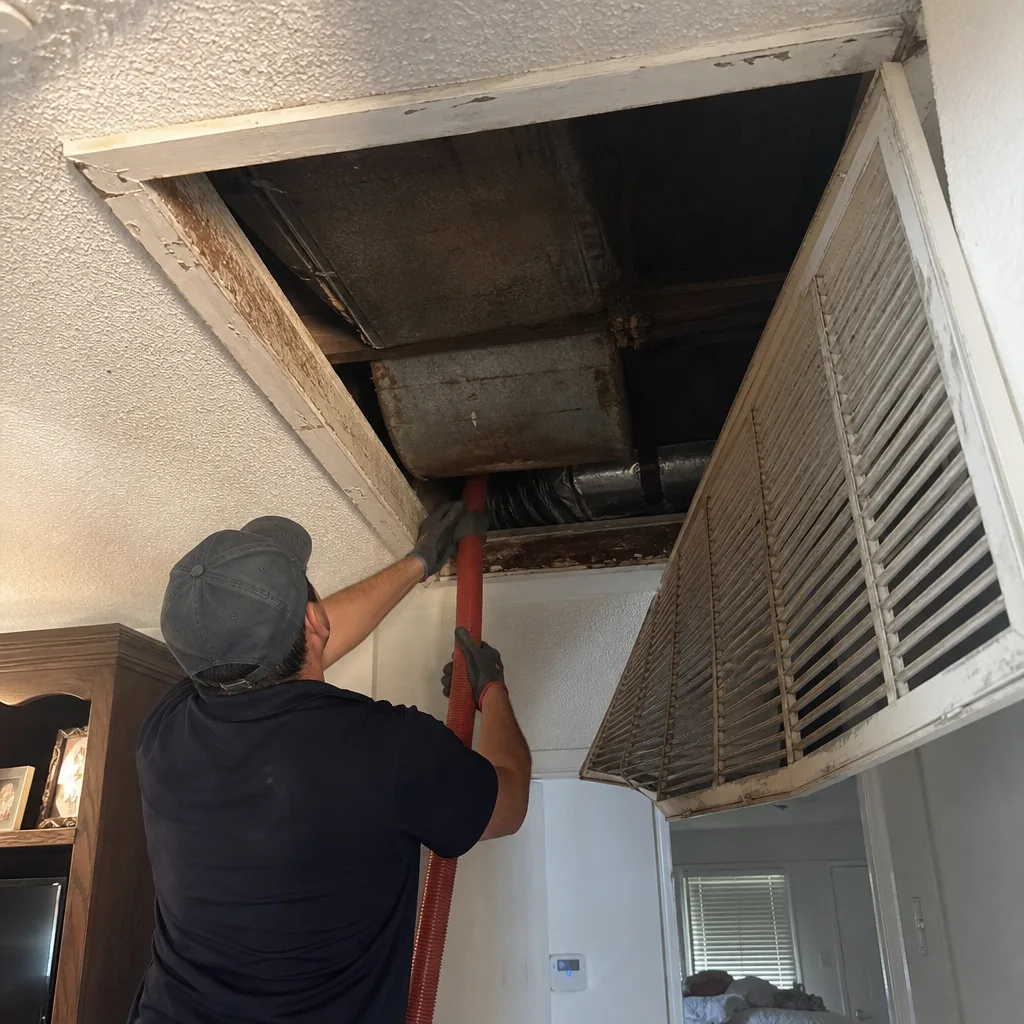 Before
 After
After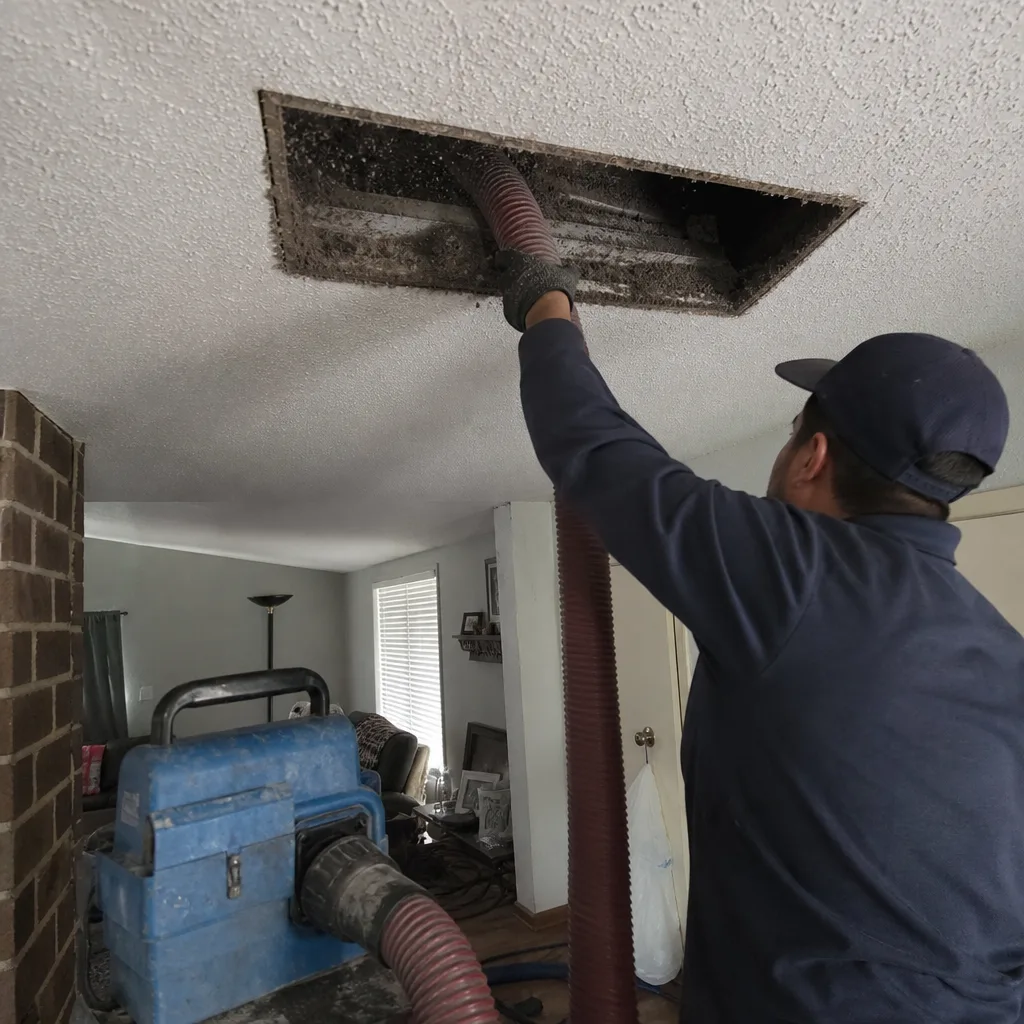 Before
 After
After