
Last updated October 15, 2026
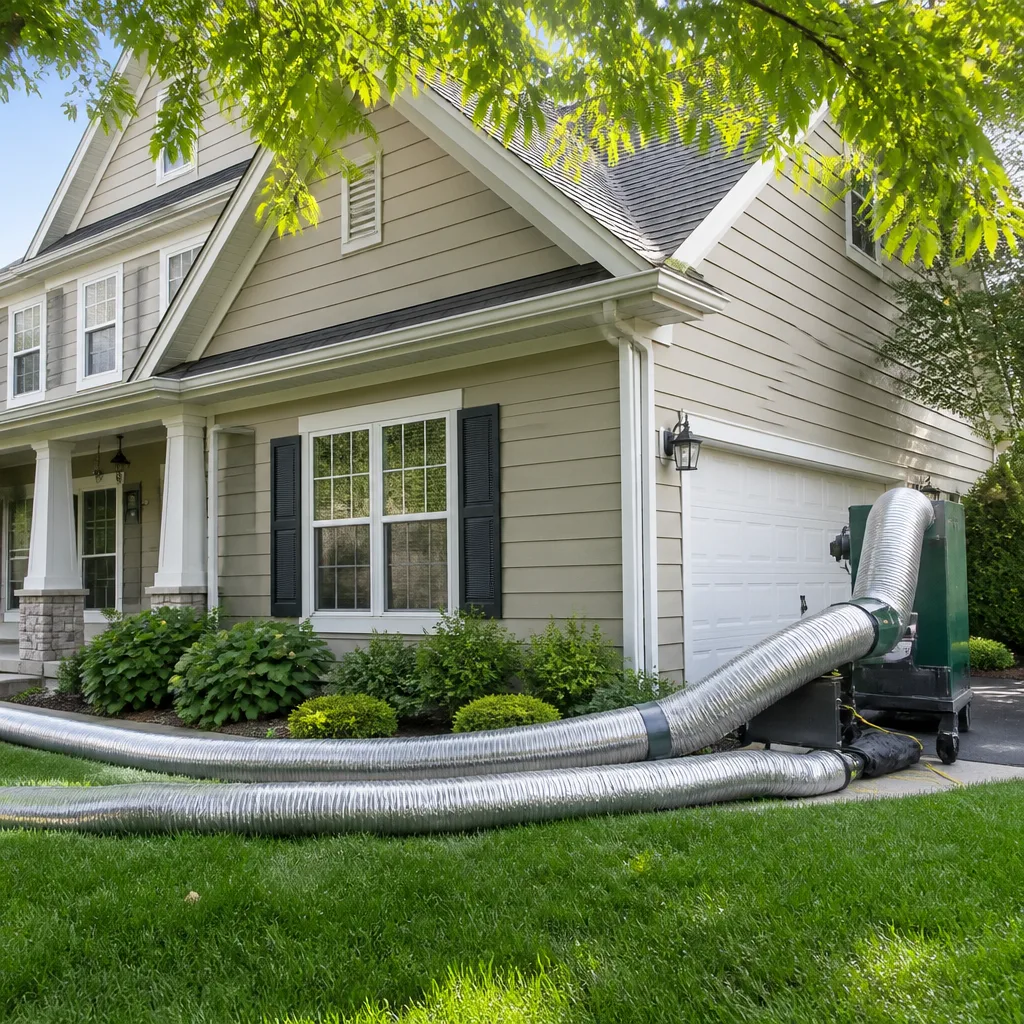 Whole-home duct cleaning
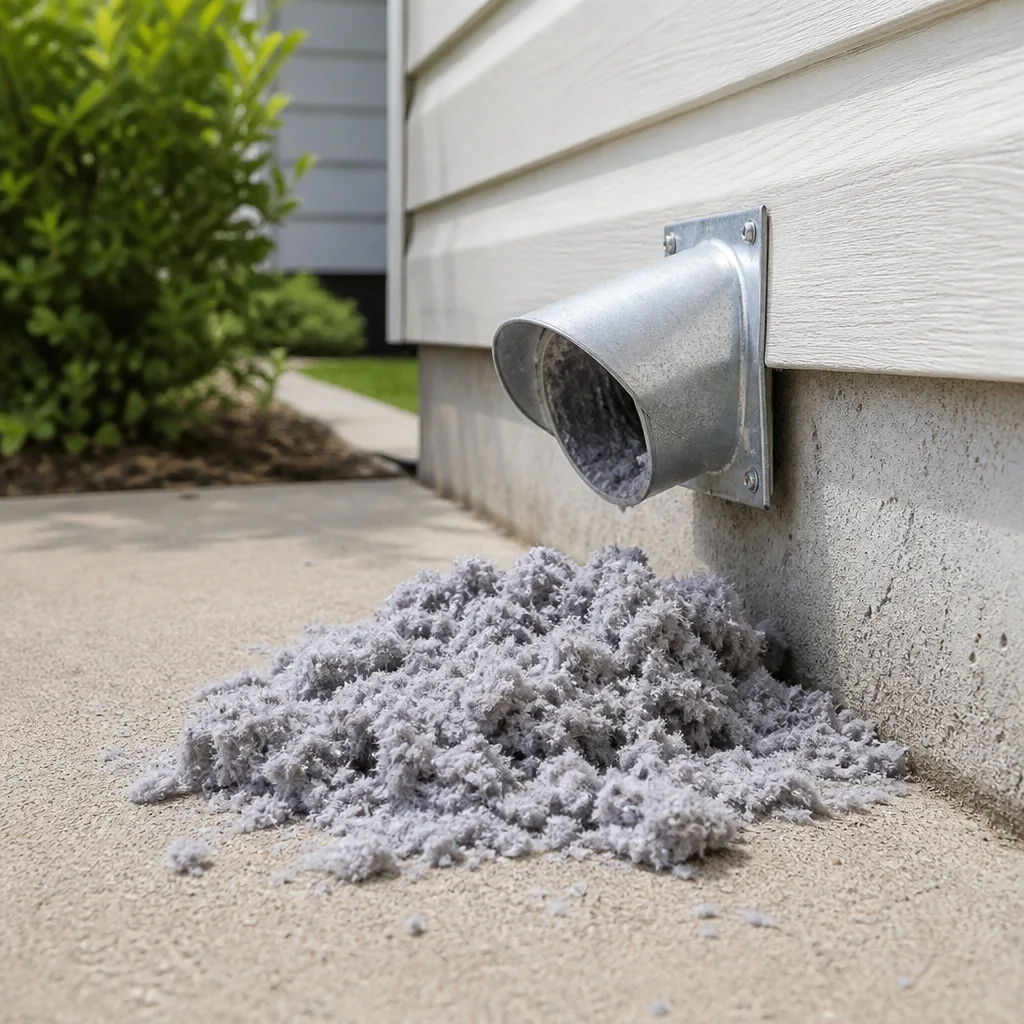 Dryer vent cleaning
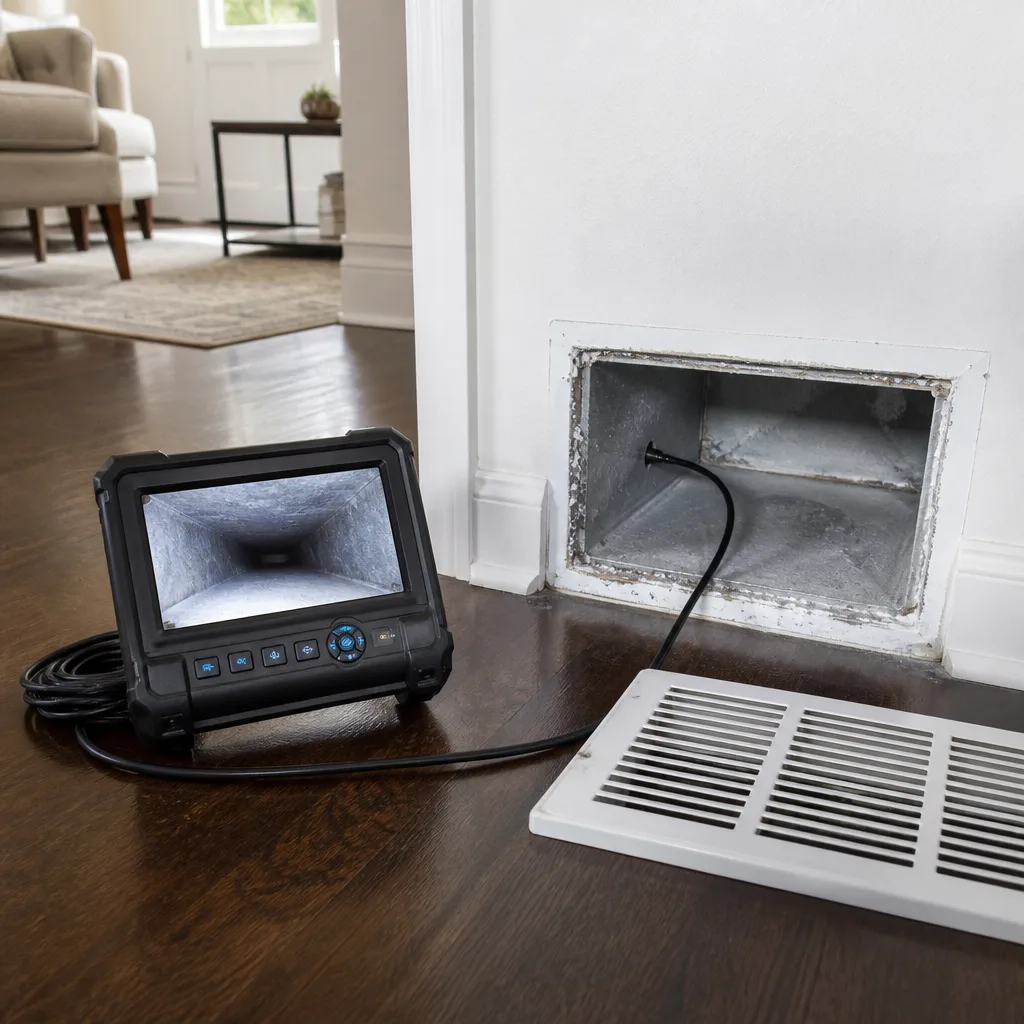 Camera inspection
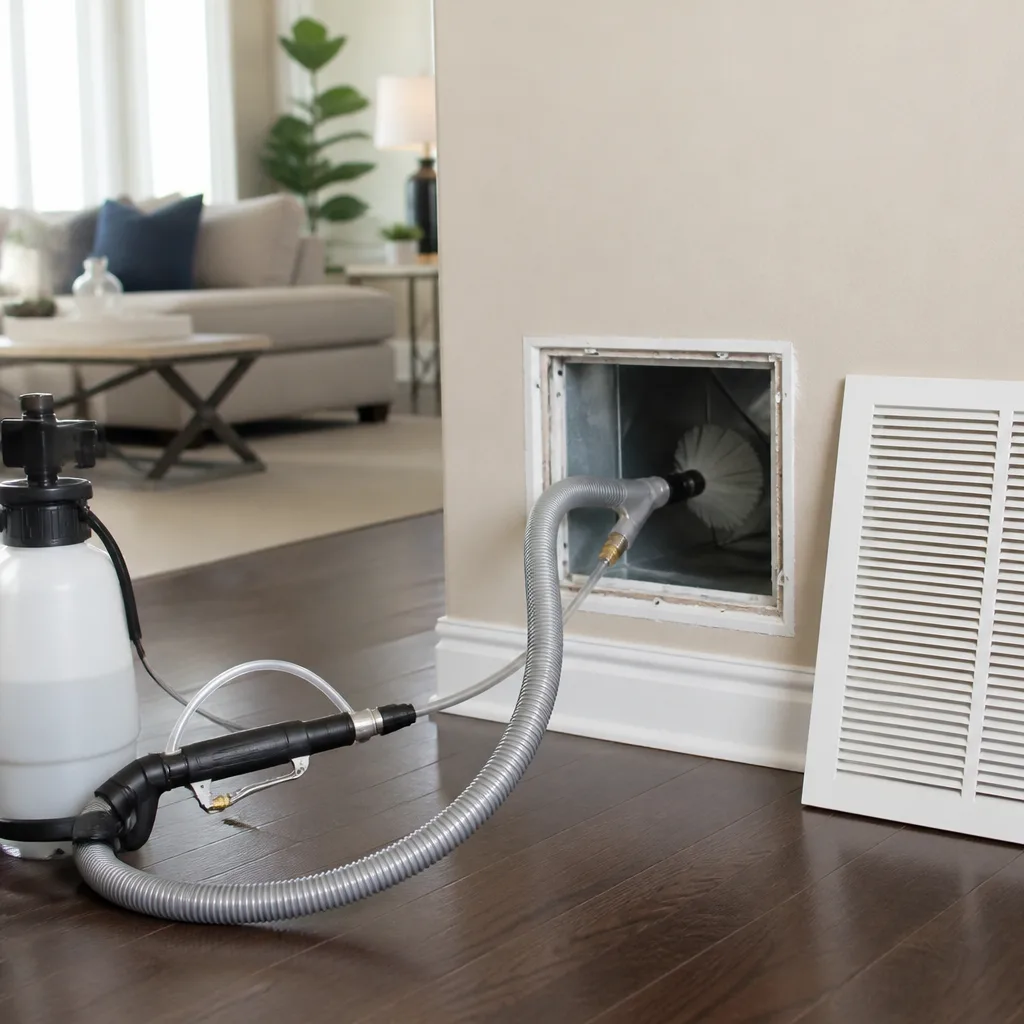 Sanitizing & deodorizing
Whole-system duct and dryer vent check with before-and-after photos - you see exactly what came out of your vents
That "$99 whole-house special" is a bait ad - the real number appears once they are in your hallway, or the "clean" is a shop-vac at the register. We photograph the inside of your ducts before and after instead.
Air Duct Cleaning Permits, Codes & Inspections in TX: What You Need to Know
Most homeowners are surprised to learn that air duct cleaning in Texas sits almost entirely outside the licensed trades framework. There is no state permit for cleaning ducts. There is no license required to run a vacuum through a return vent. But the moment a cleaning reveals a crushed duct, a disconnected plenum, or mold growing along the trunk line, the job crosses into a different legal category, and the rules change fast. This guide draws the exact line between cleaning and work that triggers permits, code requirements, and inspections in Fort Worth and across Texas.
Styles & brands we work with
Quick Answer
Routine air duct cleaning does not require a permit or a state-issued HVAC license in Texas. However, any work that involves modifying, replacing, or reconnecting ductwork, replacing a plenum, or performing mold remediation does trigger TDLR licensing rules, local Fort Worth building permits, and Texas Department of Licensing and Regulation mold protocols. Knowing where cleaning ends and regulated work begins is what protects your home, your family, and your future resale disclosure.
Table of Contents
- Where Texas Draws the Line: Cleaning vs. Permitted Work
- TDLR HVAC Licensing: When It Applies to Duct Work
- Fort Worth Building Permits and HVAC Inspections
- Texas Mold Assessment and Remediation Rules
- How to Verify a Contractor’s TDLR License Before Work Begins
- Documenting Cleaning and Repair Work for a Future Home Sale
- Common Mistakes to Avoid
- When to Call a Professional
- Frequently Asked Questions
- The Bottom Line
At Air Duct Cleaning in Fort Worth, we walk through this distinction on nearly every estimate call. Homeowners want to know two things: what the work will cost, and whether it will come back to haunt them at closing. The second question is the one most companies never answer honestly.
Where Texas Draws the Line: Cleaning vs. Permitted Work
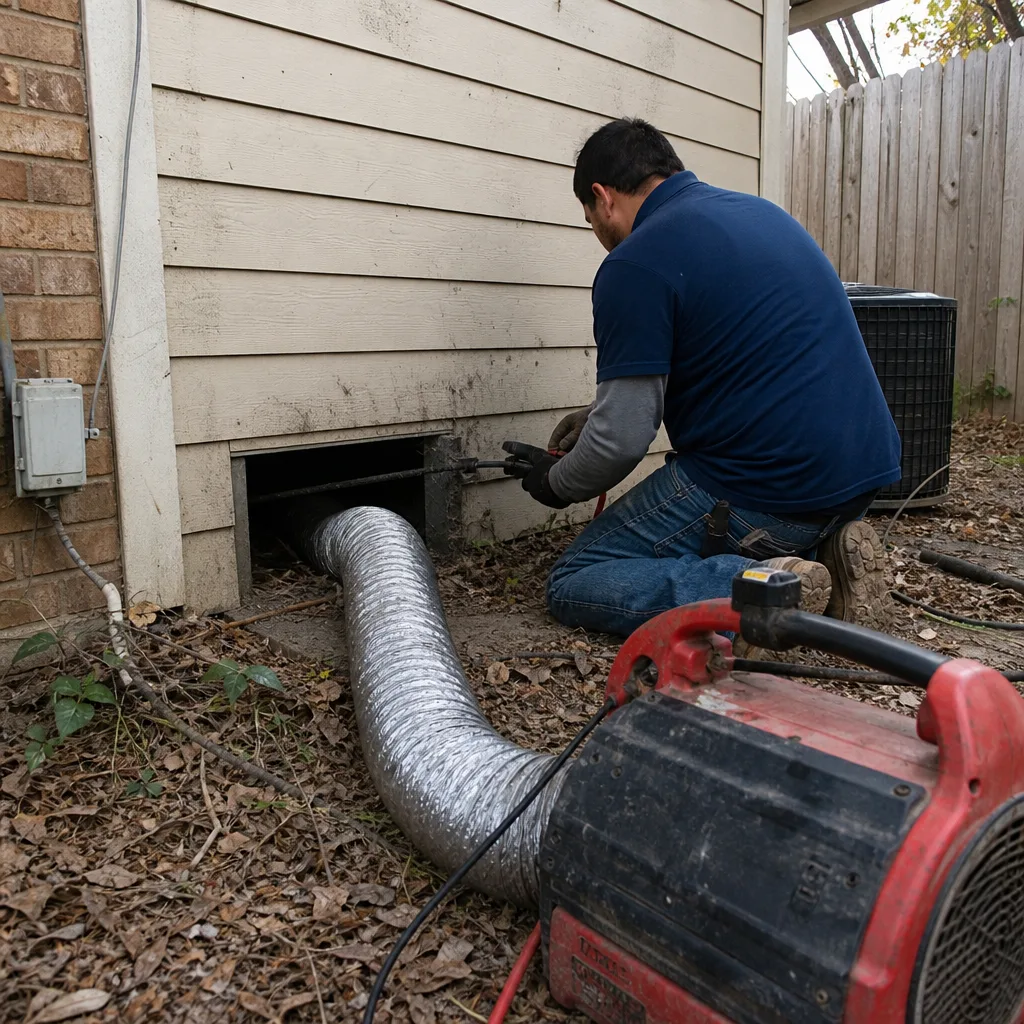
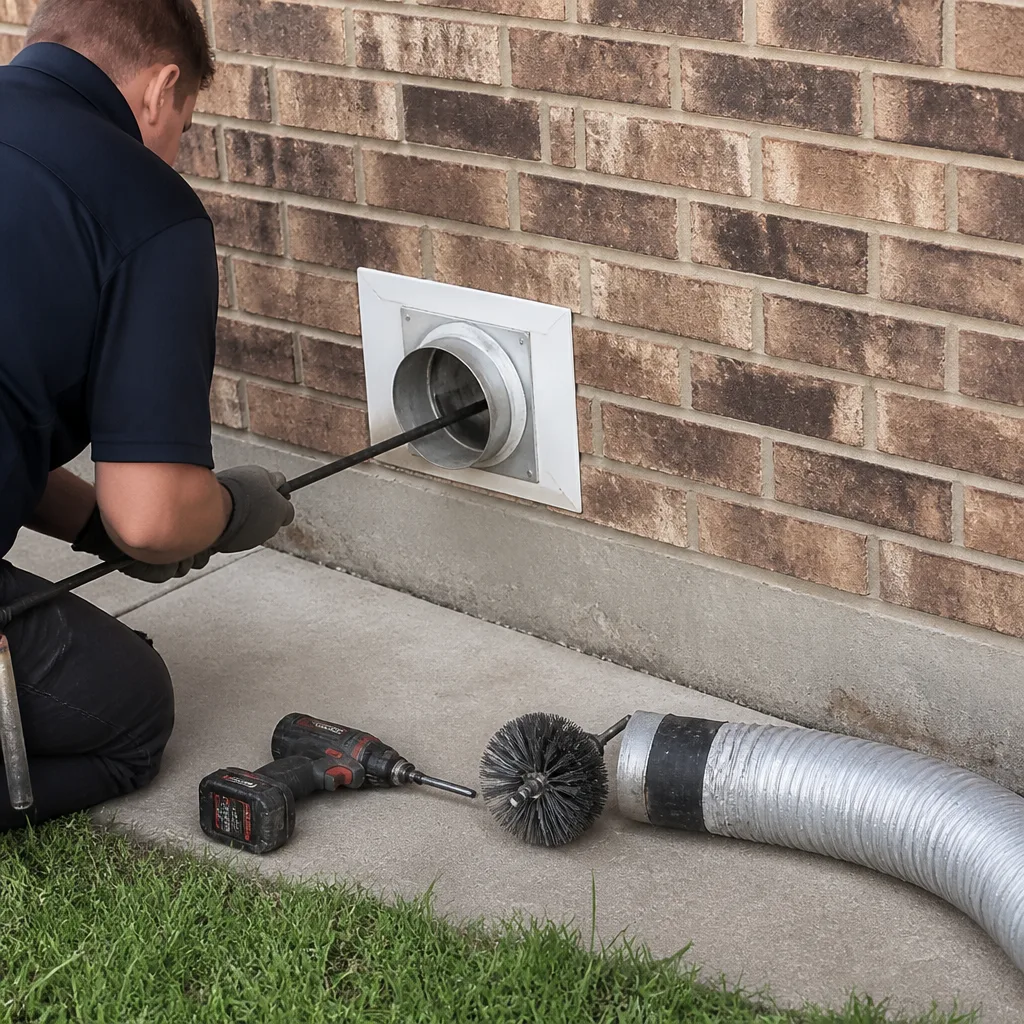
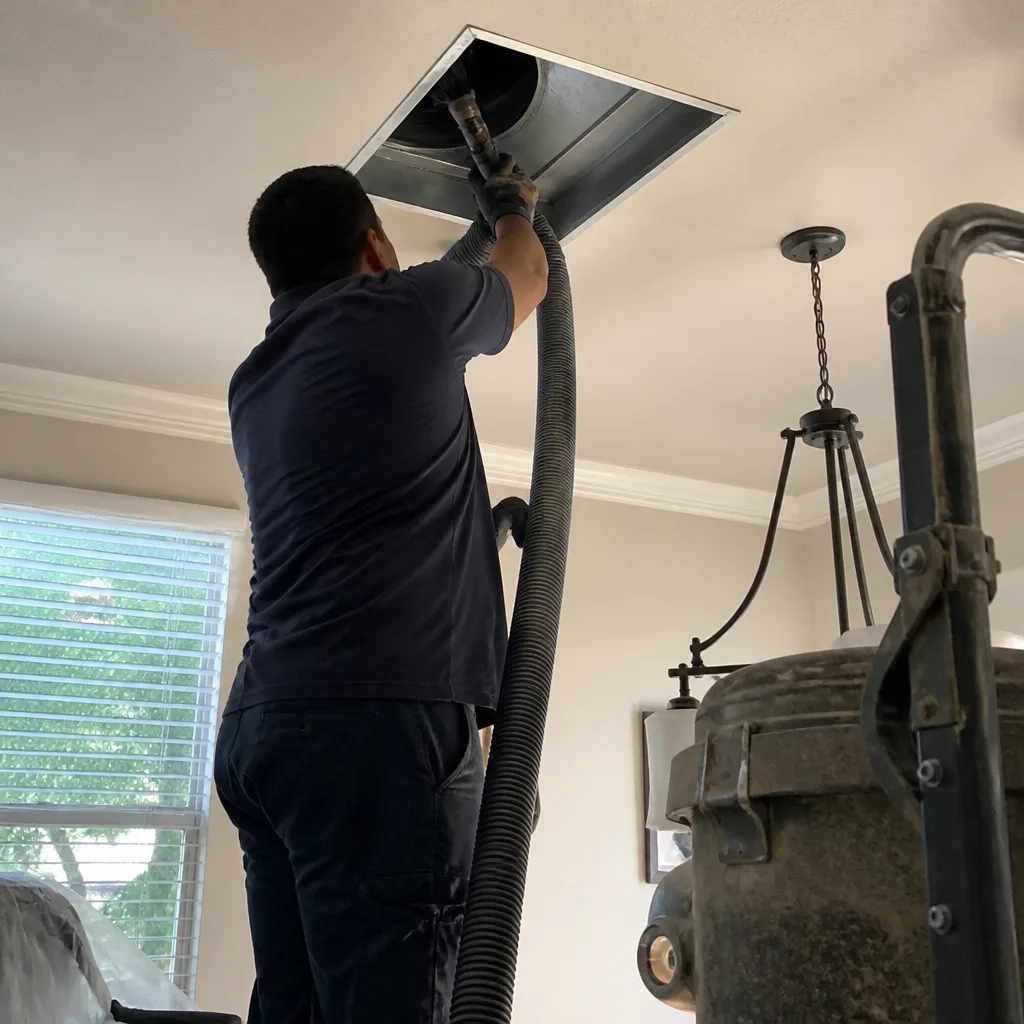
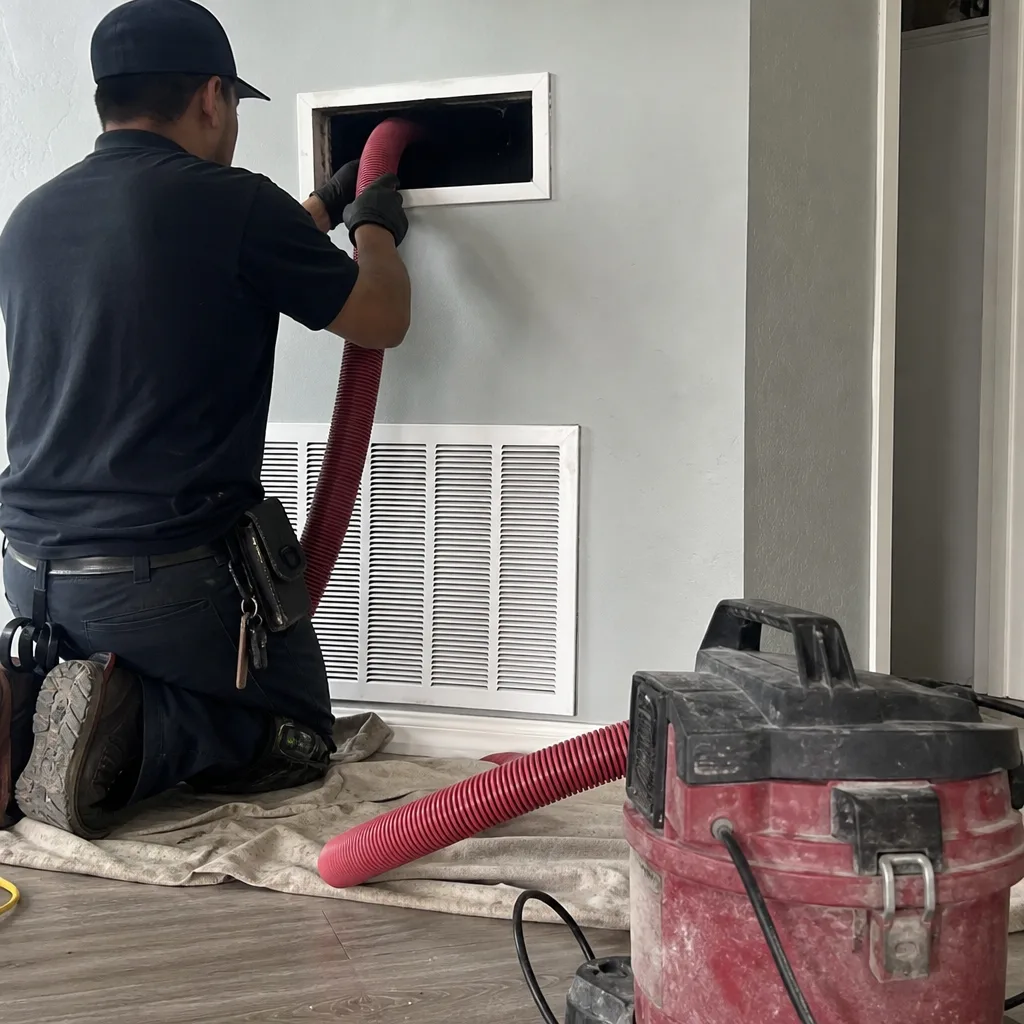
The legal distinction in Texas comes down to one question: does the work change the duct system, or does it simply clean what is already there? Cleaning uses negative air pressure, rotary brushes, and agitation tools to remove dust, debris, and pet dander from the interior surfaces of existing ducts. Nothing is disconnected from the HVAC system. Nothing is replaced. Nothing is modified. Because the system remains exactly as it was installed, no permit is required and no TDLR HVAC contractor license is triggered.
But in Fort Worth, as in every Texas city, the moment a technician needs to cut into a duct, remove a section of trunk line, replace a register boot, rebuild a plenum, or reconnect a duct that has separated, that work falls under the state’s HVAC licensing statute. The Texas Occupations Code Chapter 1302 requires any person performing air conditioning and heating repair or installation to hold a TDLR-issued contractor or technician license. Duct modification is repair work. It is no longer cleaning.
Here is the practical breakdown we use when explaining this to families:
- Cleaning only: vacuuming return and supply ducts, brushing interior surfaces, cleaning registers and grilles. No permit. No license required.
- Cleaning plus minor reattachment: clipping a flex duct back onto a boot. This is a gray zone, but most Texas municipalities and TDLR consider it repair work if the duct was disconnected and requires reconnection to the system.
- Replacement or modification: new duct runs, larger plenum, relocated registers, sealed trunk line. Permit required in Fort Worth. Licensed TDLR contractor required.
- Mold remediation: any visible mold growth discovered during cleaning. Separate licensing under Texas mold rules. Cleaning around mold is not remediation.
The line matters because homeowners who let an unlicensed cleaning company perform duct repairs often discover the problem only when they sell the house. A home inspector flags the unpermitted modification. The buyer requests documentation. The seller has none. The deal stalls or the price drops.
TDLR HVAC Licensing: When It Applies to Duct Work
The Texas Department of Licensing and Regulation issues two relevant license types for HVAC work: the air conditioning and heating contractor license and the certified technician registration. A contractor license authorizes a business to advertise, bid, and contract for HVAC work. A technician registration authorizes the individual doing the hands-on work. Both are required when the job involves any repair or modification to a duct system.
Routine air duct cleaning sits outside this requirement because it is classified as maintenance, not repair. TDLR does not license duct cleaners. The department has no inspection program for cleaning work. The equipment used, whether a Rotobrush machine or a Nikro negative air system, does not change the legal classification of the service.
What changes the classification is the work order. If a Fort Worth homeowner calls for duct cleaning and the technician says, “your return plenum is collapsed and needs to be rebuilt,” that plenum rebuild is HVAC work. It requires a TDLR contractor license. The cleaning portion of the same visit remains unlicensed work. One visit can legally contain both regulated and unregulated activity, which is why Texas homeowners need to understand who is authorized to do what.
Fort Worth has its own enforcement overlay. The city’s Planning and Development Department requires mechanical permits for any new duct installation, duct replacement, or plenum modification. A TDLR license alone does not authorize someone to pull a Fort Worth permit. The licensed contractor must apply for the permit with the city, complete the work, and schedule an inspection. Work done without the city inspection is unpermitted, even if the contractor holds a valid state license.
In our experience as a Fort Worth duct cleaning company, the most common scenario is a cleaning visit that uncovers a pre-existing problem: a crushed flex duct in a Northside attic, a disconnected return in a Wedgwood crawl space, a rusted plenum in a Ryan Place home built in the 1940s. The homeowner did not plan for repair work. They planned for a cleaning. When the issue appears, the responsible next step is a licensed HVAC contractor and a city permit, not a quick fix from an unlicensed crew.
Fort Worth Building Permits and HVAC Inspections
Fort Worth operates its own mechanical permitting program through the Development Services Department. Any alteration to a forced-air system that goes beyond routine service triggers the permit requirement. This includes duct replacement, duct extension, plenum modification, and whole-system replacements. The city issues a mechanical permit, sets an inspection appointment, and sends an inspector to verify the work meets the adopted codes.
Texas uses the International Mechanical Code and the International Residential Code as its baseline, with local amendments. Fort Worth has adopted these codes with city-specific provisions. For a homeowner, the practical effect is simple: if a contractor cuts into your ductwork and rebuilds part of the system without pulling a Fort Worth permit, the city has no record of the work. The contractor’s insurance may deny a claim arising from that work. Your homeowner’s policy may do the same.
What triggers a Fort Worth mechanical permit:
- Replacing more than a single register boot
- Rebuilding or replacing a supply or return plenum
- Installing new duct runs, even short ones
- Modifying the trunk line to add or remove a branch
- Replacing an entire duct system
- Any work that changes the airflow design of the original installation
What does not trigger a permit:
- Vacuuming and brushing the interior of existing ducts
- Cleaning registers and grilles
- Replacing a standard air filter
- Cleaning the evaporator coil in place
- Sanitizing duct interiors with EPA-registered products where no structural change occurs
The permit process itself is straightforward. The licensed contractor files the application, pays the permit fee based on the job’s valuation, posts the permit at the work site, and schedules an inspection when the work is complete. The inspector verifies that the duct sizing, connections, and materials meet code. A passed inspection produces a record that exists in the city’s system permanently. That record is what a future buyer’s agent will look for.
For families considering a full duct replacement during a larger renovation, the Fort Worth permitting process adds roughly a week to the timeline. That delay protects the homeowner. We have watched too many homeowners in areas like Arlington Heights and Mistletoe Heights discover unpermitted duct work during a pre-listing inspection and have to pay double: once to fix the work, and again to pull the permit retroactively.
Texas Mold Assessment and Remediation Rules
Texas is one of the few states with a dedicated mold licensing statute. The Texas Mold Assessors and Remediators Licensing Act, administered by TDLR, regulates any person performing mold assessment or mold remediation for compensation. The act draws a hard line: you cannot clean around mold and call it duct cleaning. If visible mold growth exists inside a duct system, the work requires a licensed mold remediation contractor.
Here is what the law actually requires:
- Mold assessment: a licensed mold assessment consultant or technician inspects the property, identifies the extent of the mold growth, and writes a remediation protocol. The assessor cannot also be the remediator on the same project. This separation prevents a conflict of interest.
- Mold remediation: a licensed mold remediation contractor follows the protocol, removes or cleans the affected materials, and documents the process. The remediation company cannot also be the assessor for that job.
- Clearance testing: after remediation, a licensed mold assessment company performs post-remediation verification. Only when the clearance passes does the property return to normal use.
Duct cleaning technicians in Fort Worth are not licensed to perform mold remediation. They are not licensed to assess mold. If a technician finds visible mold during a cleaning, the correct response is to stop, document the finding, and refer the homeowner to a licensed mold professional. A company that offers to “kill the mold” with a fogging treatment during a standard cleaning is offering a service outside the legal framework.
This matters for Fort Worth homeowners because of our climate. North Texas humidity from May through September creates conditions where mold can establish in duct systems, particularly in homes where the AC runs constantly and condensation forms on the inside of insulated ducts. A family in a Benbrook home with high interior humidity might schedule a duct cleaning, only to learn the real issue is mold growth requiring a licensed remediation company and a completely different scope of work. Knowing this before you call saves time and money.
When we use professional-grade equipment from brands like Rotobrush and Nikro, our technicians are trained to recognize the early signs of microbial growth. What we do with that finding is just as important as what we do with the dust: we document it, we explain what it means, and we point the homeowner toward the licensed professionals who can legally address it. That is the Cedarwell Care Promise in practice, honesty about the work itself.
How to Verify a Contractor’s TDLR License Before Work Begins
Verifying a Texas HVAC contractor’s license takes about three minutes. The TDLR website maintains a public license search tool. Every licensed contractor has a unique license number that appears on their vehicles, advertisements, and contracts. If someone cannot produce a TDLR number when the job involves duct repair or modification, do not let them start the work.
Step-by-step verification:
- Ask the contractor for their TDLR license number. A licensed company will have it printed on the estimate and on the side of the work truck.
- Go to the TDLR license search page on the department’s website. Enter the number.
- Confirm the license type is “Air Conditioning and Heating Contractor” and that the status is active.
- Confirm the technician assigned to your job holds a current technician registration under that contractor.
- Ask the contractor to confirm they will pull the Fort Worth mechanical permit before any duct modification begins.
- If the contractor hesitates on any of these steps, pause the project and call another company.
The complaint process matters too. If you discover that a contractor performed unpermitted duct work in Fort Worth, you can file a complaint with TDLR online or by phone. The department investigates unlicensed activity and can issue administrative penalties. Separately, the Fort Worth Development Services Department accepts complaints about unpermitted mechanical work. Both processes take time, but they create a paper trail that helps if the work fails later.
One practical note: a duct cleaning company that does not hold a TDLR HVAC contractor license is not breaking the law by cleaning ducts. The law simply does not require a license for that service. What would break the law is that same company performing repairs. Many Fort Worth duct cleaning companies are exactly what they claim to be: cleaning companies with good equipment and trained technicians. The problem is the ones that quietly cross into repair work without a license, hoping the homeowner never asks the right questions.
Documenting Cleaning and Repair Work for a Future Home Sale
Texas home sellers are required to complete a Seller’s Disclosure Notice. The form includes a section on whether any repairs, modifications, or improvements have been made to the property, and whether any work was done without required permits. The wording is specific: if you know about unpermitted work, you must disclose it. If you do not disclose it and the buyer discovers it after closing, you can be sued.
Documentation protects you in both directions. If all you had was a routine duct cleaning, keep the invoice. It proves the service was maintenance, not modification. If you had duct repairs done, keep the Fort Worth permit, the inspection result, the contractor’s TDLR license number, and the paid invoice. Together, these documents answer every question a buyer or inspector will ask.
What to keep for cleaning-only visits:
- The company invoice showing the scope of work as “cleaning” or “maintenance”
- Before and after photos of the ducts, registers, and plenum
- Any equipment brand documentation, which shows professional-grade tools were used
What to keep for repair or modification work:
- The Fort Worth mechanical permit number
- The city inspection report showing the work passed
- The contractor’s TDLR license number
- The itemized invoice separating repair work from any cleaning performed
- Photos of the work at each stage
At Mortons Air Duct Fort Worth home, we provide before and after photos of every job as a standard part of our process. A photo of the clean-up before the crew leaves is part of our routine, not an add-on. Those photos matter when a buyer asks, “was this duct system ever cleaned or modified?” You have proof. You have a written price that matched the final invoice. You have no surprises to explain.
The documentation habit matters even more for Fort Worth homes built before the current code cycles. A home in Fairmount with original 1920s duct work will have a stack of prior repairs, some permitted and some unknown. When we clean systems in older homes, we often find evidence of past modifications: sheet metal patches, mismatched flex duct from a decades-old repair, register sizes that do not match the current design. None of that is our work. All of it becomes data for the homeowner to understand their system’s history before a sale.
Common Mistakes to Avoid
- Hiring a duct cleaner to repair a crushed duct. Duct repair is HVAC work. A cleaning company that does not hold a TDLR contractor license cannot legally perform it. If the problem is structural, hire a licensed HVAC contractor and pull the Fort Worth permit.
- Assuming a city inspection will catch an unpermitted modification. Fort Worth inspectors only review work they have a permit for. Unpermitted work sits invisible until a home inspector or a future buyer digs into the documentation.
- Ignoring a recommended mold referral. A technician who finds mold and recommends a licensed mold assessor is doing the right thing. A technician who offers to “treat” the mold with a fogger during a standard cleaning is offering a service outside their legal authority.
- Discarding the invoice after a cleaning. The invoice is your proof that the work was maintenance, not modification. Without it, a buyer’s inspector has reason to question what actually happened inside the system.
- Counting on a home warranty to cover unpermitted work. Most home warranty policies exclude damage caused by unpermitted or code-violating repairs. The uncovered cost lands on the seller, usually weeks before closing.
- Using duct cleaning as a substitute for duct repair. Cleaning removes contaminants; it does not fix leaks, crushed runs, or disconnected boots. If airflow is weak in one room of your Fort Worth house, the cause is more likely a structural duct problem than dust.
- Paying for permit work without seeing the permit. Any contractor can say they pulled a permit. Ask for the permit number. Verify it with Fort Worth’s online permit portal. Legitimate contractors expect the question.
When to Call a Professional
A routine duct cleaning requires no license and no permit in Texas. That does not mean it should be a casual purchase. The quality of the equipment, the thoroughness of the technician, and the honesty of the pricing all vary widely. A professional cleaning company uses HEPA-filtered negative air machines and rotary agitation tools from brands like Rotobrush and Nikro or industrial vacuum systems from Guardsman, with technicians who protect the home at every step: shoe covers and drop cloths on every visit, quiet tools during nap hours, pet-safe product choices where available.
When a cleaning reveals something structural, call a licensed professional immediately. Crushed duct runs, disconnected boots, visible mold, or a plenum that has separated from the air handler are not cleaning issues. Delaying the repair does not lower the cost; it makes the system work harder and shortens the life of the HVAC unit. Dryer Vent Cleaning in Fort Worth carries the same distinction: cleaning a dryer vent is maintenance, but replacing a damaged vent run is repair work that requires the same permitting consideration. Mortons Air Duct Fort Worth offers free estimates in Fort Worth. Call (682) 432-0424 to talk through what you are seeing before you commit to anything.
Frequently Asked Questions
No. Routine air duct cleaning does not require a permit or a TDLR HVAC license anywhere in Texas, including Fort Worth. The service is classified as maintenance because it does not modify, replace, or reconnect any part of the duct system. If the same visit includes duct repair, modification, or replacement, that portion of the work does require a permit and a licensed contractor. Call (682) 432-0424 to confirm whether your specific job falls into the cleaning or repair category.
None. Texas does not issue a duct cleaning license and TDLR does not regulate duct cleaning as a trade. The state only regulates HVAC work that involves installation, repair, or modification of the system. A professional duct cleaning company should still carry general liability insurance and train its technicians on the equipment it uses, but no state license applies to the cleaning itself.
Fort Worth requires a mechanical permit when duct work goes beyond routine maintenance: new duct runs, duct replacement, plenum modification, or any change to the system’s airflow design. The permit is pulled by a TDLR-licensed HVAC contractor through the Fort Worth Development Services Department, and an inspection is scheduled when the work is complete.
Only if the company holds a TDLR air conditioning and heating contractor license and pulls the required Fort Worth permit. Most duct cleaning companies do not hold that license because their service does not require it. When a licensed cleaning company finds a structural problem, the correct next step is a referral to a licensed HVAC contractor, not an on-the-spot repair.
Texas law requires mold assessment and remediation to be performed by separately licensed TDLR mold professionals. A duct cleaning technician is not licensed to assess or remediate mold. The technician should stop cleaning, document the finding, and recommend a licensed mold assessor. The assessor writes a protocol, a licensed remediation contractor performs the work, and a separate clearance test confirms the mold is resolved.
Keep the company invoice that describes the scope of work as cleaning or maintenance, along with before and after photos of the ducts and registers. At Mortons Air Duct Fort Worth, every job includes a written price before work starts and a photo of the clean-up before the crew leaves, so families have exactly what they need for a future disclosure.
The Bottom Line
Air duct cleaning in Texas is legal without a permit, without a state license, and without city inspection. That is a fact. It is also a fact that the moment the job involves duct repair, replacement, mold remediation, or any structural change to the system, the work enters a regulated category with real consequences for the homeowner who skips the rules. The difference between the two categories is knowable, verifiable, and worth understanding before you hire anyone. In Fort Worth, that knowledge protects your home today and your closing table tomorrow.
Written by Paul Adeyemi, Owner at Mortons Air Duct Fort Worth, serving Fort Worth since 2005.
See the difference
 Before
 After
After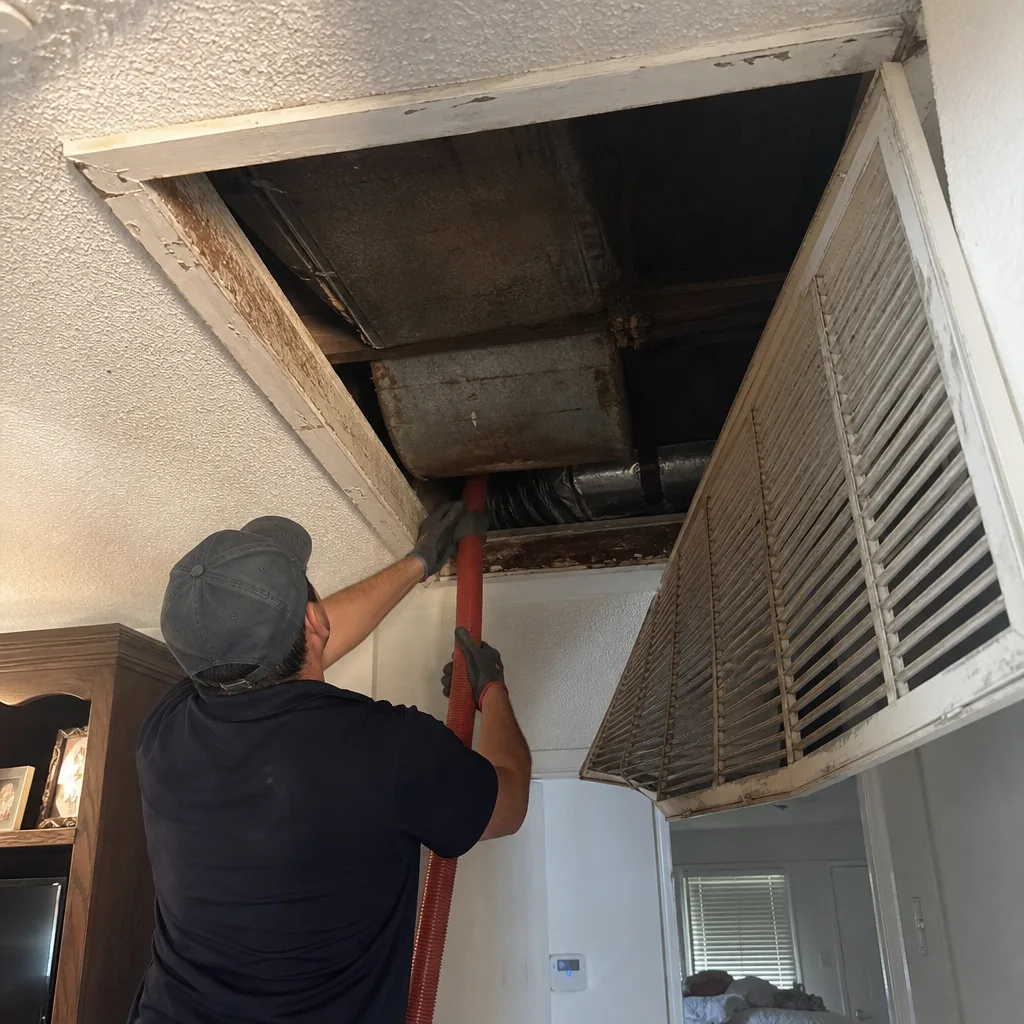 Before
 After
After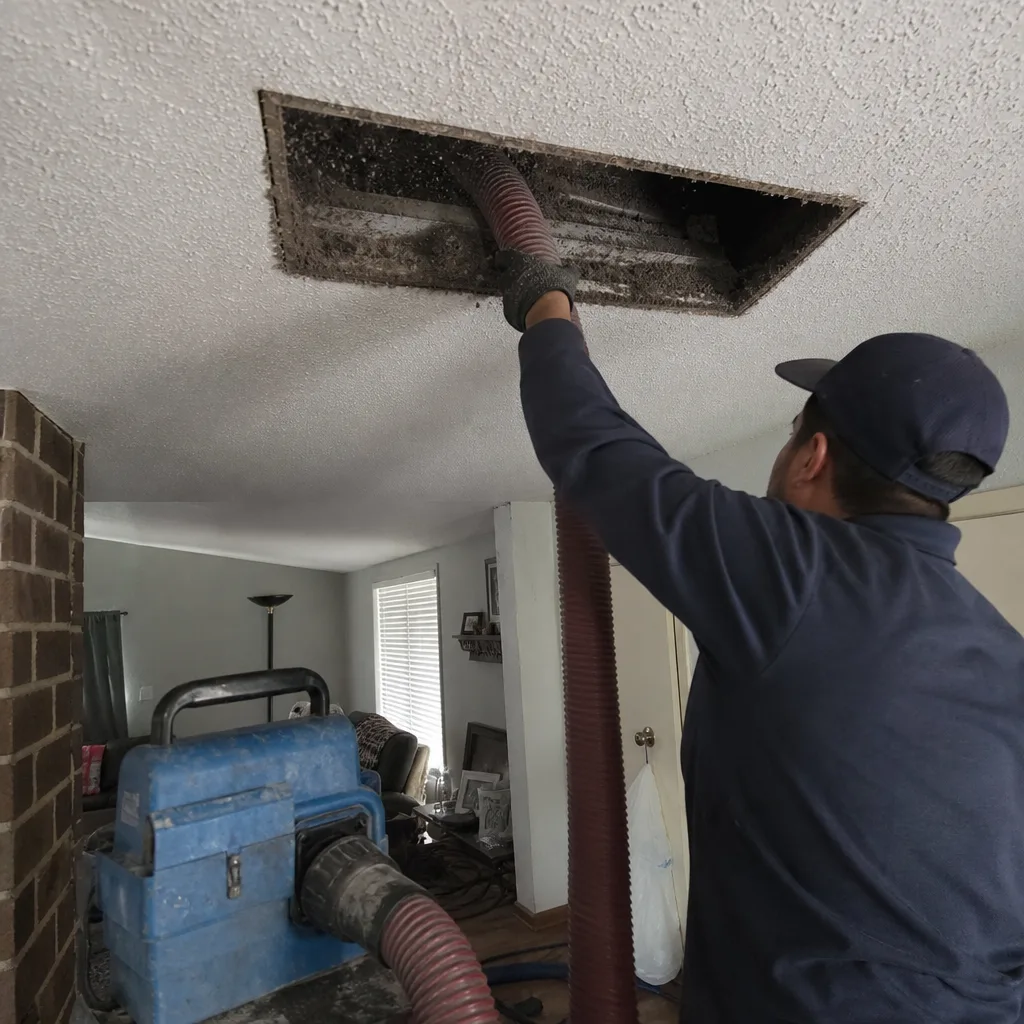 Before
 After
After